
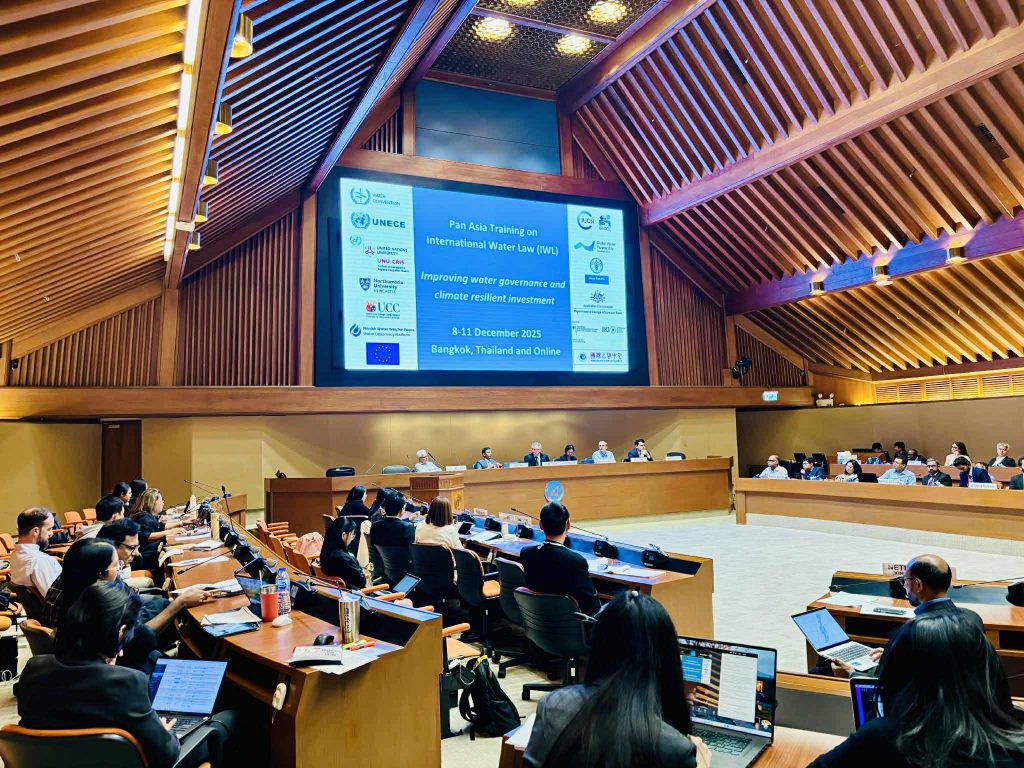
Against the backdrop of intensifying climate change impacts, growing water demands, and increasing development pressures on shared rivers, lakes, and aquifers, UNECE recently convened the inaugural Pan-Asia Training on International Water Law (IWL): Improving water governance and climate-resilient investment in Bangkok, and online
The event brought together over 100 participants, including government officials, river basin organisations, practitioners, academics, civil society and development partners from across Asia to exchange lessons learned and deepen understanding of international water law and transboundary water governance.
Discussions focused not only on legal principles but also on the real-world challenges of implementing cooperation agreements across diverse political, institutional, and hydrological contexts.
Across Central, Eastern, Southern and South-Eastern Asia, 25 of the region’s 30 countries share transboundary water resources. Despite progress in international water law over recent decades, cooperation frameworks remain uneven.
Reporting under Sustainable Development Goal (SDG) indicator 6.5.2 shows that only a limited number of Asian countries have comprehensive agreements and institutional mechanisms covering most of their shared waters. The training responded directly to this challenge by strengthening practical knowledge, legal capacity and regional exchanges, according to the organisers.
Delivering the keynote address, Busadee Santipitaks, Chief Executive Officer of the Mekong River Commission (MRC), underscored the critical importance of cooperation amid accelerating climate uncertainty.
“I certainly appreciate the importance of this training.” She noted that when it comes to IWL agreements, “there is not a ‘one-size-fits-all’ approach, but drawing on similar experiences and shared knowledge can help us to improve a better understanding amongst international legal experts and practitioners”.
Ms. Santipitaks also highlighted various aspects of the Mekong experience as evidence that sustained dialogue, institutional mechanisms and a shared legal platform and rules can support trust-building, risk reduction and resilience in transboundary basins.
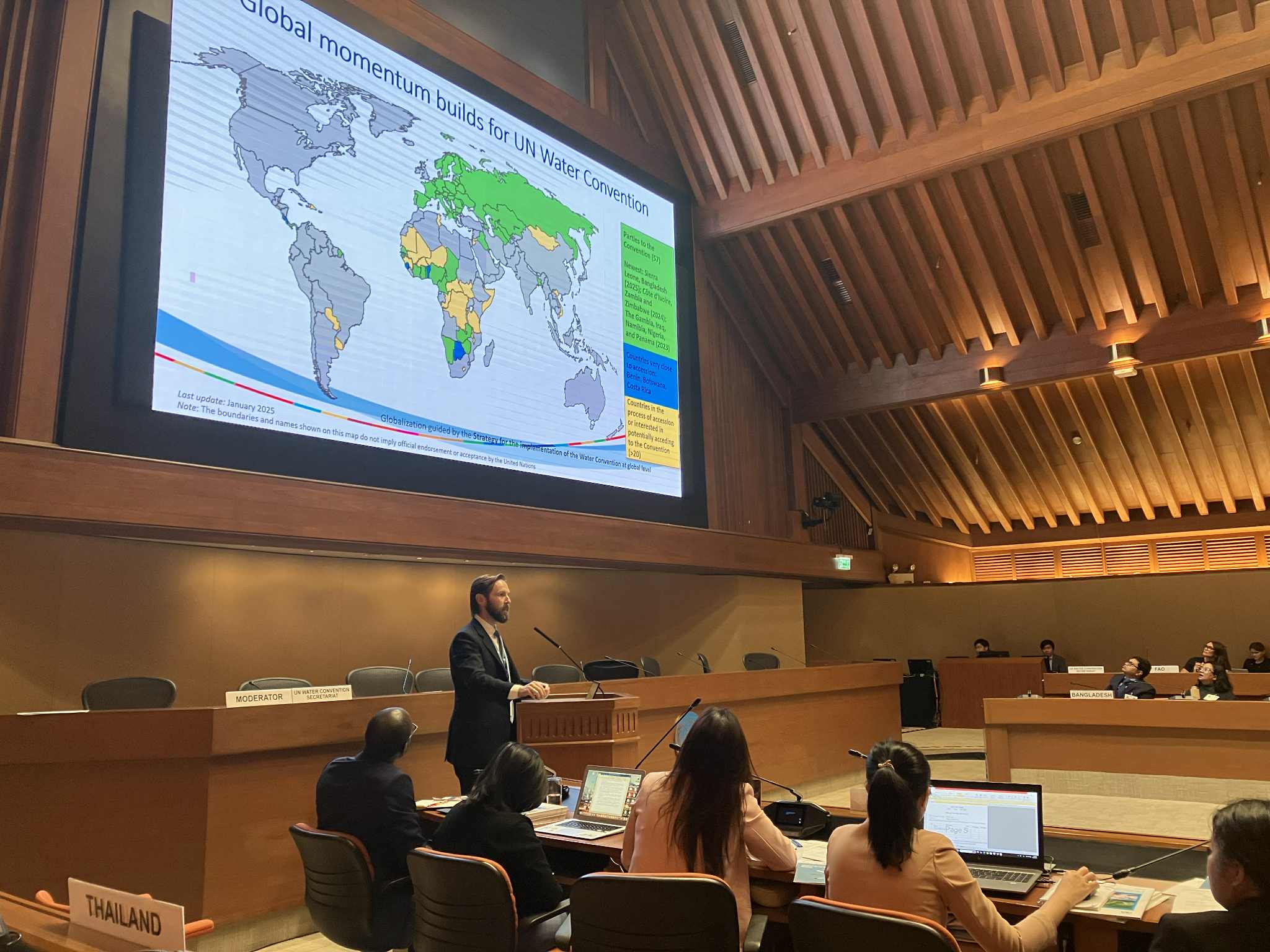
Sonja Koeppel, Secretary of the UN Water Convention, emphasised that this Pan-Asian training was “the first of its kind held in Asia and specifically tailored for an Asian audience”. She highlighted how this “offered a unique opportunity for participants to deepen their knowledge and understanding of not only regional practices, but also of the 2 UN Water Conventions, highlighting their relevance and application in Asia and beyond.”
Syeda Rizwana Hasan, Advisor at the Ministry of Water Resources and the Ministry of Environment, Forest and Climate Change of Bangladesh, called on other countries across South Asia and the continent to engage with the community of practice and Parties under the Convention, and ideally become a Party to enjoy its full benefits.
This comes after Bangladesh is the most recent Party from Asia to accede to the Water Convention and the first country from South Asia having joined in June 2026.
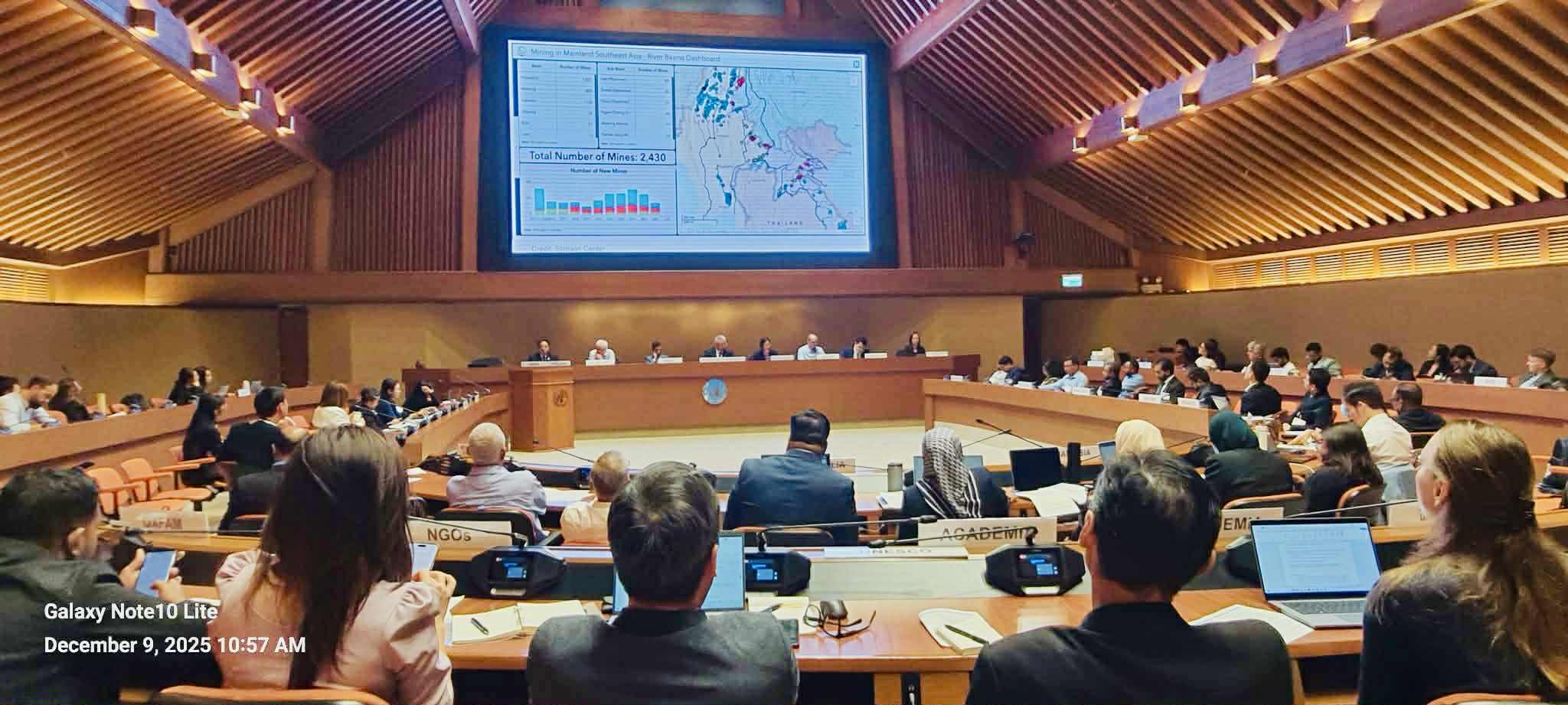
The 4-day training
The training combined expert lectures, practitioner-led projects/studies and interactive negotiation simulation exercises. Particular emphasis was placed on the application of the two UN global water conventions, negotiation and implementation of agreements, water allocation, climate-resilient investment, and inclusive governance approaches that strengthen public participation, gender equality and youth engagement.
Key focus areas included:
- Practices and trends in sub-regions of Asia; 2 UN Global Water Conventions; core elements of, and tools for, agreement design.
- Substantive and procedural laws; implementation, such as data-sharing, joint monitoring, notification and establishing institutional arrangements.
- National reporting on SDG 6.5.2: how cooperative legal and institutional frameworks help unlock financing on climate-resilient water investments.
- Public participation, gender equality, and youth engagement in IWL, and the creation of stronger, more inclusive, durable, and investment-ready agreements.
As part of the training and to ensure dynamic interactions and practical learning, the participants were provided with several opportunities for focused project and sub-regional discussions and peer-to-peer group work facilitated by international water law experts, specifically:
- Facilitated group work on agreement negotiations with a hypothetical transboundary basin scenario and related international water treaty drafting and negotiations.
- Basin/Sub-regional focus sessions on current and upcoming transboundary water projects in Asia, on addressing targeted questions and seeking specific technical assistance from international water law experts.
- SDG Focus Session – Sustainable Development Goal Indicator 6.5.2 focused on preparations for the 4th Reporting Cycle and links to SDG Indicator 6.5.1 on IWRM.
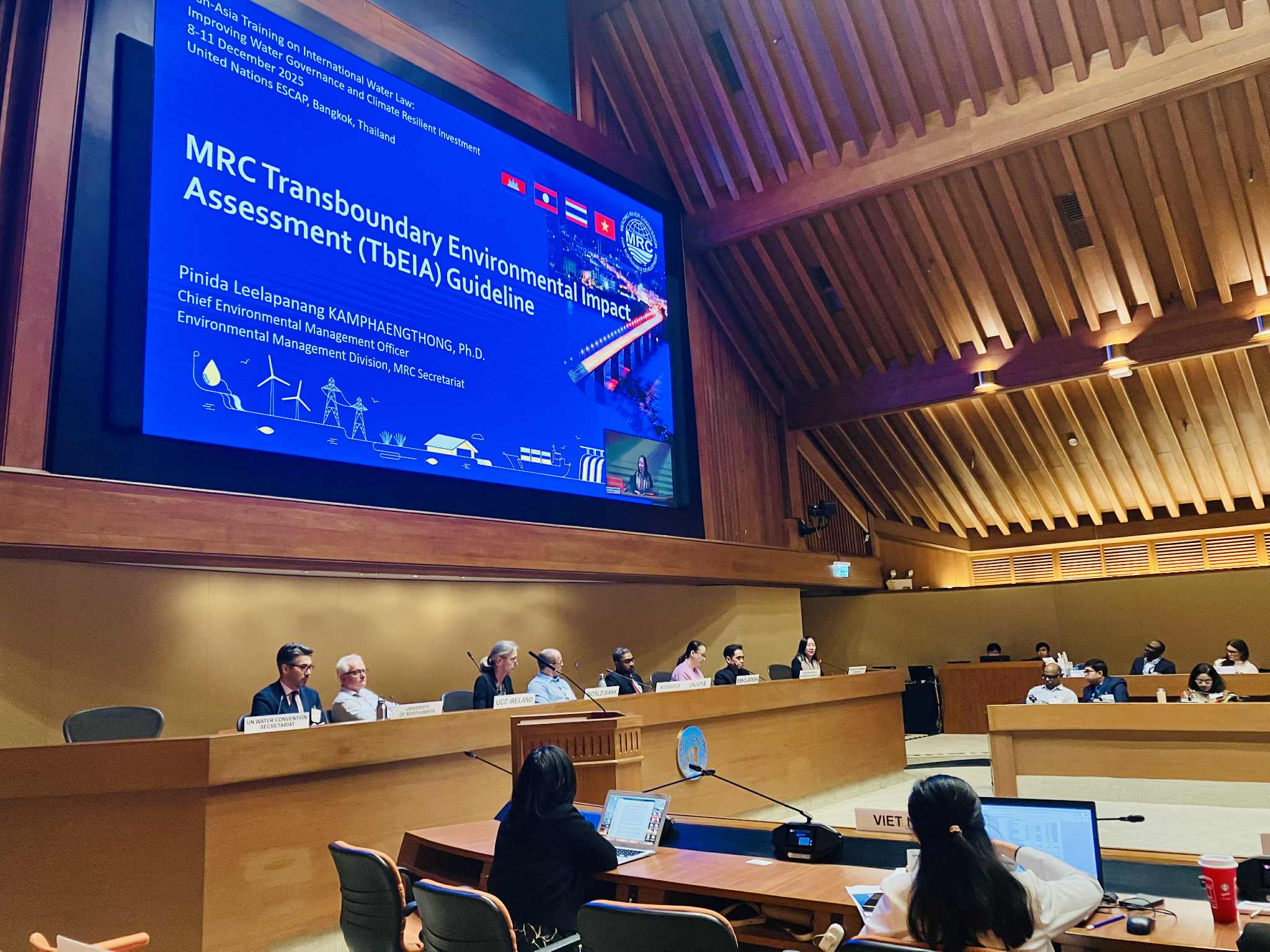
Key takeaways
Overall takeaways and key messages from the training included:
- Urgent need to develop, strengthen, and, where appropriate, modernise transboundary water agreements in Asia to better reflect and adapt to increasing climate variability and extreme events.
- Practical value of the two UN global water conventions (1992 UN Water Convention and 1997 UN Watercourses Convention) as a “package approach” supporting flexible frameworks for cooperation across diverse basin contexts.
- Importance of linking legal and institutional arrangements with sound science, monitoring and data-sharing and funding and investment planning for transboundary water cooperation in basins.
- The role of water allocation, WEFE (water–energy–food–ecosystems) nexus approaches, and climate-resilient finance in reducing conflict risks and supporting sustainable development.
- Need for inclusive governance, including meaningful public participation, gender mainstreaming and youth engagement, to ensure effective and durable cooperation and ensure agreements serve local ecosystems and populations.
According to the organisers, the Pan-Asia Training on International Water Law was built on previous initiatives and drew lessons from successful international water law trainings led by the UN Water Convention Secretariat and partners, at the global level and at continental scale, such as trainings in Africa over many years.
By fostering peer-to-peer learning and long-term professional networks, the training aimed to strengthen regional capacity for cooperation over shared waters.
“The training marks an important step toward stronger, more coordinated and more climate-resilient transboundary water governance across Asia,” said the organisers.
In addition, the upcoming Global Workshop on Developing, Revising, and Revitalising Agreements or Other Arrangements for Transboundary Water Cooperation, organised by the UN Water Convention and partners in Budapest, Hungary, on 30-31 March 2026, will be an opportunity to bring the above takeaway messages from across Asia to the global level for further peer-to-peer learning, exchanges and troubleshooting.
The training was organised by the UN Water Convention, in partnership with University of Northumbria, UNU-CRIS, IUCN BRIDGE, Global Water Partnership (GWP) Southeast Asia, FAO ROAP and University College Cork Ireland, with financial and in-kind support from the European Union and the Governments of the Netherlands, Finland, Germany (BMUV/IKI) and Australia, among others.
Source: UNECE

Indie • in-depth online news agency
to “bridge the gap” and “connect the dots” with critical and constructive minds on development and environmental policies in Thailand and the Mekong region; to deliver meaningful messages and create the big picture critical to public understanding and decision-making, thus truly being the public’s critical voice