
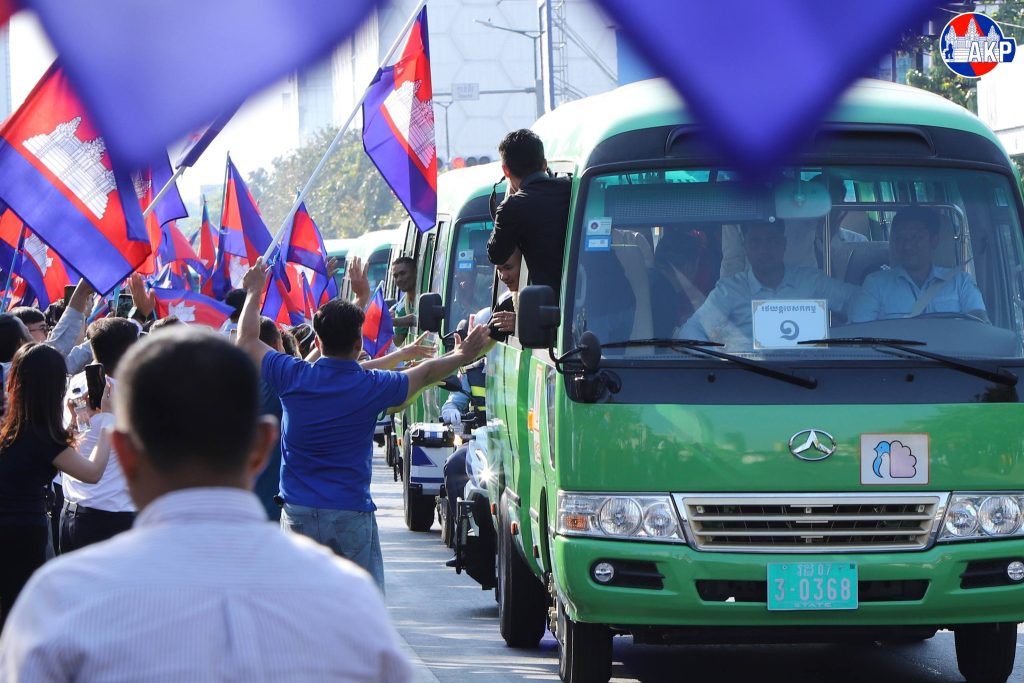
Thailand has repatriated 18 Cambodian soldiers following the end of the ceasefire monitoring and observation period for 72 hours in the latest round of border clashes
Thailand’s Ministry of Foreign Affairs has confirmed the repatriation of 18 Cambodian soldiers captured and detained since the first round of border clashes in late July, saying they were returned home at around 10 am today after the 72-hour ceasefire monitoring for the latest round of border clashes ended at noon yesterday.
The repatriation was carried out in accordance with the Third Geneva Convention related to the Treatment of Prisoners of War. The International Committee of the Red Cross (ICRC) and the ASEAN Observer Team (AOT) were also present to observe the repatriation, the ministry said.
The soldiers have undergone a medical examination and have been duly informed of their rights to ensure a voluntary, safe, and dignified return. The ICRC has also informed the families of these soldiers about their return, the ministry added.
The ministry further said this latest development aligns with the agreed condition set out in the latest Joint Statement between Thailand and Cambodia, signed at the 3rd Special General Border Committee meeting on December 27 to cease their military clashes, which had reignited since December 7. (Read: Conflicting accounts over renewed ceasefire between Thailand and Cambodia emerge after phone call talks with U.S. President Trump)
Under paragraph 11 of the Joint Statement, it is stated that the 18 Cambodian soldiers will be returned to Cambodia after the ceasefire has been fully maintained for 72 hours. The release is also in the spirit of the Joint Declaration between Thailand and Cambodia signed on October 26 in Kuala Lumpur, the ministry noted.
The ministry stressed that since their detention, the Thai authorities have treated these 18 Cambodian soldiers in accordance with international humanitarian law and principles, including the 1949 Geneva Conventions as well as the rules and practices of the International Committee of the Red Cross (ICRC).
The ICRC itself was permitted to visit these soldiers regularly and facilitated the exchange of correspondence with their families, the ministry noted.
“The repatriation of the 18 Cambodian soldiers was undertaken as a demonstration of goodwill and confidence-building, as well as in adherence to international humanitarian principles. Thailand hopes that Cambodia will reciprocate this goodwill through its concrete actions to promote sustained peace between the two countries,” the ministry stated in a statement released today.
The resumed ceasefire
Since last week, concerned parties have attempted to de-escalate conflict and tensions between Thailand and Cambodia, which had reignited since December 7 and caused greater fatalities and casualties on both sides.
On December 22, Thailand’s and Cambodia’s Ministers attended the Special ASEAN Ministers’ Meeting in Kuala Lumpur, Malaysia, where the two sides agreed that the military authorities of both countries would hold discussions on a ceasefire arrangement.
The 3rd Special Meeting of the General Border Committee (GBC) between Thailand and Cambodia was then held at the Ban Pak Kard Border Checkpoint in Chanthaburi Province on December 27, where the Ministers of Defence of Thailand and Cambodia signed a Joint Statement to cease fire.
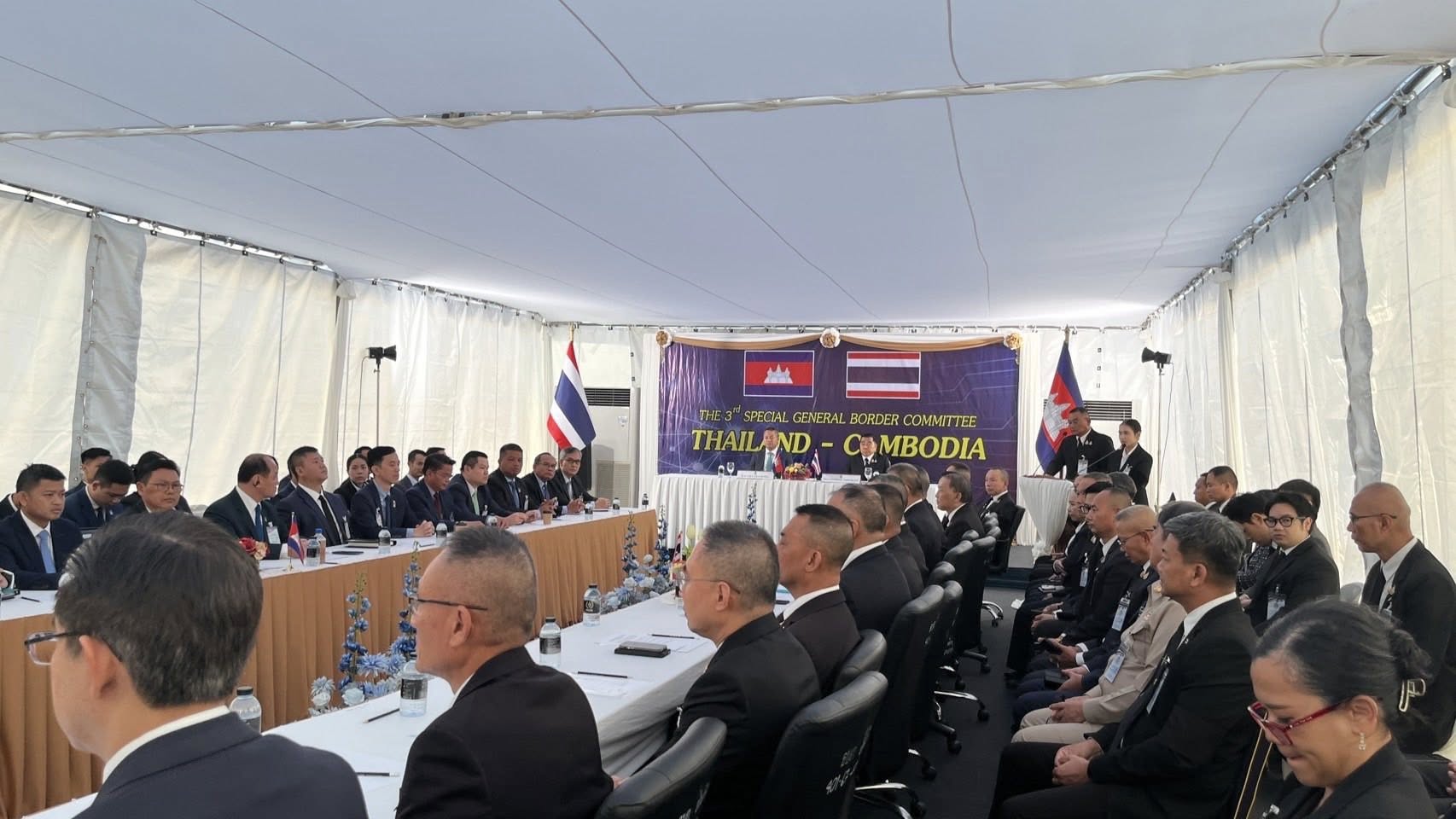
The key elements of the joint statement included a ceasefire effective December 27 at noon onwards and the monitoring and observation period over 72 hours; the maintenance of forces at their current positions; no movement or reinforcement of troops; refraining from provocative actions; cooperation on humanitarian demining efforts and the suppression of cybercrime; border survey and demarcation through the Thailand-Cambodia Joint Border Committee (JBC) mechanism; and the release of 18 detained Cambodian soldiers following the ceasefire.
The Joint Statement also emphasised mechanisms for monitoring the implementation of the measures, including an enhanced role for the ASEAN Observer Team (AOT) and the maintenance of direct channels of communication at the level of Ministers of Defence and military commanders of both sides, the ministry noted.
Briefing members of the diplomatic corps and representatives of international organisations accredited to Thailand yesterday, the ministry, led by Minister of Foreign Affairs H.E. Sihasak Phuangketkeow, further noted that Thailand’s security agencies on the ground have continued to detect Cambodian drones encroaching on Thailand’s sovereign airspace. This action constitutes a violation of Article 6 of the Joint Statement.
It stipulates that both parties must refrain from any provocative actions, including military operations that infringe on the other party’s airspace, territory, or positions.
Through communication between the Ministries of Defence of both sides, Cambodia’s Ministry of Defence has issued a notice prohibiting drone flights nationwide, particularly along the Thai-Cambodian border, the ministry said.
China’s presence
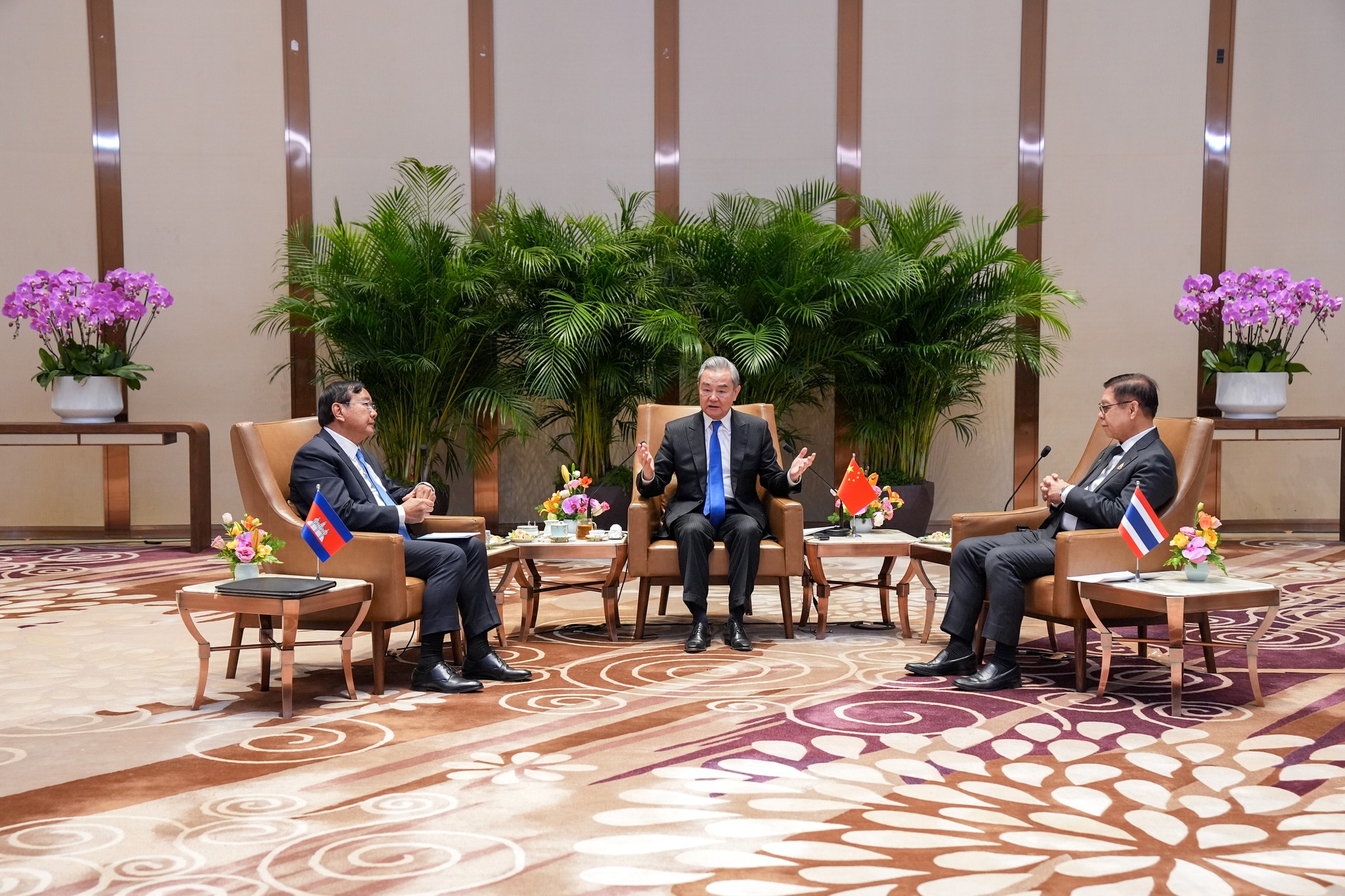
Following the GBC, Thailand’s and Cambodia’s Ministers of Foreign Affairs were invited by China to hold talks, which took place in Yunnan Province in southern China during December 28-29.
Thailand’s FA Minister, H.E. Sihasak Phuangketkeow, and Cambodia’s Deputy Prime Minister and Minister of Foreign Affairs, Prak Sokhonn, met with China’s Minister of Foreign Affairs, Wang Yi, and had bilateral and trilateral meetings with China’s Minister.
According to the ministry, the Thai side expressed appreciation in their bilateral meeting at China’s role and understanding in supporting peace between Thailand and Cambodia through the “Asian way.”
The Chinese side, in the meantime, welcomed the ceasefire agreement reached through bilateral negotiations, reiterated its respect for the principle of non-interference, and expressed readiness to provide a platform to support lasting peace between the two countries, the ministry said.
In the trilateral meeting, the three sides exchanged views on the latest developments following the ceasefire agreement, ways to consolidate an effective ceasefire and promote sustainable peace between the two countries, confidence-building measures, cooperation in combating transnational crime, and joint demining operations.
The ministry further said Thailand reiterated that any adjustment to bilateral relations should be made step by step. Thailand has consistently pursued peace and recognises the need to gradually build mutual trust and confidence between the two governments and peoples. Both sides will further discuss measures such as reducing confrontation, demining, removing heavy weapons, and suppressing scammers to ensure safety for people along the border, according to the ministry.
China, meanwhile, welcomed the ceasefire agreement reached through bilateral negotiations. Going forward with the implementation of the Joint Statement, China expressed its readiness to provide all necessary support to Cambodia and Thailand in advancing humanitarian de-mining through the Joint Coordinating Task Force and bilateral arrangements, and to provide substantive assistance for the ASEAN Observer Team (AOT) to ensure its effective functioning.
The Chinese side will maintain contact with the Cambodian and Thai sides to support the consolidation of the ceasefire, the ministry said, adding that it will do so when necessary and upon request from both Cambodia and Thailand. A press communique was then issued afterwards.
The next steps
The FA ministry said Thailand and Cambodia must strictly continue to respect and comply with the Joint Statement. The Joint Statement has set out a roadmap for both sides to implement “in a gradual, step-by-step” manner, including cooperation on humanitarian demining.
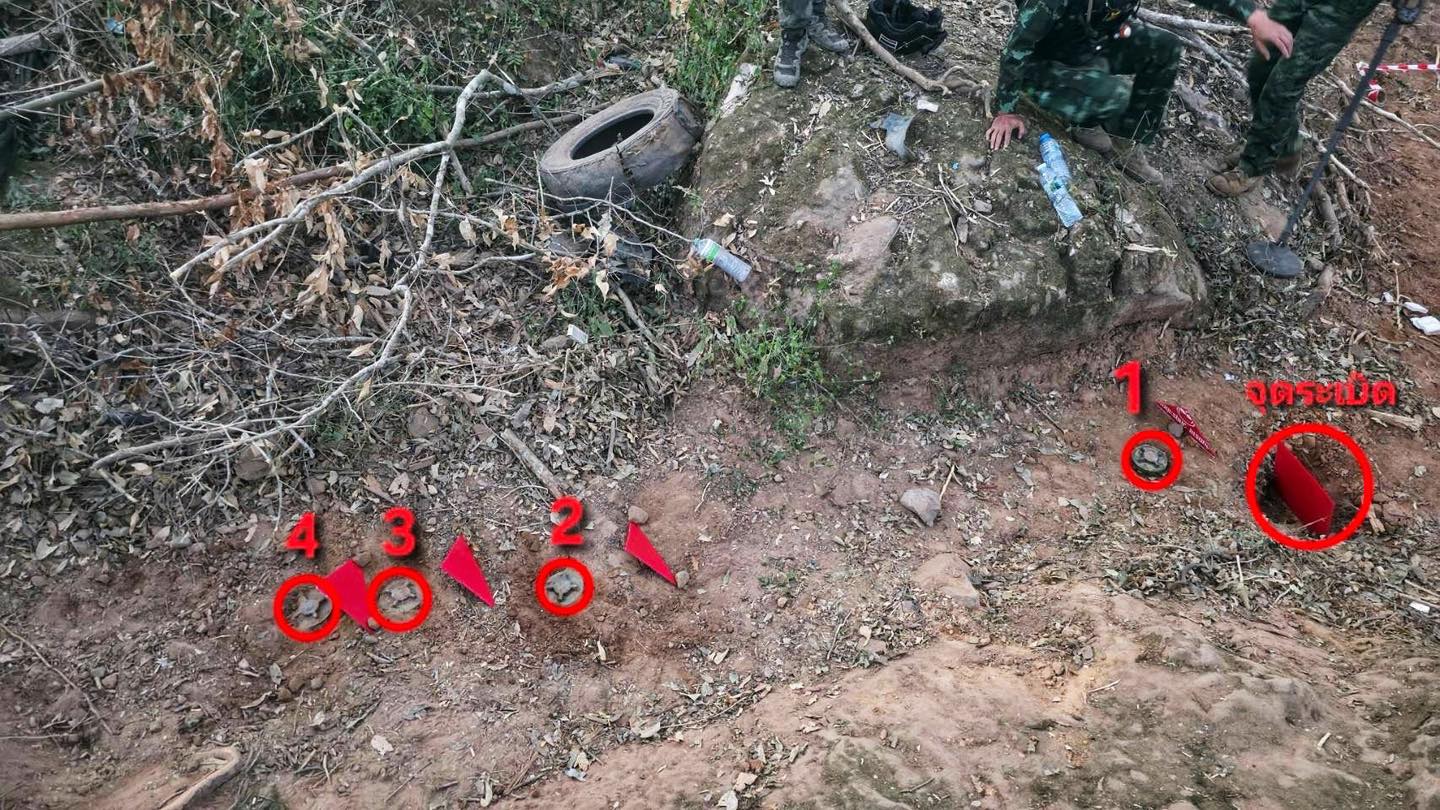
Concerning the landmine incidents resulting in serious injuries suffered by the Thai soldiers, both shortly before the signing of the Joint Statement and again two days after its signing, the ministry has already issued statements condemning such incidents.
Concerned officials are currently conducting a comprehensive investigation and collecting evidence of these incidents to ascertain the facts in accordance with the Joint Statement. Thailand has already sent letters of protest to Cambodia and will continue to pursue this matter to the fullest extent under the Ottawa Convention, the ministry said.
At the same time, a preliminary assessment indicates that a significant number of newly laid landmines remain in the area, particularly in the regions that came under Thai control before the signing of the Joint Statement.
“Rest assured that Thailand will always submit a formal protest whenever a landmine incident occurs, as a responsible State Party to the Ottawa Convention. This is standard practice and reflects Thailand’s official position, with legal and diplomatic effect. Such actions serve as important evidence within the international legal system, and are essential to safeguarding Thailand’s legitimacy, rights and sovereignty in the long term,” the ministry firmly stated.
At present, the ministry added, the utmost priority is to ensure that Thai people residing in shelters can return home safely, particularly on the eve of the New Year holiday. Security and administrative authorities are responsible for assessing the safety situation in the area to boost public confidence, the ministry said.

Indie • in-depth online news agency
to “bridge the gap” and “connect the dots” with critical and constructive minds on development and environmental policies in Thailand and the Mekong region; to deliver meaningful messages and create the big picture critical to public understanding and decision-making, thus truly being the public’s critical voice