
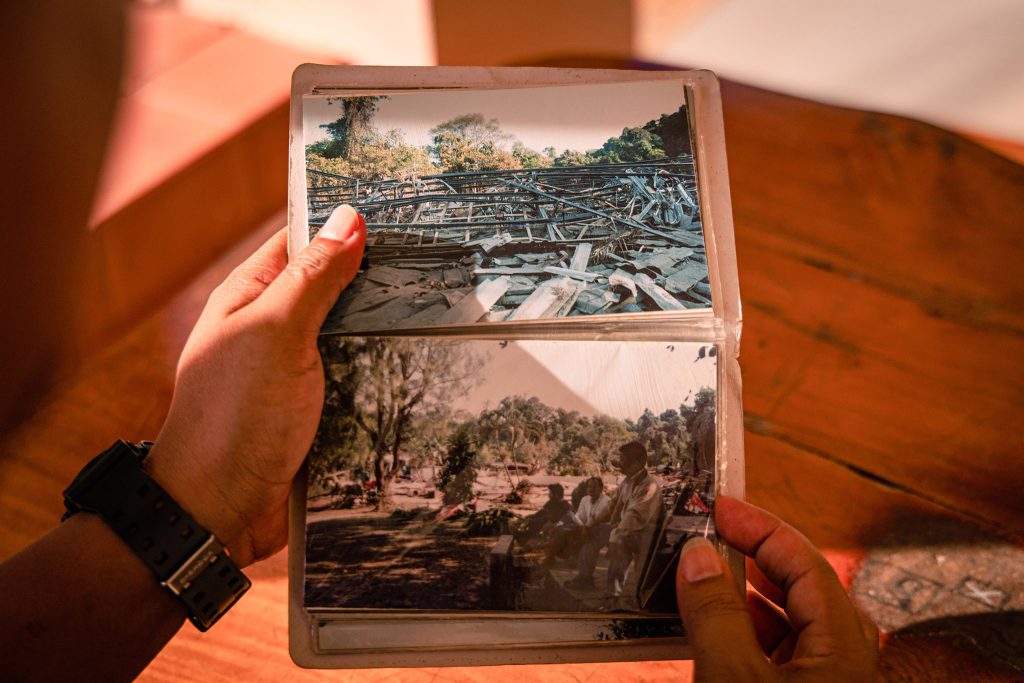
Twenty-one years ago, on the morning of December 26, 2004, 14 countries across the Indian Ocean, especially in South and Southeast Asia, experienced one of the most devastating disasters in decades, known globally as the “Indian Ocean Tsunami.”
The event was triggered by a massive 9.1-magnitude submarine earthquake along the Indian Ocean subduction zone off the coast of Sumatra, Indonesia. The quake originated more than 30 kilometres beneath the ocean floor. It triggered powerful tremors and a tsunami that killed more people than any other in recorded history, with 227,898 dead or missing in 14 countries across the Indian Ocean, according to UNESCO’s International Tsunami Information Centre.
The worst hit country was Indonesia with 167,540 listed as dead or missing and damages of US $4,451.6 million. The remaining fatalities occurred in Sri Lanka (35,322), India (16,269), Thailand (8,212), Somalia (289), Maldives (108), Malaysia (75), Myanmar (61), Tanzania (13), Bangladesh (2), Seychelles (2), South Africa (2), Yemen (2), and Kenya (1), according to the Center.
At the time, Thailand had no warning system, and very few people were aware of or understood this type of natural disaster.
The first sign of a tsunami observed by survivors was an unusual, rapid drop in sea level before the waves formed and rose into a massive wall of water that struck without warning. In Thailand, six provinces along the Andaman coast, namely Ranong, Trang, Satun, Phuket, Krabi, and Phang Nga, were heavily affected. These areas, well known to both Thai and international tourists, were hit directly by the tsunami waves.
The waves that reached Thailand averaged 5-6 meters in height. The disaster resulted in 5,395 confirmed deaths, with estimates rising to 8,212 when including 2,817 missing persons. Another 8,457 people were injured, and more than 7,000 were left without homes. Phang Nga Province suffered the most severe damage, particularly in areas such as Bang Sak Beach, Khao Lak, and Ban Nam Khem, according to the Than Lok (Keeping up with the World) program by Thai PBS.
The event introduced many residents to the term “tsunami” for the first time. In the years that followed, Thailand began to develop knowledge and preventive measures to mitigate the impact of future disasters. Communities and schools in high-risk areas also started conducting evacuation drills and providing tsunami education to students and residents. These efforts grew directly from lessons learned and past losses.
“Prach Sawangphong,” a teacher at Rajaprajanugroh 35 School in Takua Pa District, Phang Nga Province, serves as the school’s emergency response coordinator and is responsible for drafting its tsunami disaster plan. Rajaprajanugroh 35 School, formerly known as Ban Bang Sak School, is located directly in front of Bang Sak Beach, a high-risk tsunami zone. It was the very spot where the giant waves struck on December 26, 2004, destroying the school.
The school was later rebuilt by the Rajaprajanugroh Foundation under Royal Patronage and renamed Rajaprajanugroh 35 School, a name it retains today. The school also welcomed and supported students who had lost family members in the tsunami, providing them with the opportunity to continue their education in a safe and supportive environment.
Kru Prach explained that Rajaprajanugroh 35 School first began implementing its official tsunami emergency plan in 2019. The plan serves as a pilot project under the initiative developed by the Office of the Basic Education Commission and UNDP to introduce regular disaster-response drills in schools. The teacher said that he has participated in and assisted in conducting these training sessions since 2019.
Kru Prach added that academic knowledge is often accorded the most significant emphasis in Thailand, but life skills are equally important. He believes that learning about tsunamis and participating in evacuation drills provides valuable opportunities for children and young people to understand how to respond to disasters. This helps prevent confusion and equips them with essential survival skills should a real-world situation arise.
Examples include recognising and reacting to warning signals practised during drills, or moving to designated assembly points marked by signs that guide students to safe zones identified by the school or local authorities.
However, he noted that knowledge of tsunamis among children and youth in high-risk areas remains limited. Even at Rajaprajanugroh 35 School, where drills are held annually, he estimates that only about 70 per cent of students fully understand the procedures, indicating incomplete knowledge.
Kru Prach added that he believes disaster-preparedness education should be formally included in the curricula of schools in high-risk areas. This would help ensure that all students gain complete and essential knowledge.
He explained that one reason understanding remains limited is that many people in these communities view the 2004 tsunami as a distant event and assume it is unlikely to happen again. Others believe that modern warning systems alone are sufficient. Kru Prach, however, emphasised that regular drills are even more critical.
He emphasised that regular drills equip people to respond, survive, and even help others if a disaster occurs again. This is why he places great importance on maintaining and improving the school’s emergency preparedness plans for students. Some teachers at the school are also tsunami survivors, so the school integrates disaster-related knowledge across subjects and teaches it directly by those who experienced the event.
“Saowaros Siangdee,” a teacher at Rajaprajanugroh 35 School in Phang Nga Province, was among those directly affected by the tsunami in Thailand on December 26, 2004. Like many others, she also lost members of her family during the disaster.
Although the event still causes her anxiety and a lingering sense of fear, she has tried to transform those emotions into inspiration. She now uses her experience in her teaching. Today, Kru Saowaros is a science teacher, and she explained that she integrates the tsunami into her lessons by explaining the scientific principles behind it, such as how tsunami waves form, how to observe natural warning signs, and how to respond or survive if such a disaster occurs again.
Although a tsunami has not occurred in more than 21 years and modern warning technologies are now available, both Kru Prach and Kru Saowaros, along with many community members, still believe that disaster awareness and survival skills remain essential. They emphasise the importance of continuing to share this knowledge with young people and residents so that future generations are prepared to protect themselves.
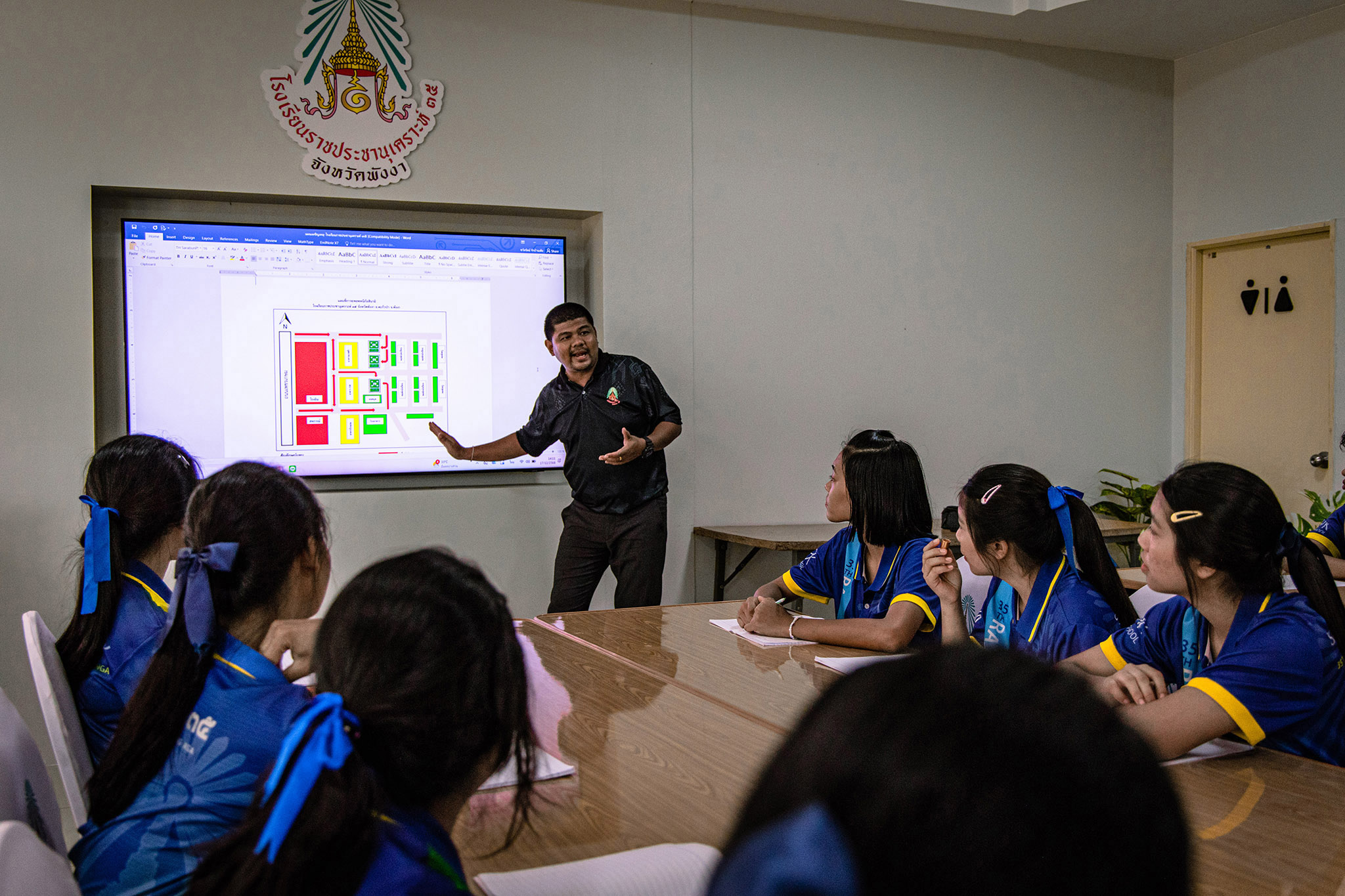
Photo: Wissarut Weerasopon
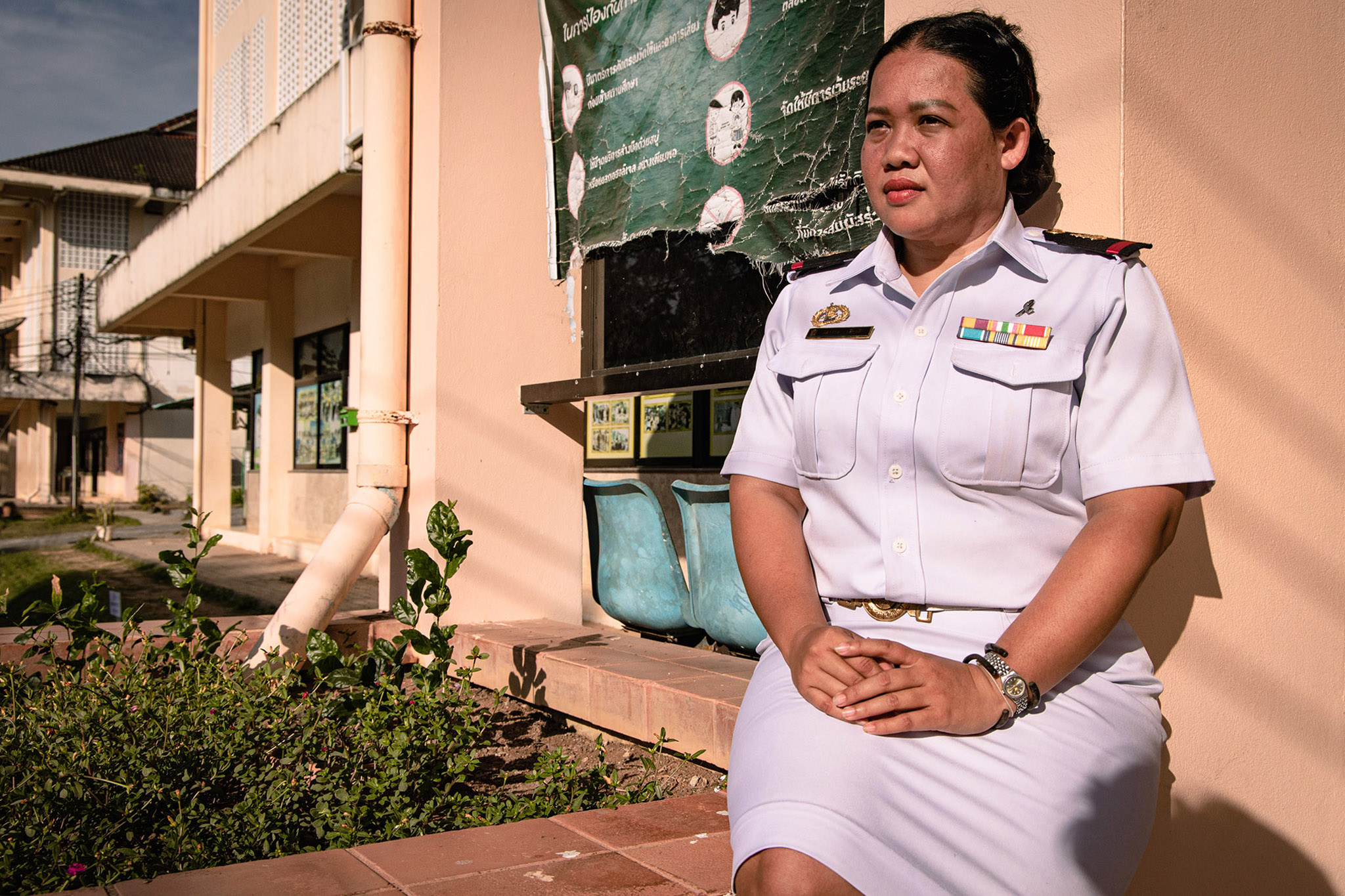
Photo: Wissarut Weerasopon
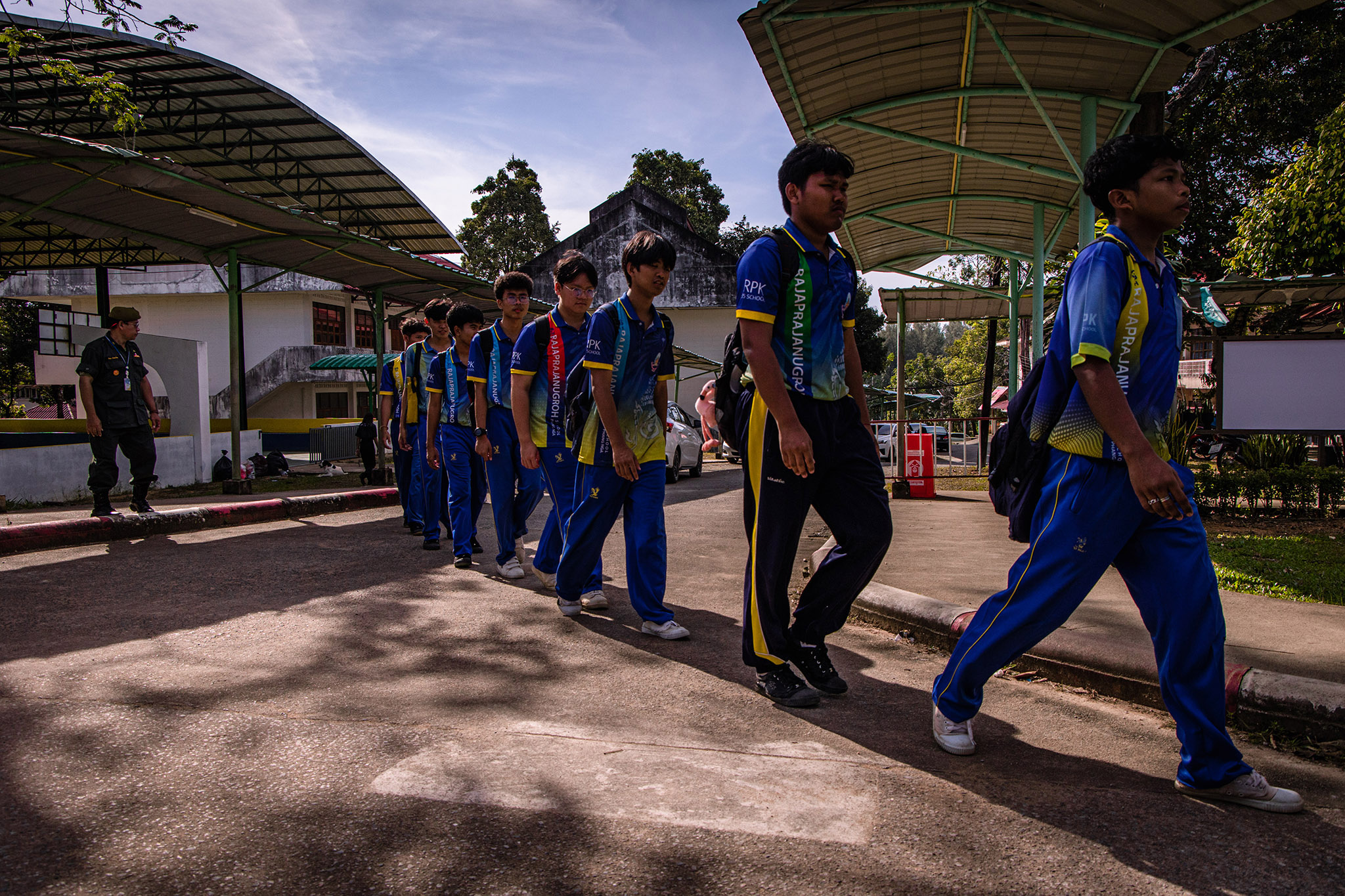
Photo: Wissarut Weerasopon
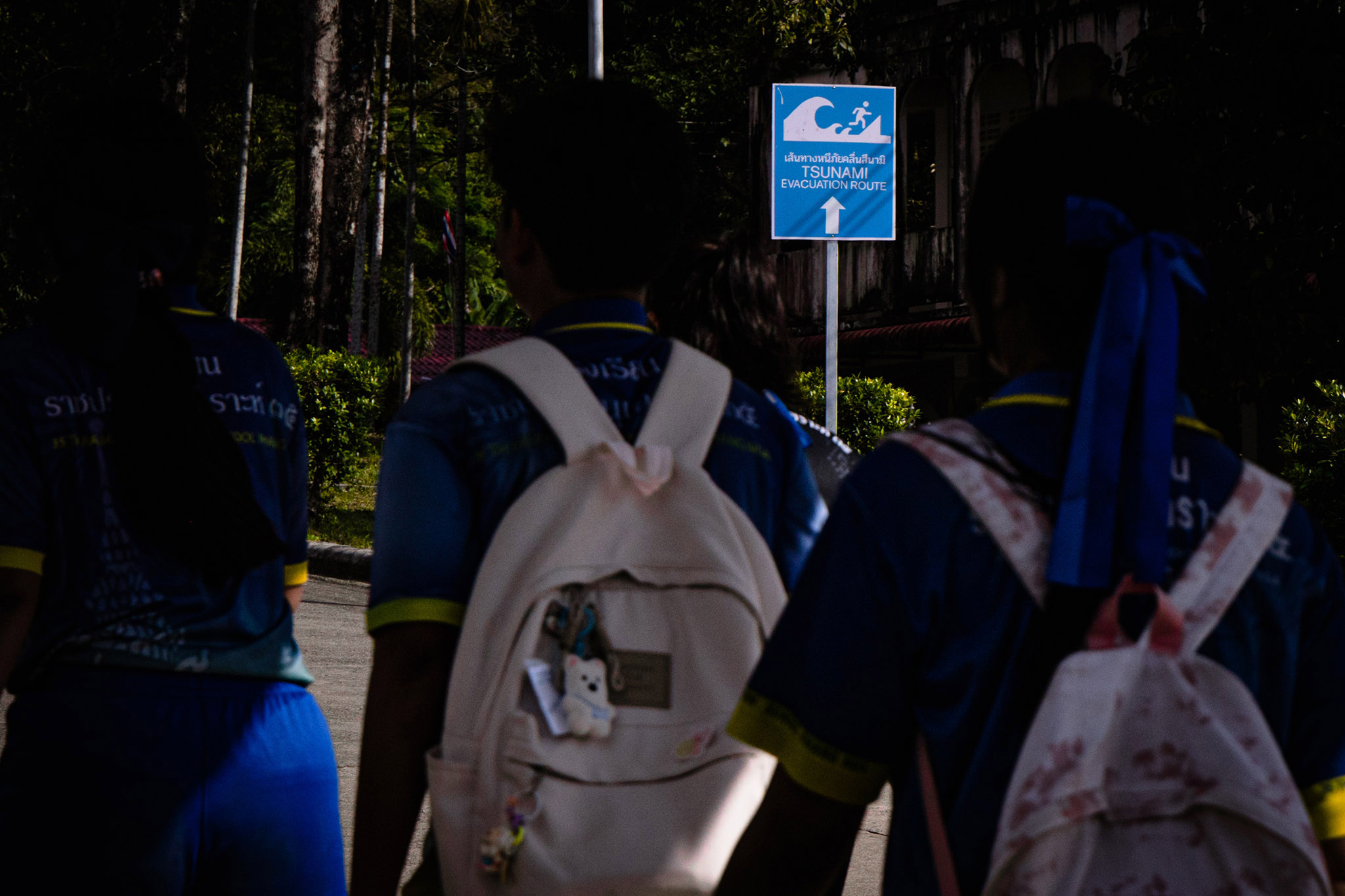
A tsunami evacuation route sign at Rajaprajanugroh 35 School in Takua Pa, Phang Nga. The sign guides students and residents to safe areas during a tsunami.
Photo: Wissarut Weerasopon
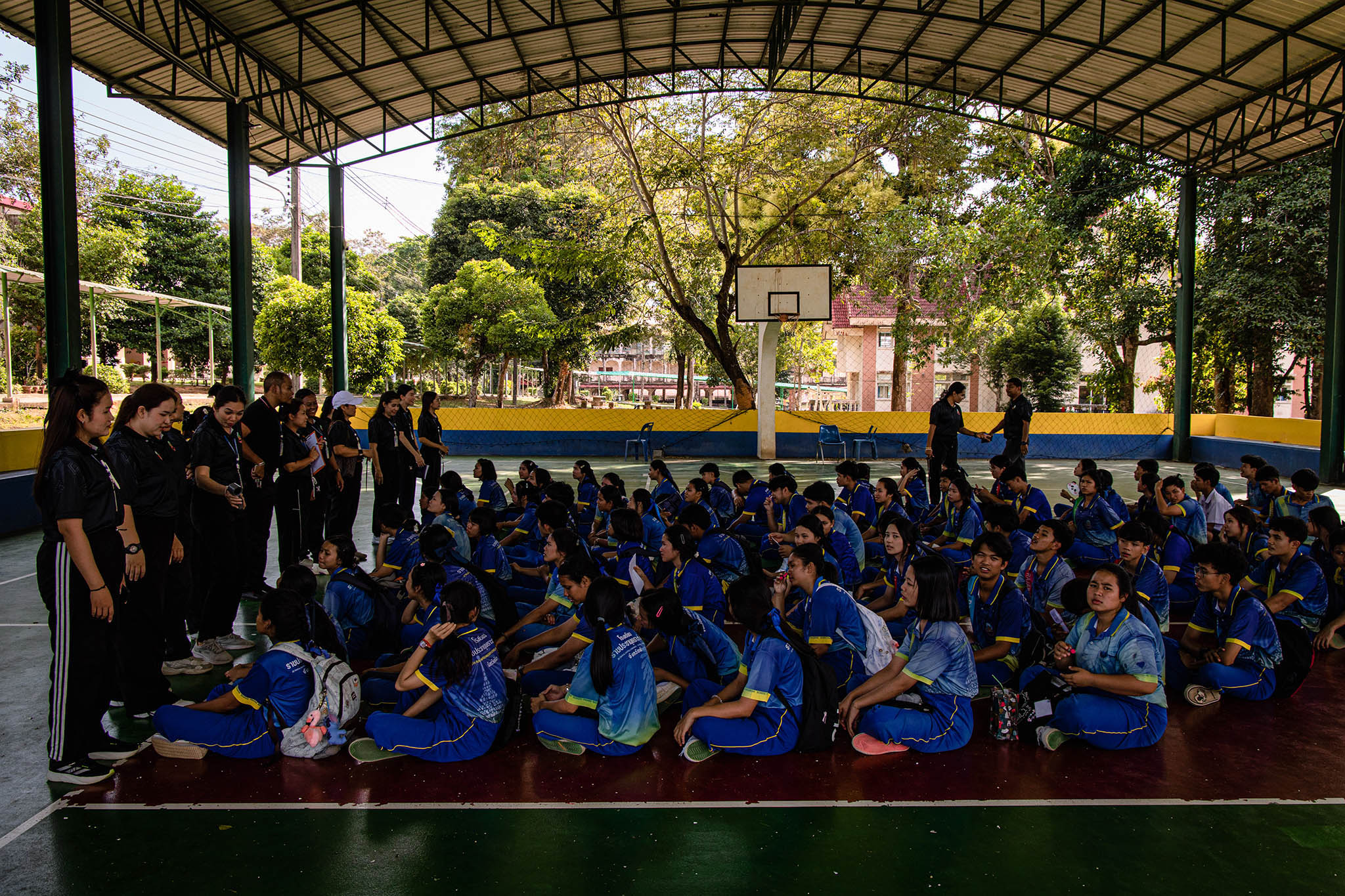
Photo: Wissarut Weerasopon
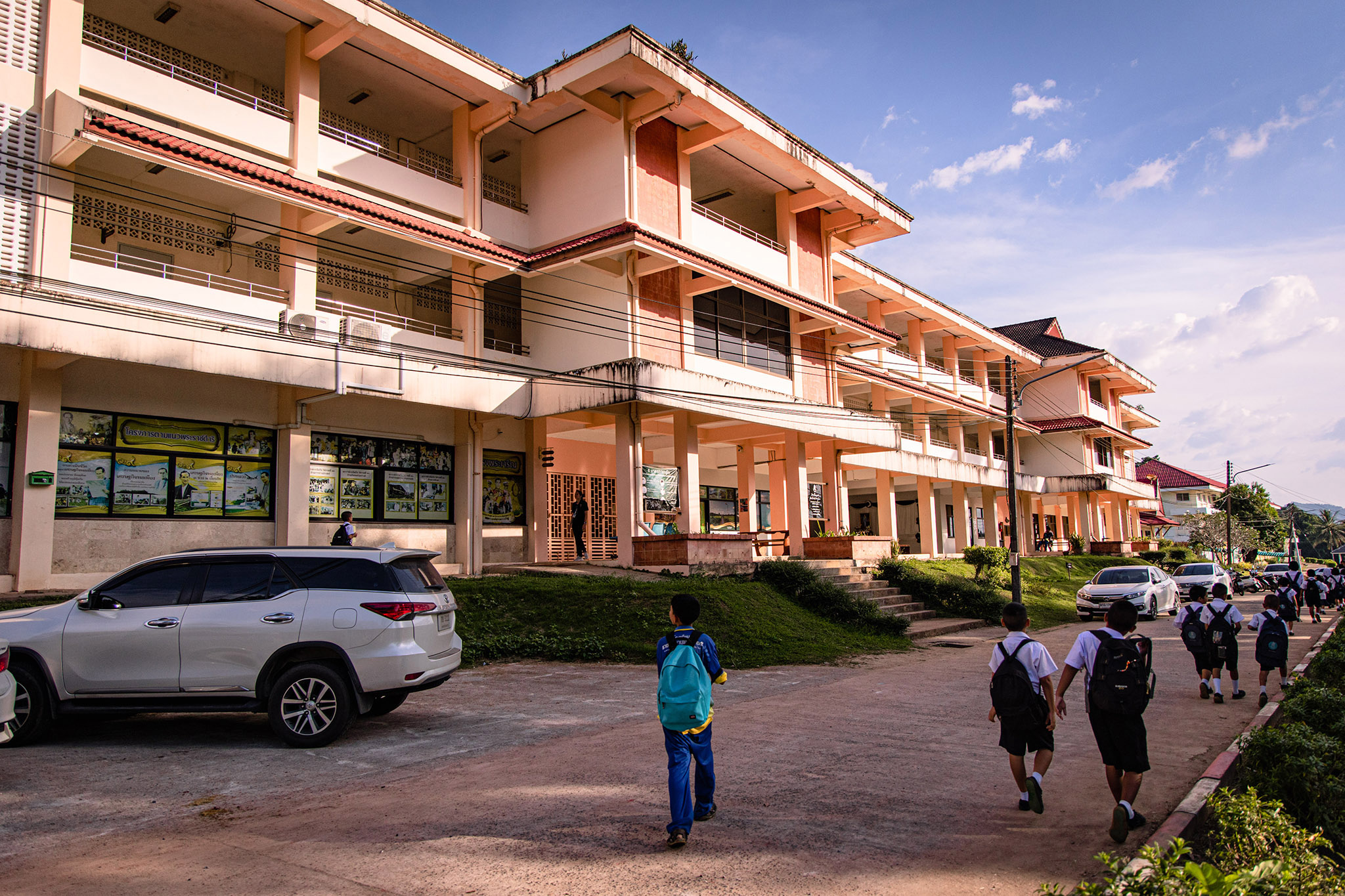
Photo: Wissarut Weerasopon

Photo: Wissarut Weerasopon
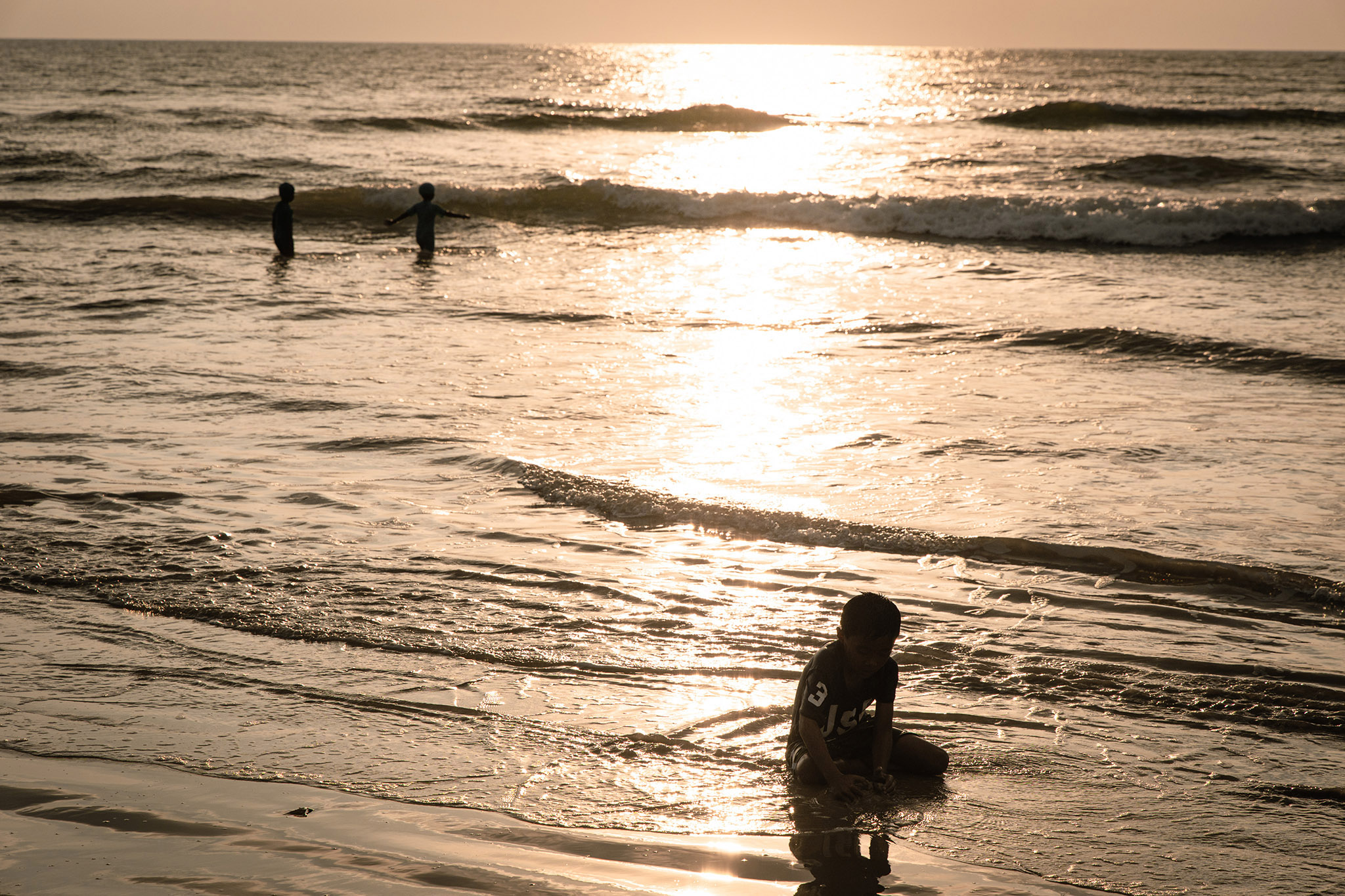
Photo: Wissarut Weerasopon
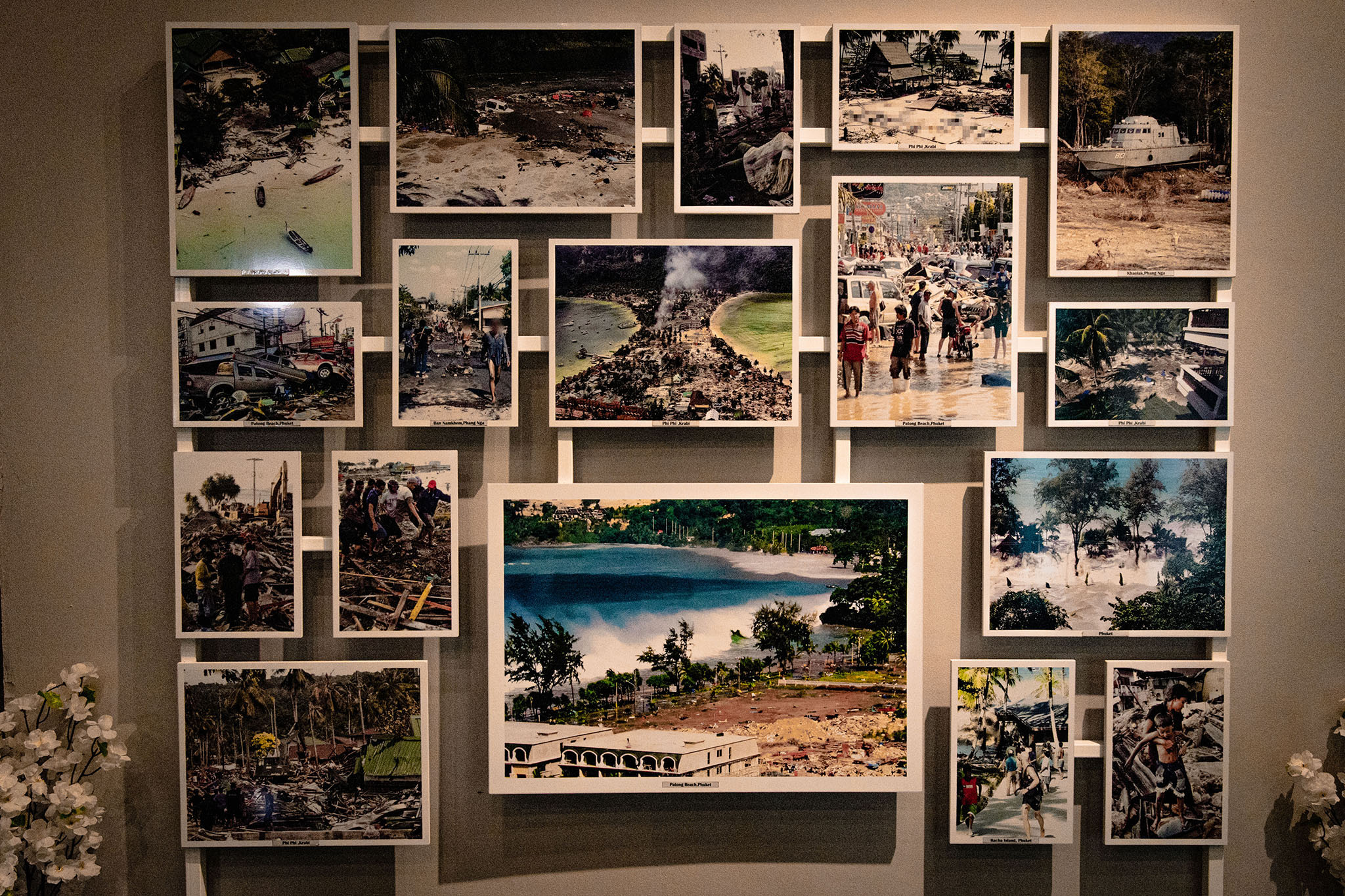
Photos showing the destruction caused by the 2004 Tsunami in Thailand. These historical images are preserved and displayed at the Ban Nam Khem Tsunami Museum.
Photo: Wissarut Weerasopon
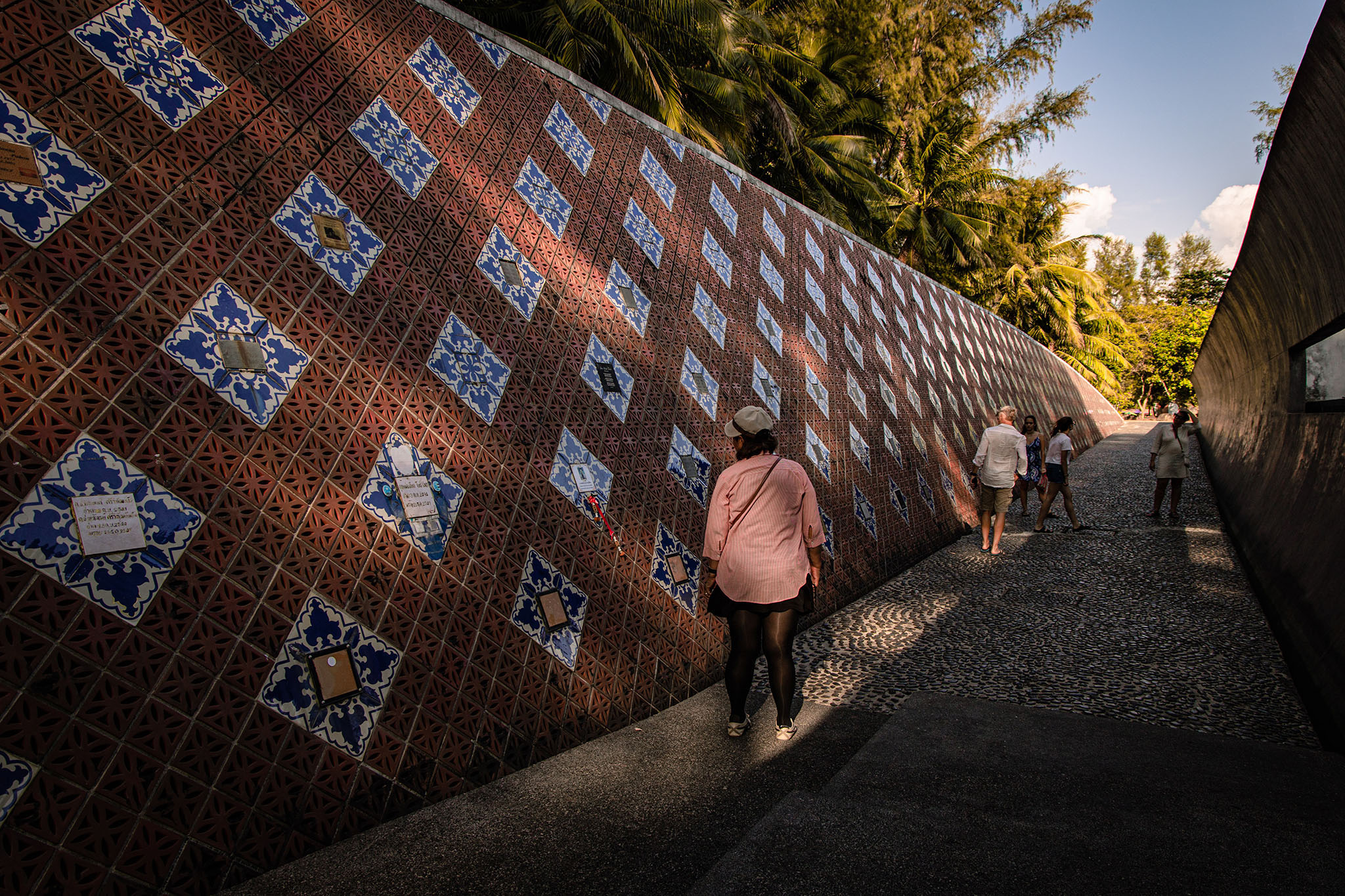
Photo: Wissarut Weerasopon
This photo essay was produced under the 2025 UNDP Media Fellowship on Sustainable Development.
The views expressed in the piece do not necessarily reflect those of UNDP.

A Thai documentary and news photographer. He has collaborated with prominent publications, Sarakadee, The Momentum, and National Geographic Thailand, and Zuma Press. His work reflects his deep interest in cultural, social, humanitarian, and political issues.