
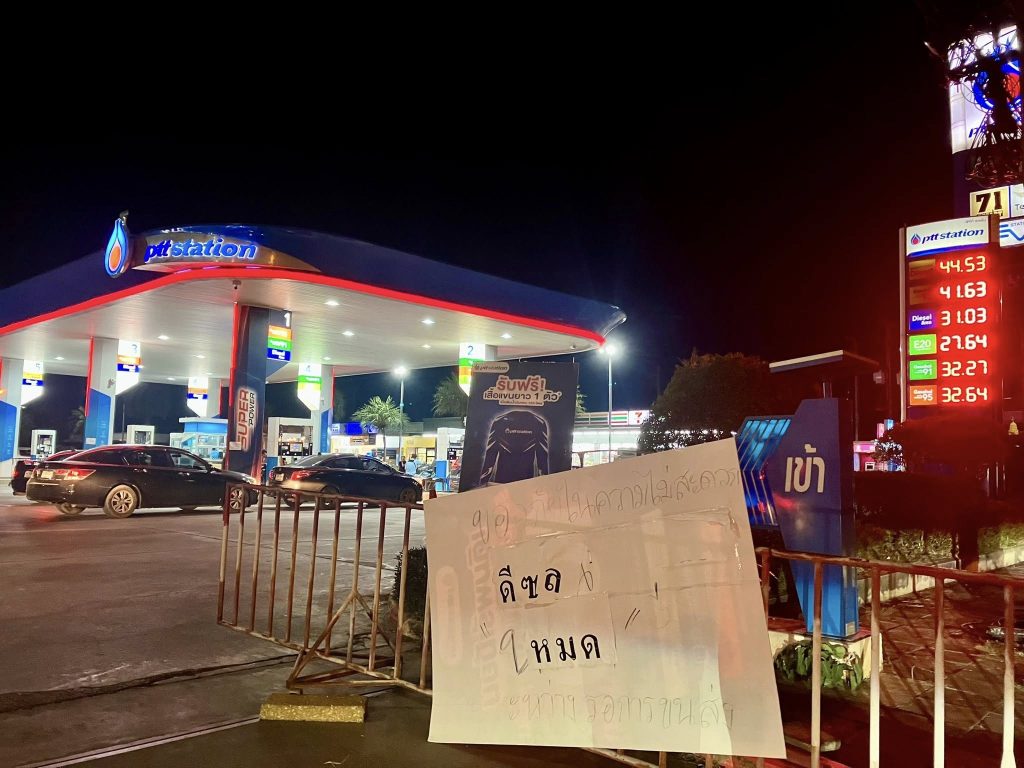
For nearly two weeks since the 12th day of the War in the Middle East, Bangkok Tribune has been travelling in the upcountry — just to learn about the direct impacts of the ongoing war and the shortages of fuel oils and the government’s untimely and disproportionate policies to address the impacts on the people
Bangkok Tribune has been travelling from Bangkok to the North and the Northeast since Day 12th of the war (Mar 11) and has learned about the impacts it has caused on our energy sector on the ground.
At the first station in Tak province in the lower North, where we tried to fill up the tank, the petrol station attendants told us that their diesel was running out and they could not fill our tank up, but merely allowed us to fill it up to a capped amount at around 25 litres, or Bt 800.
After refuelling the tank at the first station, we had to drive to some other stations to fill it up. We then learned that the other two stations had no more diesel for us to fill up our tank.
We then drove to the last station, 3 or 4 km away, where we could fill our tank for another Bt500, then barely enough for us to drive to Mae Hong Son province, but the tank was still not full. We were fortunate to find only one station in Mae Sariang, Mae Hong Son, that helped fill up our tank.
And as we travelled to the Northeast on Thursday, we encountered a similar situation in Phrae, Uttaradit, Loei, and Sakhon Nakorn, with capped diesel supplies, long queues, and petrol stations running out of diesel. We narrowly managed to fill up our tank with much greater effort than usual.
On the same day, the government claimed it managed to establish facts why petrol stations in several provinces were reportedly short of diesel for their customers.
PM Anutin Charnvirakul denied speculation that there could possibly be large-scale hoarding by fuel distributors or suppliers, but pointed out that it’s fuel users who were panicking and tried to stock up on petrol for their daily use.
At least 17 million litres a day was claimed by the PM as being stocked up by these users, or almost a third of the need for diesel before the war, which stood at around 67 million litres a day. The country’s capacity to produce diesel is approximately 77 million litres a day, compared to the increasing demand, which has stood at around 84 million litres a day.
Other analysts, including his Deputy PM Phipat Ratchakitprakarn, said otherwise.
Running a petrol station franchise himself, he hinted that petrol stations under his franchise were also short of diesel to fill their fuel tanks, suggesting that something irregular is occurring beyond the users and petrol stations.
As interviewed by Jor Luek Thua Thai Programme on Friday morning, he said the issue was not brought up for discussion in the government meeting, but he would examine it after this.
Meanwhile, the CIB raided an oil depot in Ang Thong province, which had stocked up over 300,000 litres and sold it at an increased price of up to Bt40 per litre. Its owner claimed it bought the diesel from an oil refinery at a rate of Bt39 or so already.
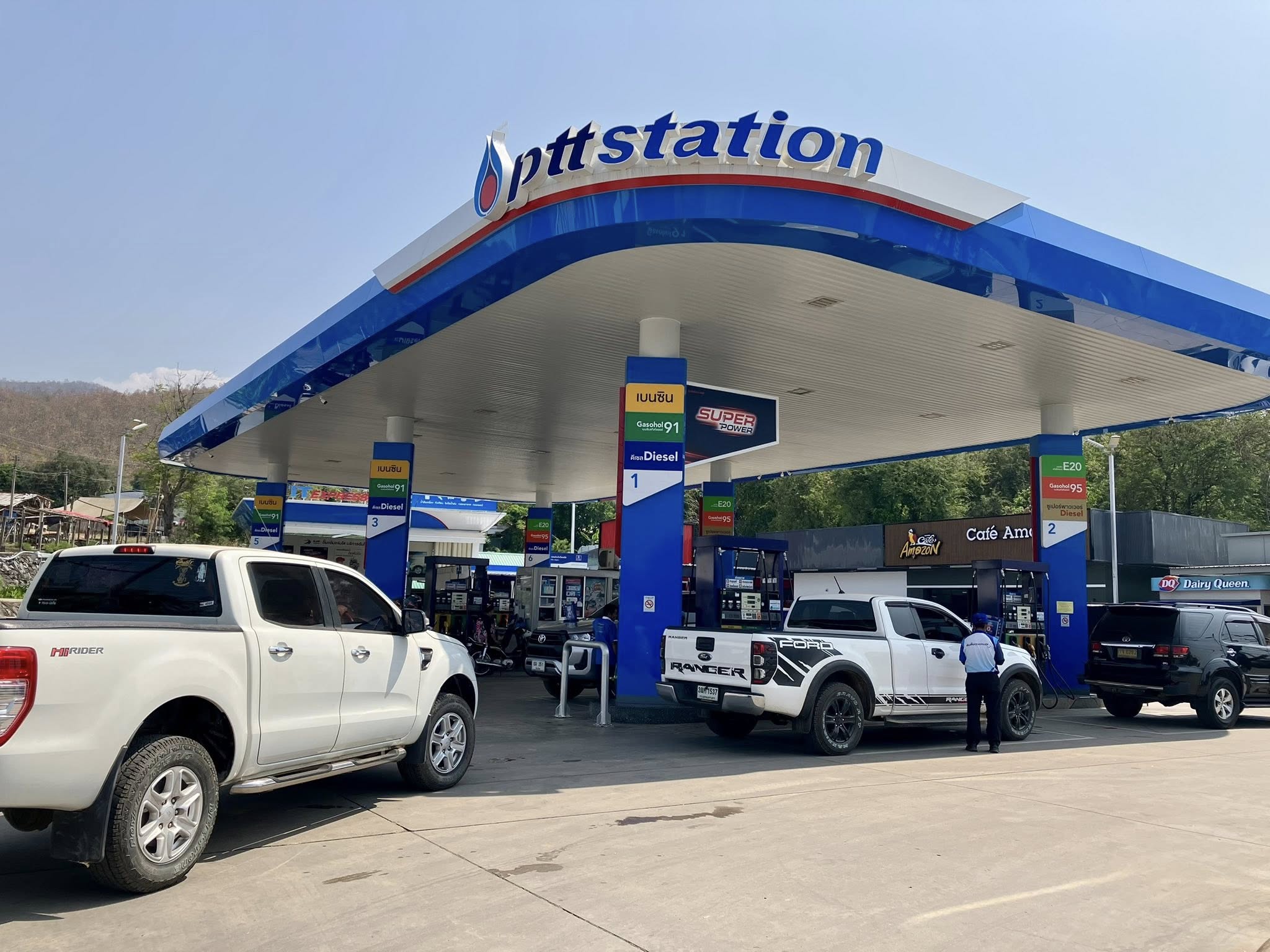
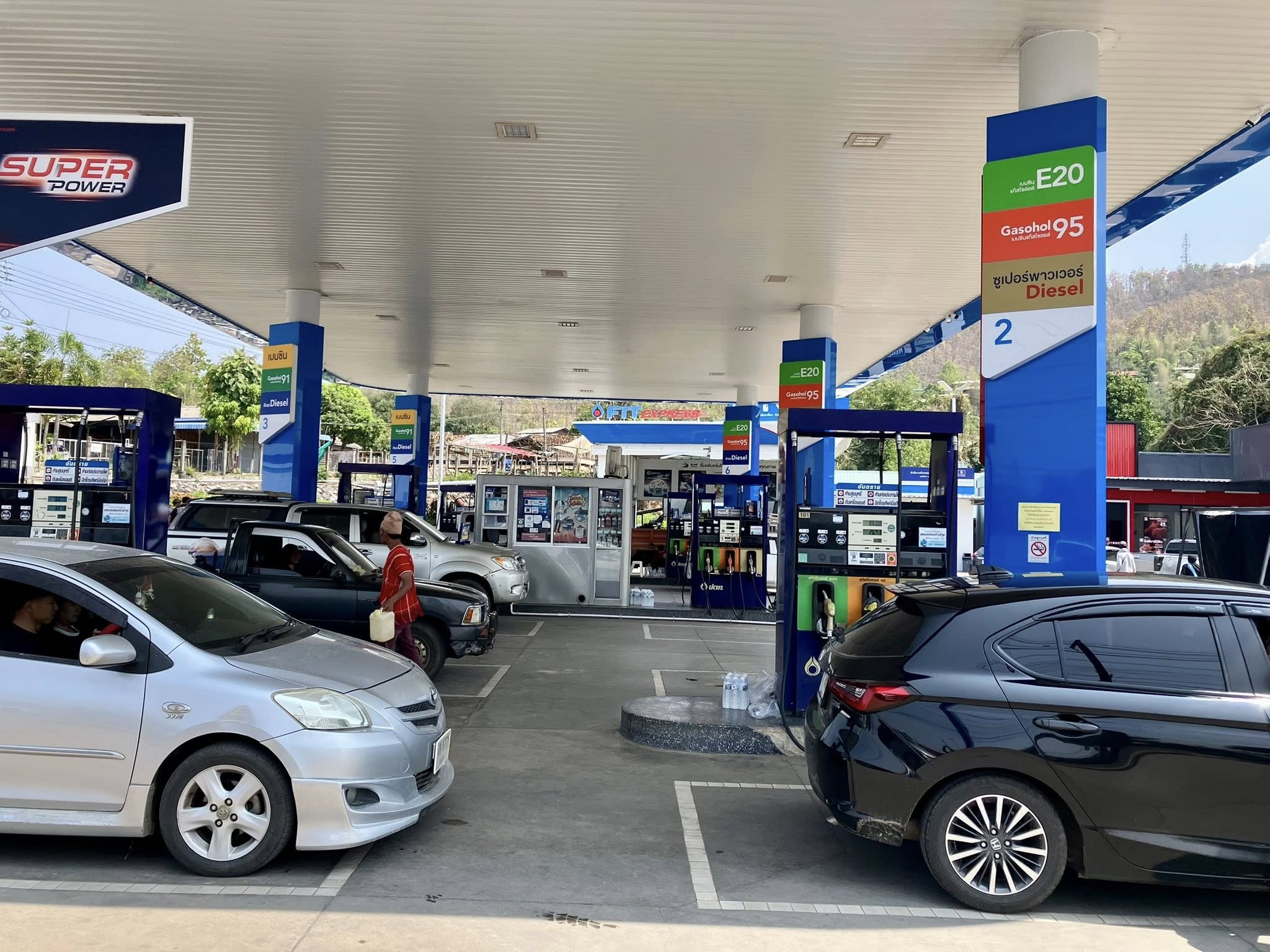
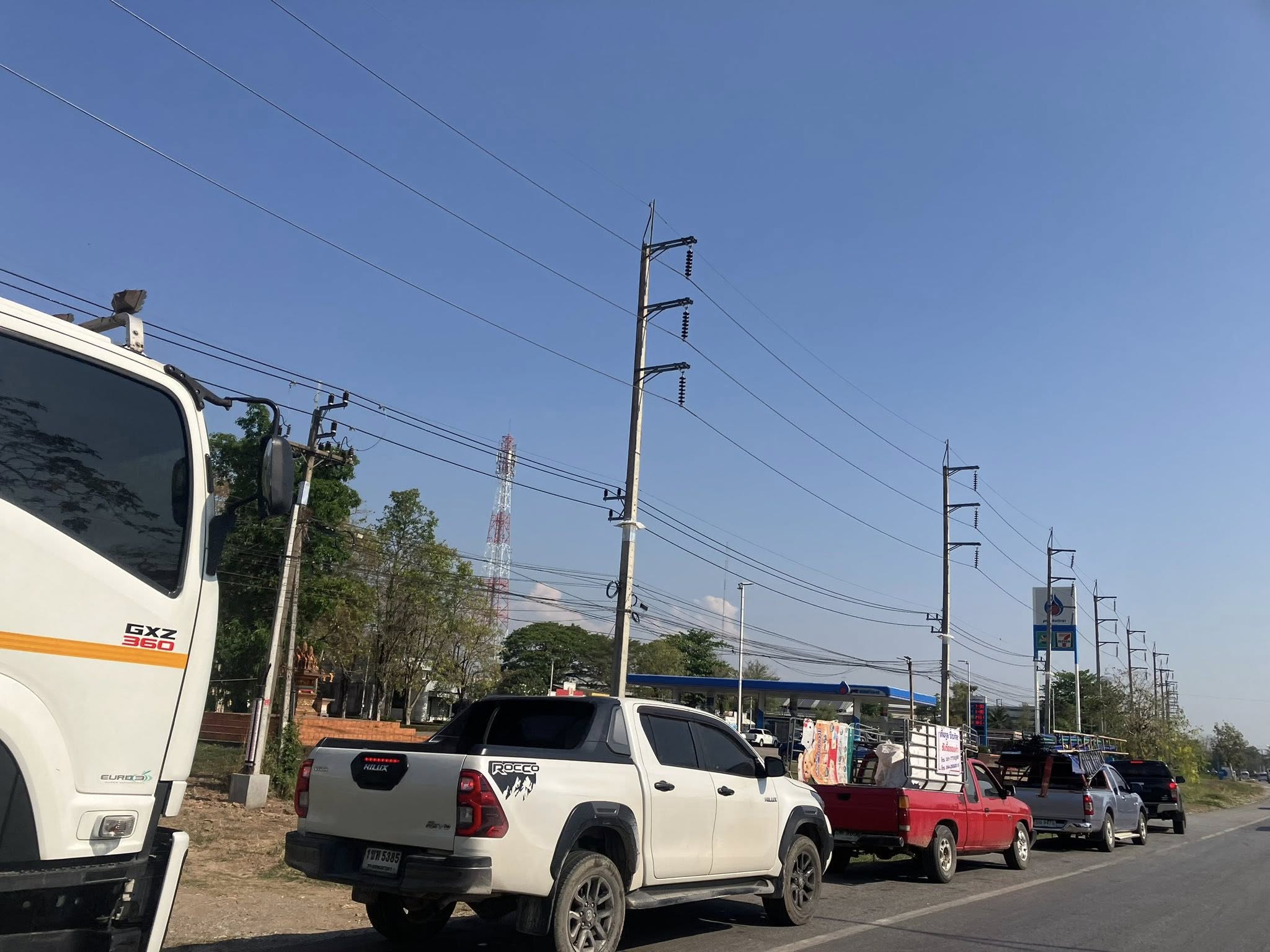

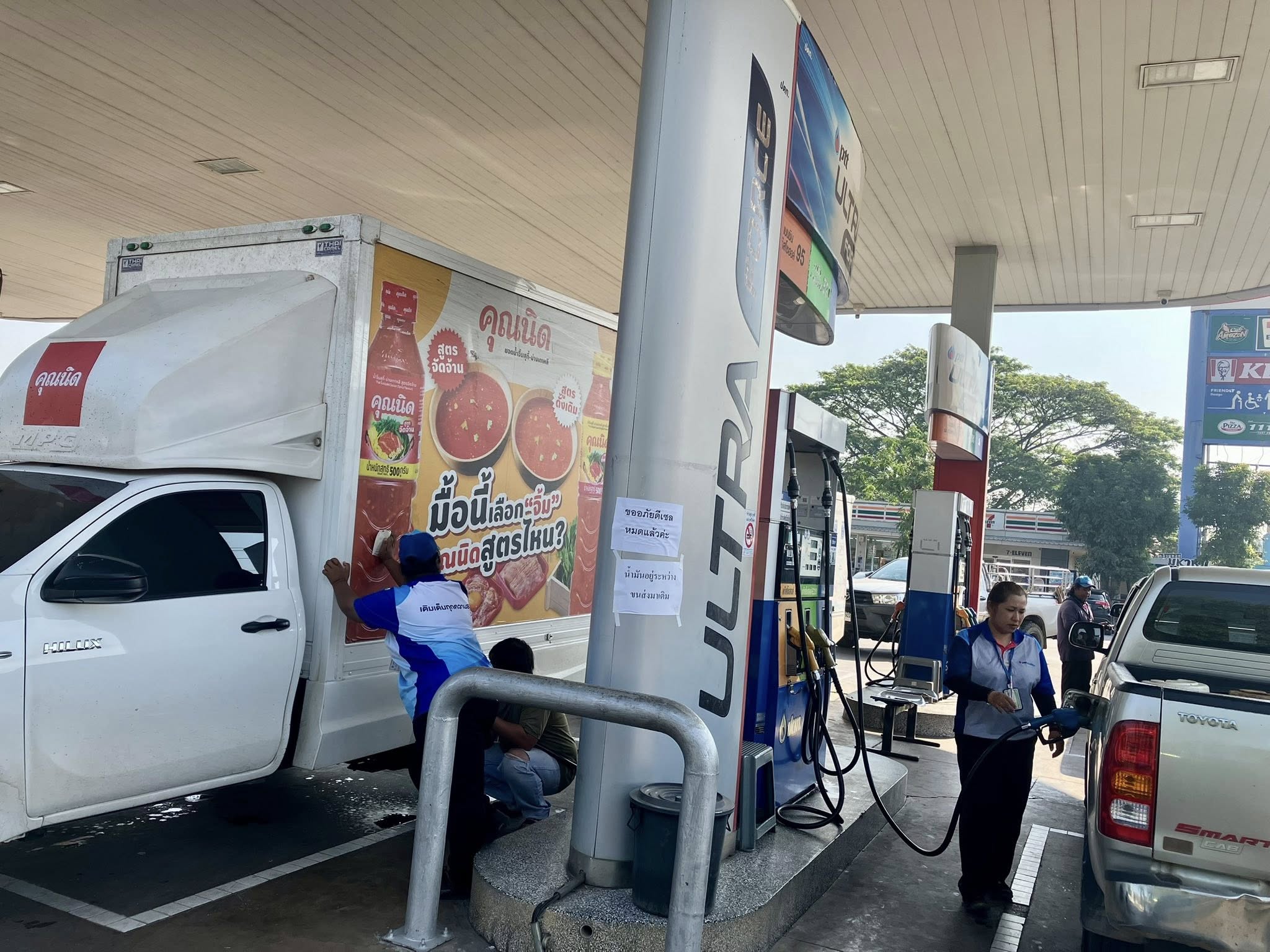

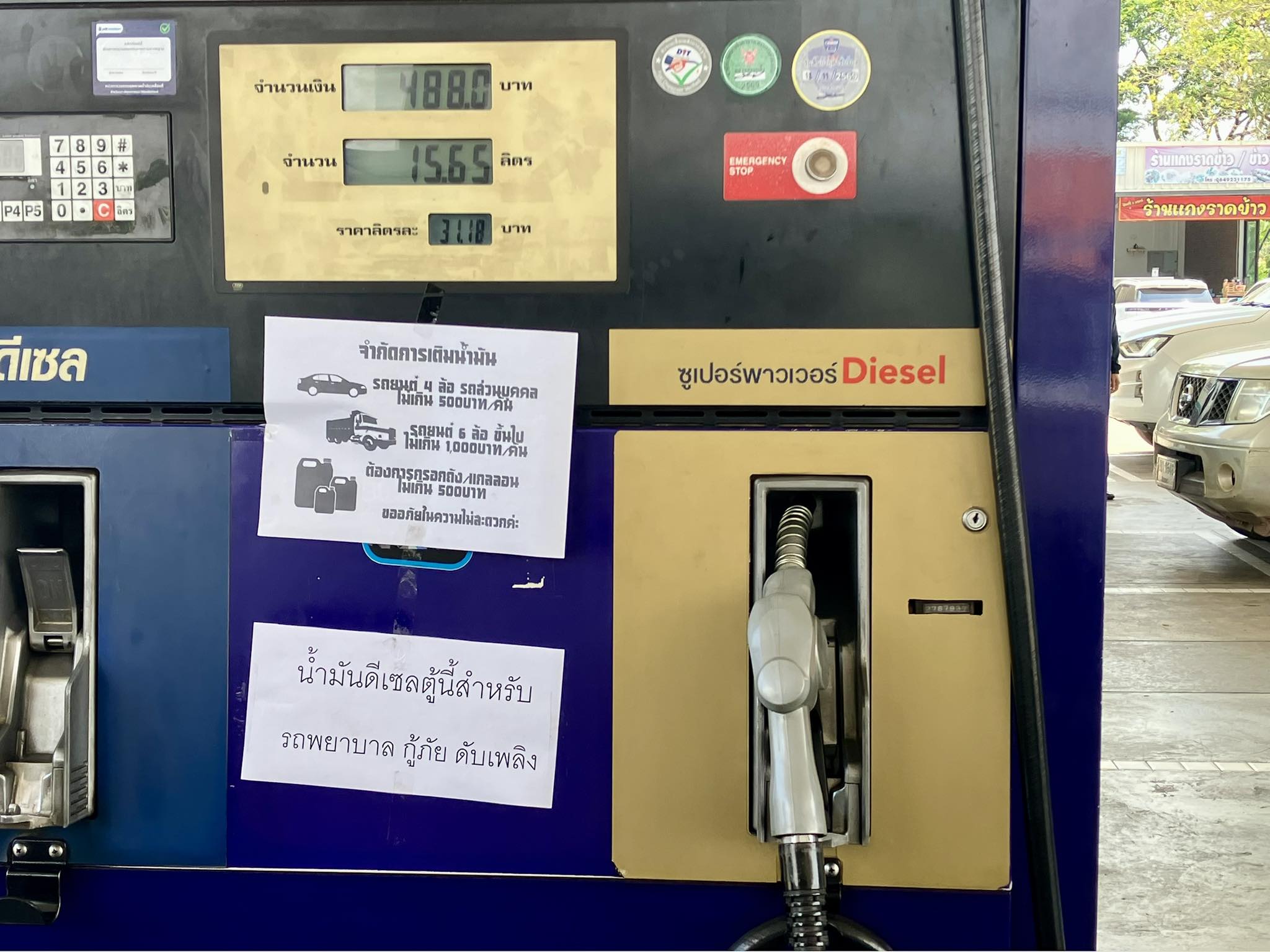
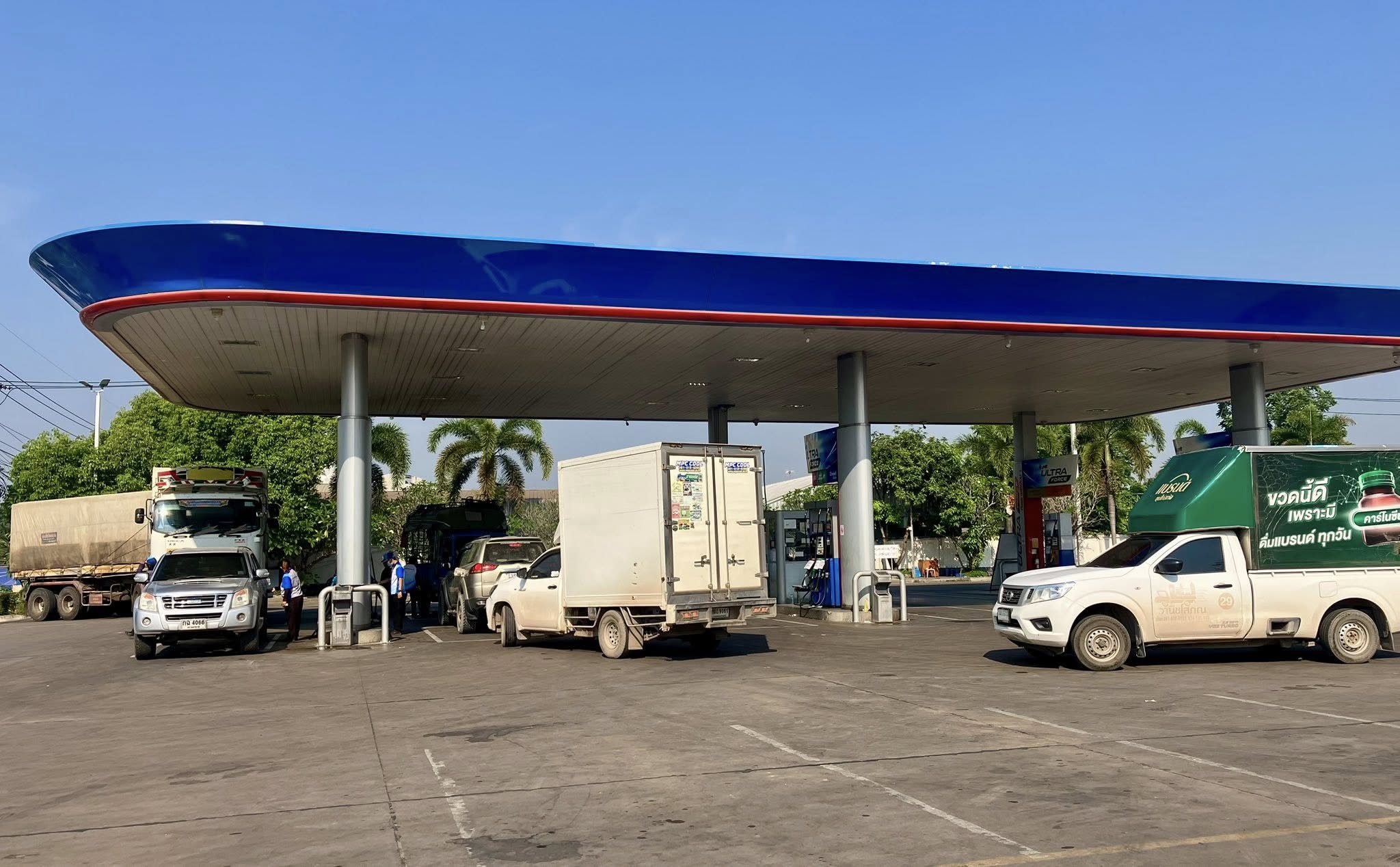

Photos: Bangkok Tribune
The shifted focus
While a critical question was lingering, whether such large-scale stockpilers and suppliers, regulated under the Fuel Trade Act B.E. 2543, were playing a role in the fuel shortages of the country, PM Anutin had made a swift U-turn on his viewpoint.
Hours after the raid, he shifted his focus from ordinary fuel users, whom he had blamed for fuel shortages in several provinces, to large-scale fuel traders and suppliers after the police raid.
PM Anutin swiftly issued a new order, Prime Minister’s Order No. 3/2026, following his authority under the Emergency Decree on Remedy and Prevention of Shortage of Fuel Oils, B.E. 2516 (1973). The decree authorises a PM to intervene in the fuel shortage situation in the country to maintain national security and the well-being of the people.
Under his order, large-scale traders and suppliers under Section 7 of the Fuel Trade Act B.E. 2543 (2000), including those who trade 100,000 tonnes or more of fuel per year, are prohibited from exporting oil and are required to increase their fuel reserves to 1.5-3% within two months of his previous order, Prime Minister’s Order No. 2/2569 (2026), dated March 6, 2026.
Those operating oil refineries shall report their production volumes, oil stocks, selling prices, customer lists, and sales volumes to the department by 6 p.m. each day. Those who do not operate oil refineries must report their sales and the list of customers who purchase more than 3,000 litres per transaction to the department by 6 p.m. each day.
They must also post a notice of fuel prices at their premises in a clearly visible manner and report to the Department of Energy Business whenever there is an adjustment in prices. Medium-scale traders and suppliers, who trade less than 100,000 tonnes of fuel, are also required to comply with the order.
The order also assigns the Deputy Prime Minister, Pipat Ratchakitprakarn, the Minister of Justice, the Permanent Secretary of the Ministry of Interior, the Commissioner General of the Royal Thai Police, the Director-General of the Department of Special Investigation, and the Director-General of the Department of Energy Business to strictly monitor and inspect the operations of oil traders to ensure compliance. They are appointed as “officials” under the decree and have the authority to appoint their subordinates to enforce it.
The order notes that the escalating conflict in the Middle East between the United States, Israel, and Iran shows no signs of ending and has affected both the production and export of fuel, natural gas, and related products from the region, a major global source.
The significant decrease in these commodities has led to rapidly rising prices, and Thailand, as a major importer of fuel, natural gas, and related products, is therefore directly affected.
Furthermore, it has come to light that many fuel stations and depots have recently run out of fuel, causing hardship to the public and many entrepreneurs’ businesses. Therefore, this constitutes an emergency requiring immediate measures to resolve and prevent fuel shortages arising from the situation.
The order, however, does not mention the possible emergence of fuel hoarding.
As updated today by the Department of Energy Business, Thailand has sufficient oil reserves to last 103 days, divided into 1,504 million litres of oil reserves for trade and a mandated fuel reserve of 3,389 million litres. The department also notes that a further 4,200 million litres are in transit and that another 3,700 million litres are already under contract.
There are six refineries producing diesel, with a combined capacity of about 79.91 million litres per day. Domestic consumption before blending with biodiesel averages around 67–70 million litres daily, though demand has at times surged past 100 million litres per day, according to the department.
Gasoline, meanwhile, is produced at five major refineries with a total capacity of roughly 35.28 million litres per day. Before blending with ethanol to produce grades such as 91, 95, and E20, output stands at about 34.41 million litres per day.
Also read updates: Govt decides to ease oil reserve to cope with fuel shortages

Indie • in-depth online news agency
to “bridge the gap” and “connect the dots” with critical and constructive minds on development and environmental policies in Thailand and the Mekong region; to deliver meaningful messages and create the big picture critical to public understanding and decision-making, thus truly being the public’s critical voice