
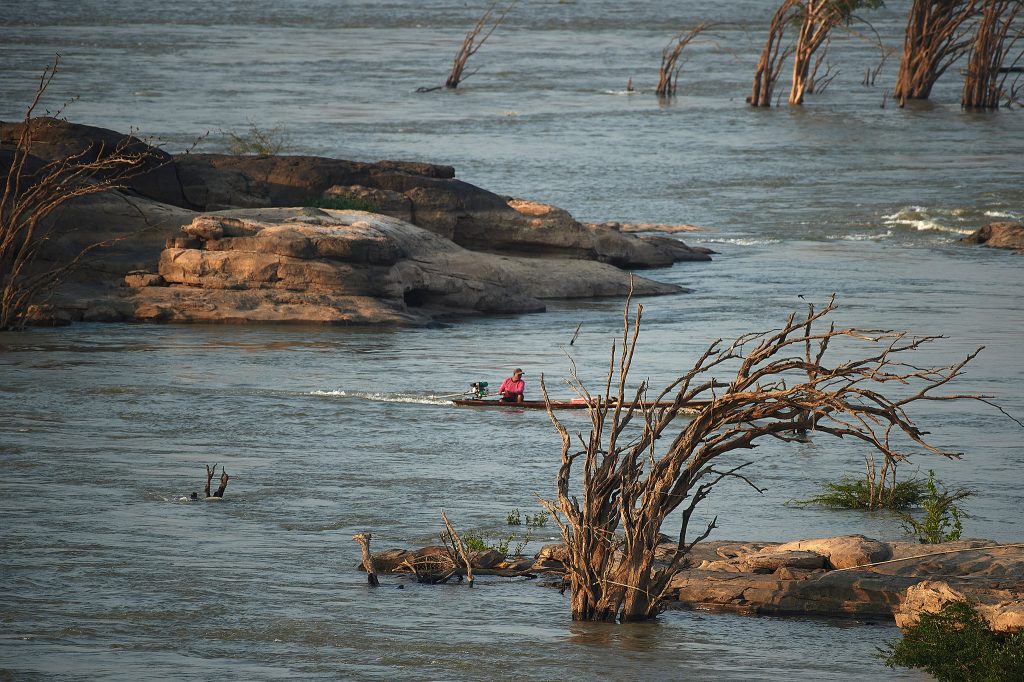
Dam development on the Lower Mekong mainstream had faced years of sustained opposition from local communities and the international community, leading to a prolonged period of stagnation. But following the Thai government’s policy shift in mid-2022 to endorse power purchase agreements for three consecutive dams — Pak Beng, Pak Lay, and Luang Prabang — mainstream dam projects in the Lower Mekong are now advancing rapidly, reshaping the basin’s future while intensifying concerns over ecological damage, local livelihoods, deteriorating river governance, and the growing influence of transnational investments
Around 96 kilometres upstream of Pak Beng — the first of a cascade of 11 Mekong hydropower projects planned on the Lower Mekong mainstream — fishers like Phan continue to fish despite growing threats both upstream and downstream.
Late last year, when the flood season ended and the Mekong River was expected to recede and become clear, water levels instead fluctuated sharply. They rose and fell within a few days following discharges from China’s dams upstream on the Upper Mekong mainstream —12 in total so far, with some reaching heights of nearly 300 metres — complicating his fishing.
More critically, the water was murky beyond his understanding, reminding him of new developments upstream and their impact on fish sales in the market.
“We’ve become increasingly concerned about the Mekong — its health … and our own,” said Mr. Phan.
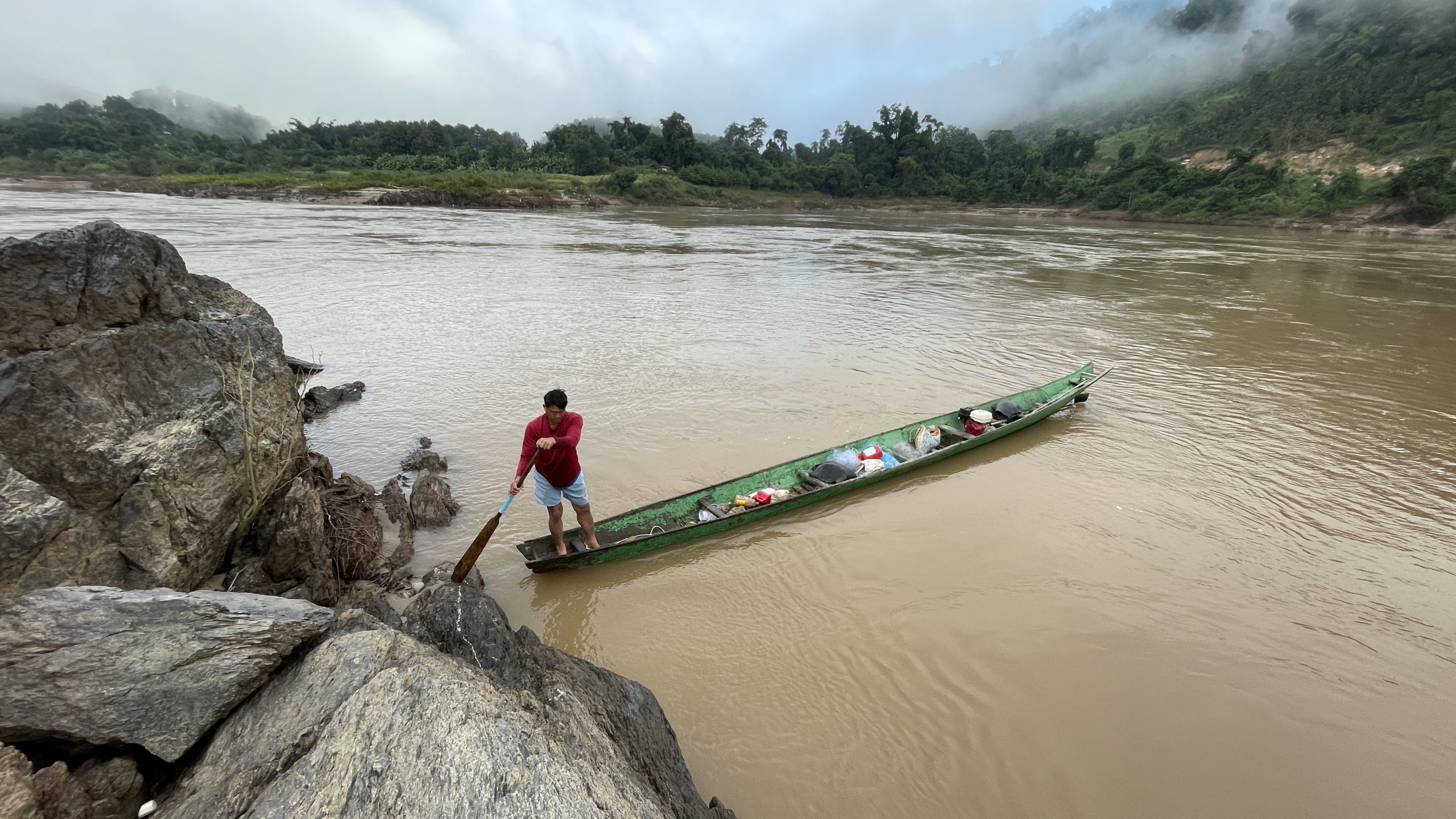
Photo: Piyanan Jitjang
For several months, villagers in Huay Luek and nearby communities in the Thai–Lao border district of Wiang Kaen, Chiang Rai province, have also been on alert for toxic contamination upstream.
Near the Thai–Myanmar border, across Chiang Mai and Chiang Rai provinces, the Kok and Sai-Ruak rivers have been contaminated by toxic heavy metals and chemicals linked to unregulated mining in Myanmar. (Read: SPECIAL REPORT SERIES: The Poisoned Rivers: From gold to rare earth, unregulated mining in Myanmar poisons the Mekong and its tributaries in Northern Thailand)
Contaminated water from these rivers flows into the Mekong River in Chiang Saen district, about 90 km upstream of Wiang Kaen. A further 96 km downstream of Wiang Kaen, in Laos’ territory, lies the designated site of the Pak Beng Dam. If constructed, the dam will create an impoundment that sends backwater upstream to river communities such as Huay Luek in Wiang Kaen and the adjacent Chiang Khong district.
Under these combined conditions, residents in the area like Mr. Phan fear the worst. In addition to permanent flooding caused by the dam’s backwater, they may also face prolonged exposure to stagnant, contaminated water.
“I’m scared too. I’m trying to protect myself as best I can … perhaps by eating less fish,” admitted Mr. Phan when asked how he felt about the situation and how he would protect himself from the toxic water.
Pak Beng the Third
Since the first proposed 1,285-MW Xayaburi Dam on the Lower Mekong mainstream was advanced in Xayaburi Province, Lao PDR, in the 2010s and was followed by the 260-MW Don Sahong Dam, located in one of the world’s richest biodiversity hotspots for fish species — Siphandone (Four Thousand Islands) in southern Laos — dam developers had slowed their efforts to advance projects on the Lower Mekong for a period due to strong opposition from communities, regional civil society, and the international community.
They renewed their acceleration of these projects after the Prayut government, through the resolutions of the National Energy Policy Council (NEPC) chaired by PM Prayut Chan-o-cha, decided to endorse power purchase agreements (PPAs) for three other dam projects consecutively — namely Pak Beng, Pak Lay, and Luang Prabang — in mid-2022. The government’s action effectively signalled a green light for the go-ahead for dam construction, as developers could then secure substantial loans through these agreements to proceed with the projects.
These three projects, along with two other dams in the pipeline, Sanakham and Phou Ngoy, have since been moving ahead in full swing — at the cost of local livelihoods and the environment, and with complex investments by major developers, including Chinese business entities.
l A video clip introducing the Pak Beng dam project was released by the MRC in January 2017 during the PC process. Credit: MRC
Pak Beng is the third Lower Mekong dam project proposed to the Mekong River Commission (MRC) for the six-month Prior Consultation process (PC), following Xayaburi and Don Sahong. According to project documents submitted to the MRC by Laos in late 2016, the dam site is located in Pak Beng District, Oudomxai Province.
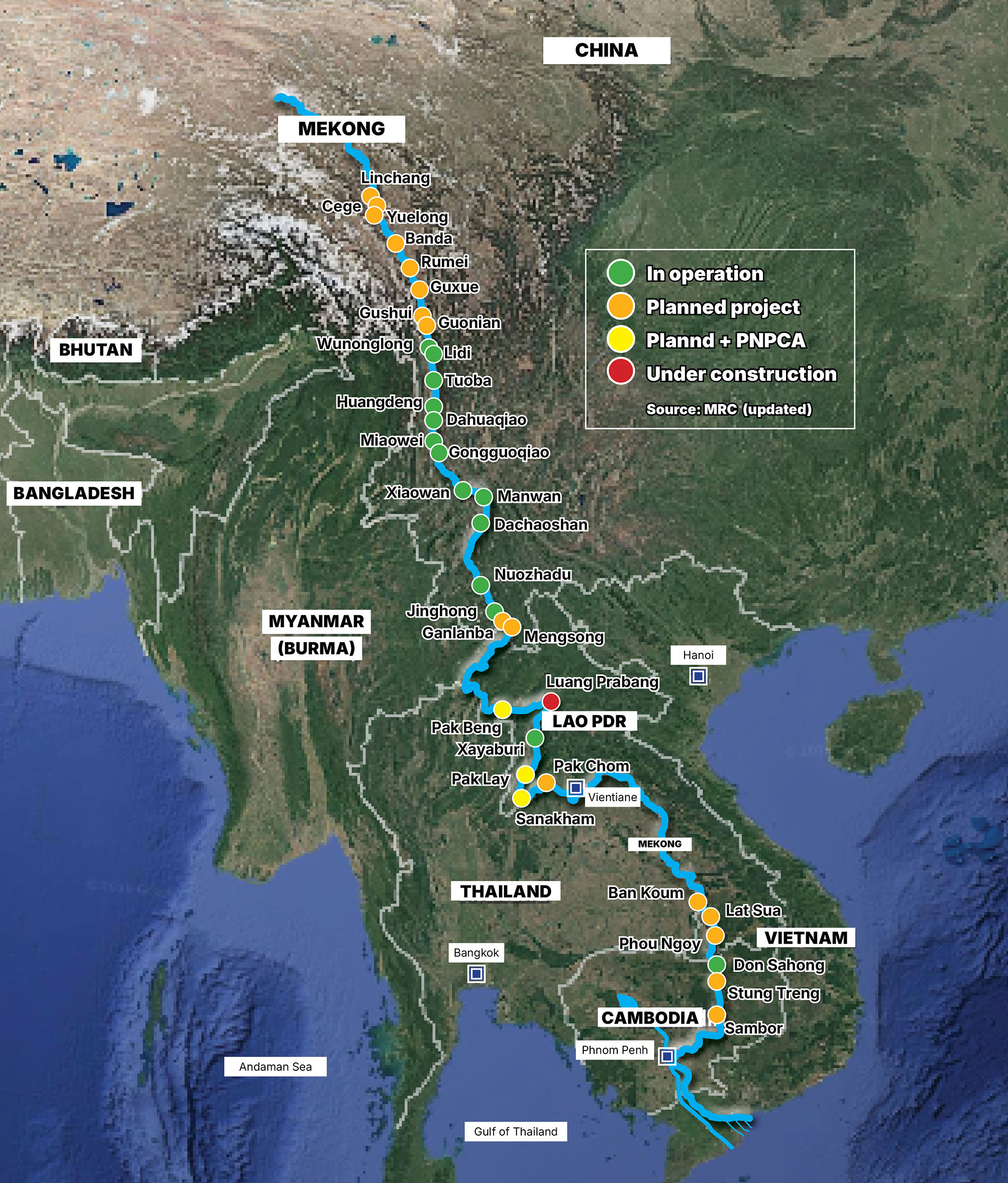
It is about 530 km downstream of Jinghong Dam on the Upper Mekong (known as the Lancang in China) and around 96 km downstream of the Thai-Lao border in Wiang Kaen District, making it the first in a cascade of 11 hydroelectric dam projects planned on the Lower Mekong. Approximately 153 km and 259 km downstream are the second and third dams in the cascade: Luang Prabang and Xayaburi.
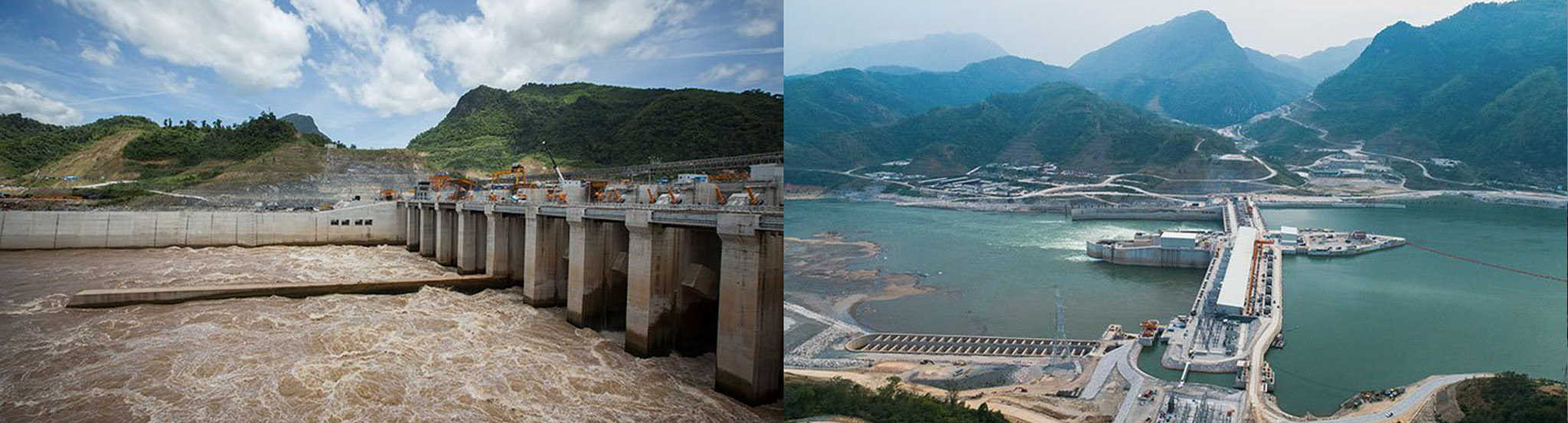
Pak Beng is designated as a 912-MW run-of-river dam, stretching nearly one kilometre across the river and standing almost 70 metres high (equivalent to a high-rise building with at least 20 storeys). Up to 10% of its power would be supplied to Electricité du Laos (EDL), while any surplus would be exported to Thailand, according to the project documents.
The project officially entered the MRC’s prior consultation process in late December 2016, which was completed in June 2017. At that time, the Water Resources Department held four national consultation meetings. However, none were conducted in Wiang Kaen or adjacent Chiang Khong, areas that will be most affected by the dam’s backwater. The fourth consultation session, held upstream in Chiang Saen District, merely served as a concluding session for the first three consultations.
All these flaws in the process have been strongly opposed by local residents and civil society groups, who are deeply concerned about transboundary backwater impacts and the potential loss of Thailand’s territory. Yet successive Thai governments have never voiced opposition to the project, particularly regarding the possible loss of territory.
Chumlarp Tejasen, Assistant to the Secretary-General of the Office of National Water Resources, which serves as the secretariat to Thailand’s National Mekong Committee (TNMC), told Bangkok Tribune that the prior consultation (PC) process for the Pak Beng Dam has been completed and that the project is now progressing to the next stages of design and construction.
It is currently at the stage of “redesigning” elements of the dam in line with recommendations outlined in the Joint Statement, issued by the Joint Committee (JC) comprising senior officials representing the four MRC member countries, as well as the Joint Action Plan, which details the implementation of these recommendations. Among these is the revision of the dam’s design to mitigate transboundary impacts.
“They told us that there will no longer be impacts of concern. What we will do next is monitor and follow up on what is outlined in the action plan, from design through operation,” said Mr. Chumlarp, suggesting that further action by the Thai authorities is limited.
In April 2022, a few weeks before the PPA endorsement by the Prayut government for this dam, Radio Free Asia (RFA) reported that the Chinese dam developer had begun moving machinery to prepare the site and establish workers’ camps. The U.S.-based news agency quoted an official at the Lao Ministry of Energy and Mines as saying that these activities were undertaken in anticipation of a PPA being signed with the Electricity Generating Authority of Thailand (EGAT).
The PPA for the Pak Beng Dam was finally signed in mid-September 2023, securing the project’s future and further advancing hydropower development along the Lower Mekong mainstream.
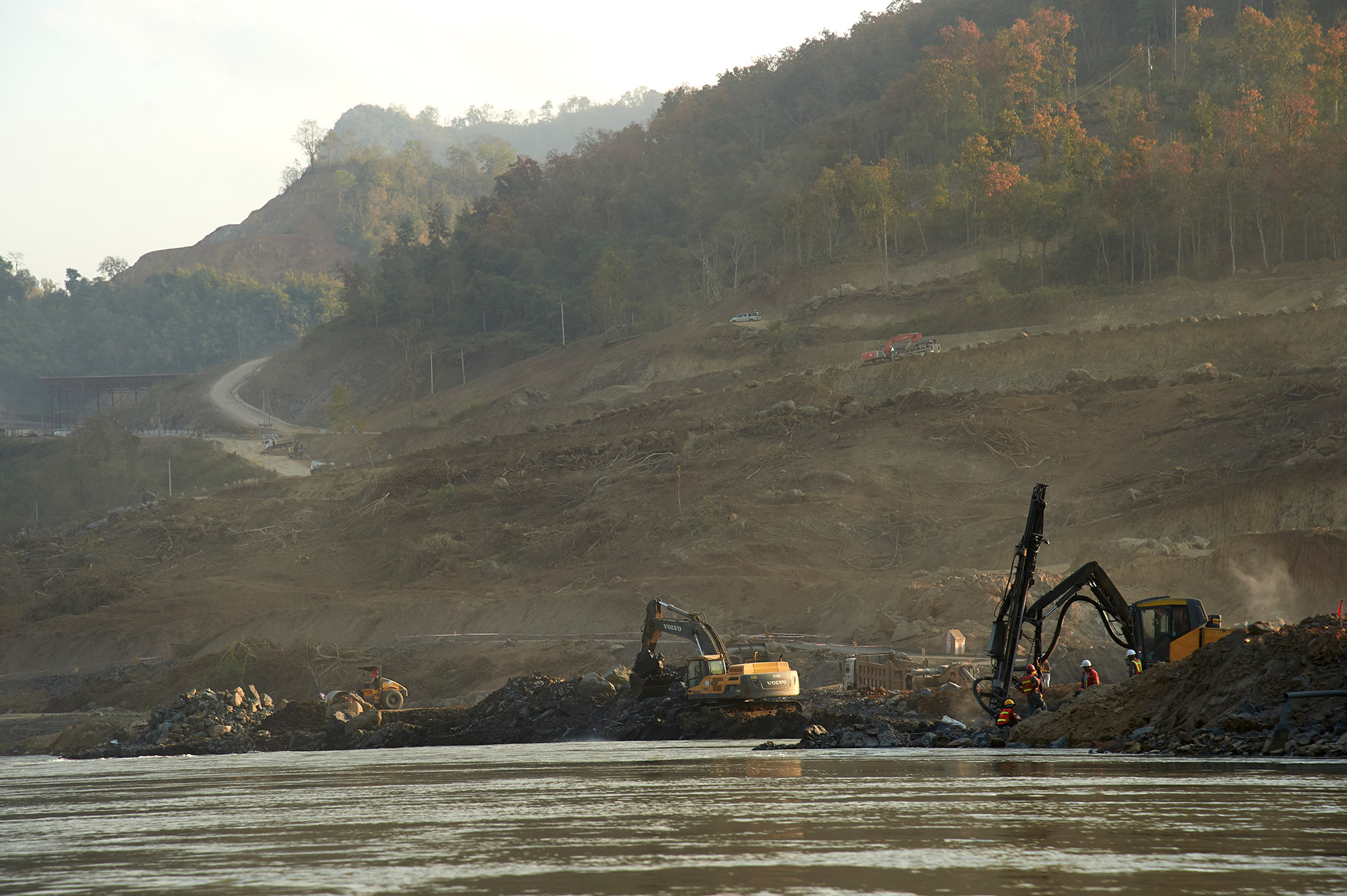
Photo: S. Chuen
Pak Lay the Fourth and Luang Prabang the Fifth
Approximately 153 km downstream of Pak Beng lies Luang Prabang Dam, the second in the cascade but the fifth project proposed to the MRC for prior consultation. Despite being proposed after the fourth project, Pak Lay, Luang Prabang has progressed more rapidly than the latter.
According to the MRC, the Luang Prabang Dam site is located on the Mekong River, about 25 km north of Luang Prabang town, a UNESCO World Heritage Site. The project is set to have an installed capacity of 1,460 MW, larger than Pak Beng, and its power is again set to be sold to Thailand.
The Luang Prabang Dam entered the MRC’s prior consultation process in October 2019, and the process was completed in late June 2020. During the wrap-up session of its prior consultation, the MRC reported that Thailand, Cambodia, and Viet Nam had requested Laos to conduct “rigorous” transboundary impact assessments and enhance proposed measures to mitigate potential adverse impacts from the project.
For instance, Vietnam, located at the far end of the Mekong River, stated: “The cumulative impacts of the Luang Prabang Hydropower Project and all Mekong mainstream hydropower projects should be comprehensively assessed.” Thailand itself said: “There is a proposal to Lao PDR and the project developer to establish an Endowment Fund and determine transboundary impact mitigation measures in terms of socioeconomic, livelihood, and environmental factors.”
Equally critical was the impact on the World Heritage Site of Luang Prabang Town.
l A video clip introducing the Luang Prabang dam project was released by the MRC in May 2020 during the PC process. Credit: MRC
In March 2021, Xinhua reported that the project’s pre-construction work was already 80% complete. This included the construction of an 11-km access road, a 500-metre bridge over the Mekong River, three temporary ports, as well as transmission lines and a small electricity station.
In early November 2022, EGAT signed the PPA for the project following the Prayut government’s endorsement. Just a month later, in December, Radio Free Asia reported that preliminary construction work on the Luang Prabang Dam had begun, including paving access roads and clearing the construction site.
In mid-January 2023, Bangkok Tribune visited the construction site in Luang Prabang and documented large-scale preparation work. It also identified groundwork undertaken in the river, later confirmed by the U.S.-based Mekong Dam Monitor (MDM) through satellite data to be a cofferdam — a temporary, watertight enclosure built to allow construction in a dry area.
Dr. Winai Wangpimool, Director of ONWR’s Foreign Affairs Division and part of the TNMC team, confirmed to Bangkok Tribune that the Luang Prabang Dam is now under construction. The work is 60% complete despite ongoing concerns ranging from water fluctuations and dam safety to changes in flow regimes and impacts on livelihoods and fisheries.
According to EGAT’s schedules, as examined by Bangkok Tribune, the project’s scheduled commercial operation date is January 2030.
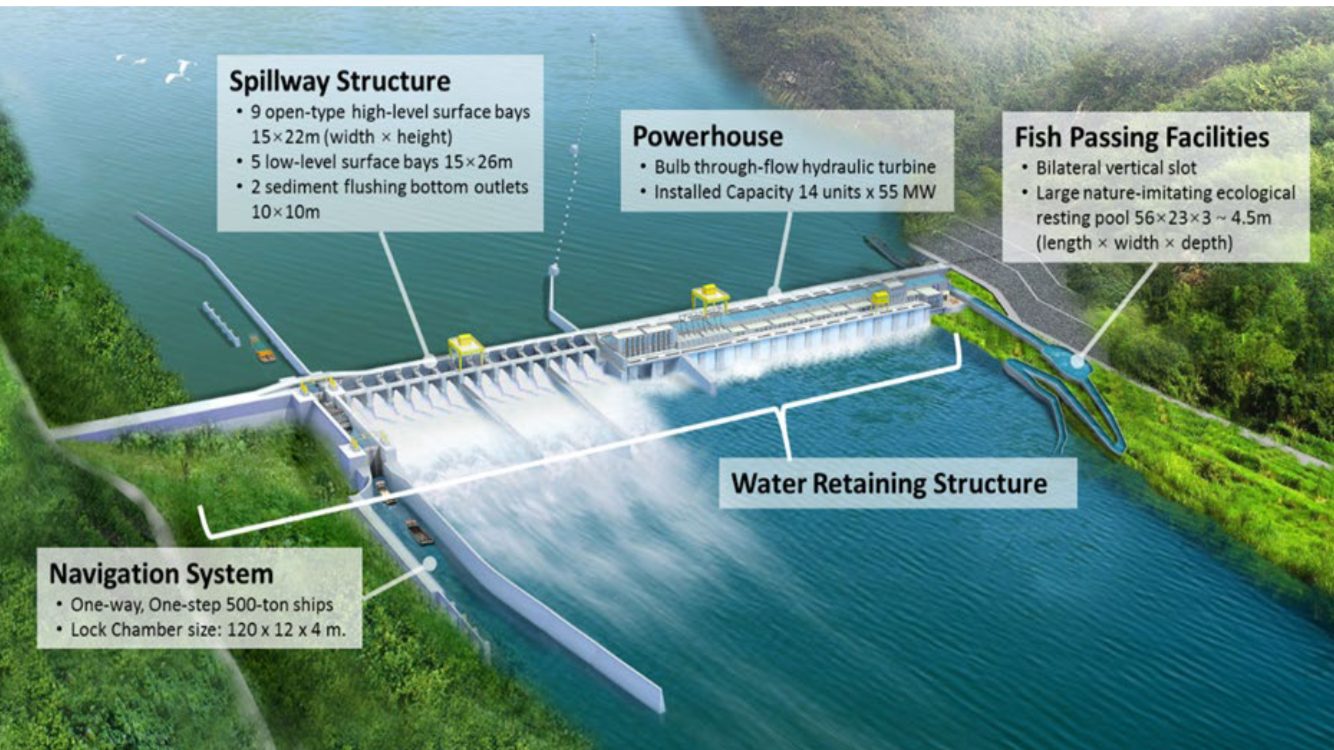
Credit: Pak Lay Power
Around 218 km downstream of Luang Prabang Dam lies the fourth dam in the cascade and the fourth project proposed to the MRC for prior consultation.
Pak Lay Dam is set to be located on the Mekong River in Pak Lay District, Xayaburi Province, around 112 km downstream of the Xayaburi Dam and just 86 km upstream of the Thai-Lao border in Loei Province, northeastern Thailand. The dam will be a run-of-river project with an installed capacity of 770 MW, according to the MRC.
The project was submitted for prior consultation in August 2018, which was completed in early April 2019. During the consultation period, Thailand requested that Laos pay special attention to “potential socioeconomic and environmental transboundary impacts on affected communities in eight Mekong riparian provinces,” given the project’s proximity to the border.
In April 2022, around the same time that machinery was being moved in for the Pak Beng project pending PPA endorsement, the Chinese developer was also reported to have begun preparations for the construction of the Pak Lay Dam, according to an official from the Energy and Mines Department of Xayaburi Province, as cited by Radio Free Asia. The same news agency further reported that the developer had been preparing to build an access road, a workers’ camp, and a power source at the site since late 2021.
The project’s power purchase agreement was eventually signed on March 20, 2023 — the same day that PM Prayut declared the dissolution of the House.
Fair Finance Thailand, a financial governance advocacy group monitoring investments in Mekong dam projects, stated that since the PPAs for Pak Beng and Pak Lay were signed in 2023, very little information has been made publicly available regarding the progress of their Joint Action Plans (JAPs) and the measures taken to address transboundary impacts.
At a meeting held in October 2023 between the MRC, the Lao government, and dam developers, the MRC reported that developers had outlined a number of design changes and additional investments to “avoid, minimise, and mitigate” potential adverse impacts on fisheries, sediment flows, dam safety, and river flow regimes.
The TNMC officials said the Pak Lay Dam is currently at a similar stage to Pak Beng, undergoing design revisions.
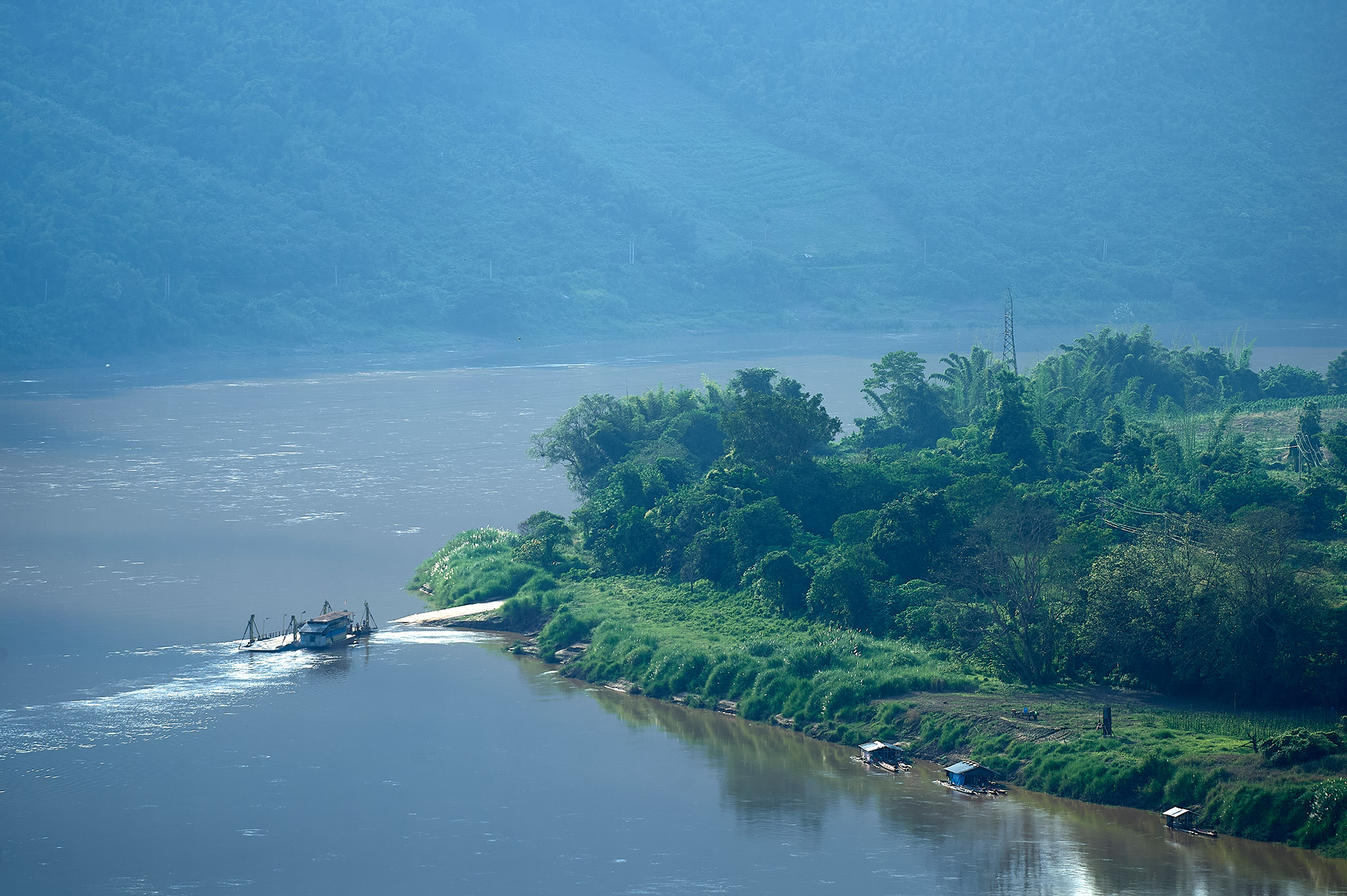
Photo: Sayan Chuenudomsavad
Sanakham the Sixth
Approximately 84 km further downstream from Pak Lay Dam, and just 2 kilometres upstream of the Thai-Lao border in Loei Province, lies the fifth dam in the Lower Mekong dam cascade and the sixth project proposed to the MRC for prior consultation.
Sanakham Dam was expected to begin construction in 2020 and to be completed and operational by 2028, with electricity also designated for export to Thailand. However, its prior consultation began in late July 2020, pending the conclusion of the Luang Prabang project, and has since lasted for more than six years without conclusion due to highly controversial concerns regarding impacts on Thailand’s territory and sovereignty.
According to the MRC, the dam site is set to be located on the Mekong River, about 25 km upstream from Sanakham District in Vientiane Province. It is designated as a 684-MW run-of-river dam, standing nearly 60 metres high and stretching nearly 1 km across the river.
However, as the site is located very close to the Thai-Lao border in Loei Province — just 2 km away and around 25 km from Chiang Khan, the region’s ecotourism hub —Thai communities downstream are highly concerned about dam safety and possible flash-flooding events. For the authorities, the primary concern is the country’s territory and sovereignty.
Since its PC was initiated, Thai authorities particularly those from the Office of National Water Resources (ONWR) have been negotiating with Lao representatives, requesting additional information to clarify these concerns, citing that the information submitted for the PC process for Sanakham was not adequate. A roadmap outlining timelines for the provision of relevant data, including hydrologic modelling, was also introduced to facilitate discussions between the two countries.
Thailand has sought to review modelling to assess transboundary impacts from rapid water fluctuations downstream of the dam, particularly those associated with electricity generation through “hydropeaking,” whereby large volumes of water are rapidly released downstream, especially during the dry season.
l A video clip introducing the Sanakham dam project was released by the MRC in November 2021 during a rapid assessment was conducted. Credit: MRC
A rapid assessment conducted in 2021 covering a 40-km downstream stretch indicated that the dam’s operations could cause severe erosion of riverbanks on the Thai side. This could affect the country’s territory and sovereignty, Mr. Chumlarp said, adding that it could also have an impact on the thalweg of the Mekong River, which forms the boundary between the two countries.
As a result, Thailand has proposed relocating the dam site upstream to a point where there would be no significant impacts on its territory, Mr. Chumlarp said.
“It’s very close. How will you operate the dam and manage water upstream so as not to affect downstream areas? The change in water and sediment flows will affect the Mekong’s physical features. The riverbanks will collapse, and the thalweg will shift — would that mean a change in the boundary?
“In short, do not build the dam here; move it away,” said Mr. Chumlarp.
At present, the PC for Sanakham has gone through national consultations and is pending a Joint Committee meeting, where MRC member countries through their representatives will consider the issues collectively before reaching a consensus on the project, Mr. Chumlarp told Bangkok Tribune. He added that the Energy Ministry has formally notified Laos that Thailand will not sign a PPA for this project until Laos clarifies the boundary issue.
“We are waiting for Laos’ response,” said Mr. Chumlarp.
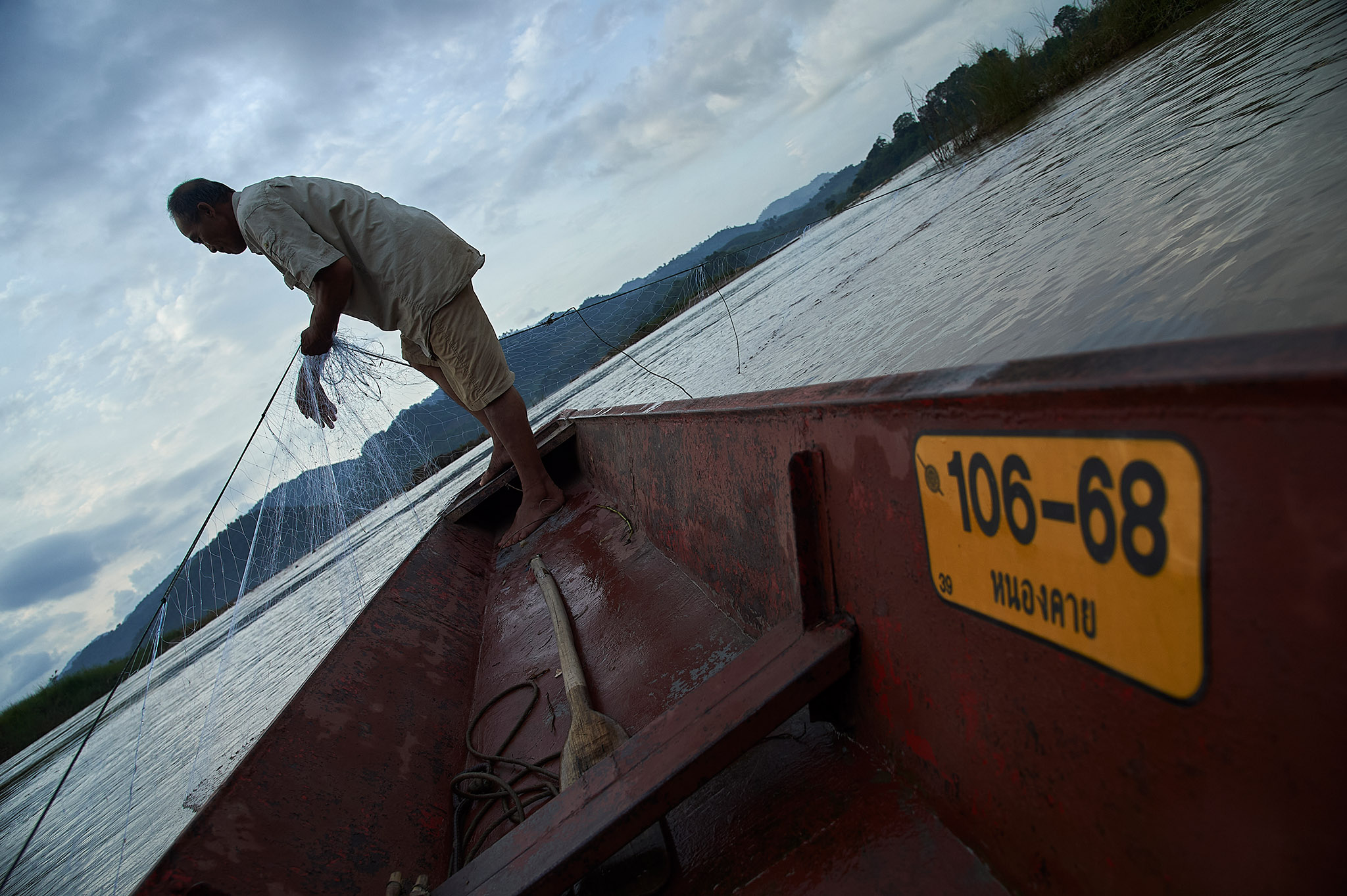
Photo: Sayan Chuenudomsavad
The ill signs
As the Sanakham Dam project draws close to its final stage, pending only a final round of consideration by the Joint Committee, 50-year-old fisherman Sudta Insamran of Ban Muang village in Sangkhom District, Nong Khai province — about 80 km downstream from the Thai–Lao border — has become increasingly concerned about its progress.
Paddling slowly to his fishing grounds to retrieve a net he had cast earlier that morning during the dry season, he finds himself unable to catch any fish, despite the area being part of one of the Mekong’s fertile feeding and breeding grounds known as Phan Khod San Khrai, a complex system of rock outcrops, shrubs, and rapids spanning more than 5 km.
“The water is no longer like what we once knew. It is supposed to drop now, but it does not, despite this being the dry season. I do not know whether the fish have lost their sense of the seasons, like us,” said Mr. Sudta.
For years, the community-based economy supporting millions of people in the Lower Mekong Basin has been squeezed by macroeconomic growth driven by energy development. Local livelihoods, including those of fishers like Mr. Sudta, have been increasingly affected by dams, particularly those on the mainstream. The closest dam he has experienced is Xayaburi, although it is located nearly 300 km away.
Mr. Sudta recalls how the Mekong River was significantly disrupted when this first dam on the lower mainstream became operational in late 2019. A few months before its operation, he witnessed a sharp drop in water levels — up to 3–4 metres — despite it being the rainy season. It was widely speculated that Xayaburi Dam was testing its systems. Since then, water fluctuations resulting from dam operations have become a regular phenomenon that fishers like him must endure.
On some days, when water levels rise sharply, his fishing nets are swept away. The experienced fisherman has lost some of them already. A quality fishing net costs thousands of baht — an expense that is increasingly difficult to bear, as his annual income has dropped from 150,000–160,000 baht to just 4,000–5,000 baht (US $120–150) in recent years.
“The fish do not come. Pla Earn has not come up from Tonle Sap yet. They may have lost their way somewhere, I guess,” said Mr. Sudta, while retrieving his net.
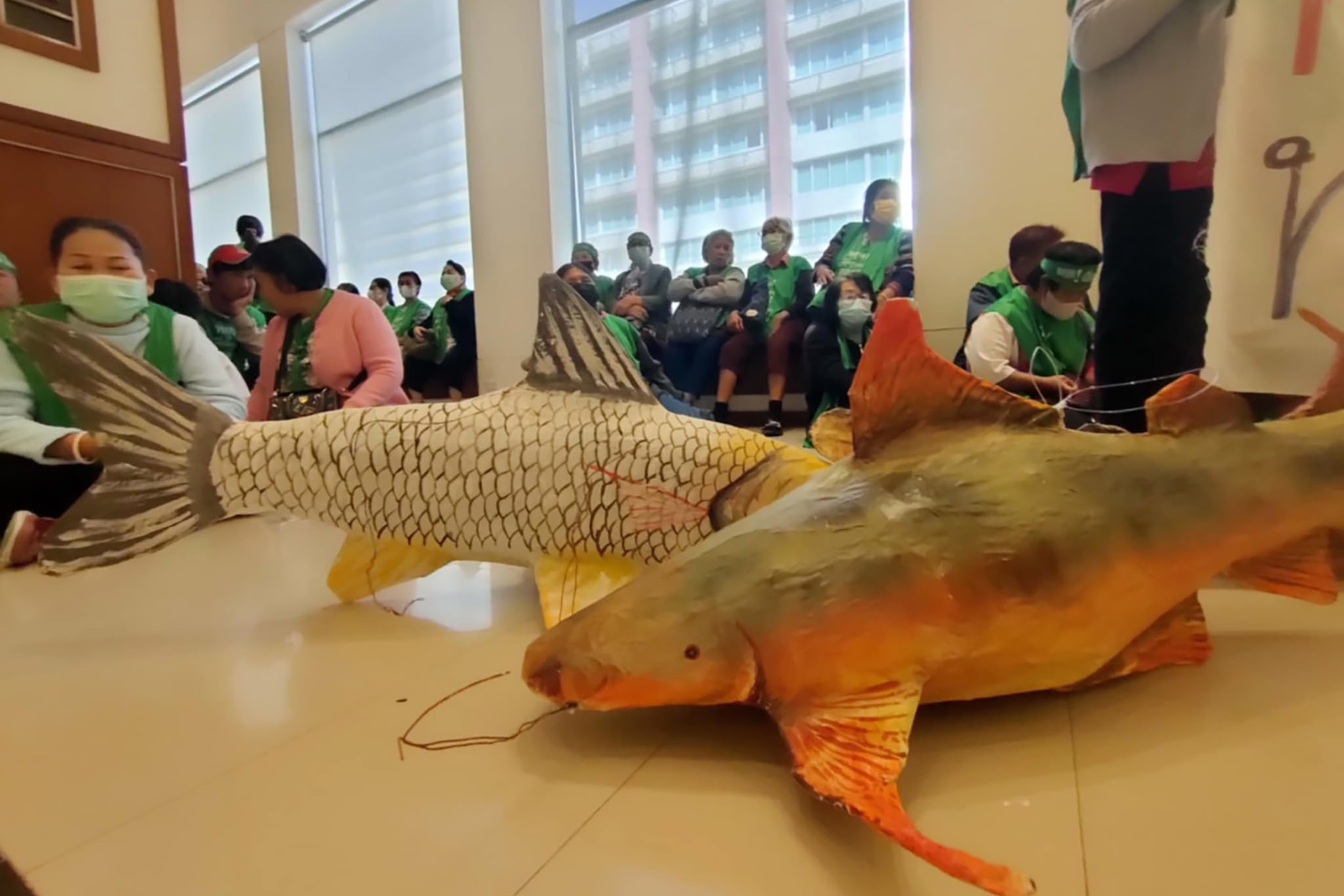
Pla Earn, or Jullien’s golden carp, which Mr. Sudta is waiting for, is one of the key fish species in the Lower Mekong. It is a seasonal migratory species that typically travels upstream at the beginning of the dry season to fertile areas, including Phan Khod San Khrai. In fact, one-third of Mekong fish species are migratory.
Beyond the disappearance of familiar fish species, Mr. Sudta has also observed a persistent decline in water levels in the Mekong, particularly during the rainy season. Some studies, including those by the U.S.-based Stimson Center, attribute this to extensive water retention by large upstream dams in China.
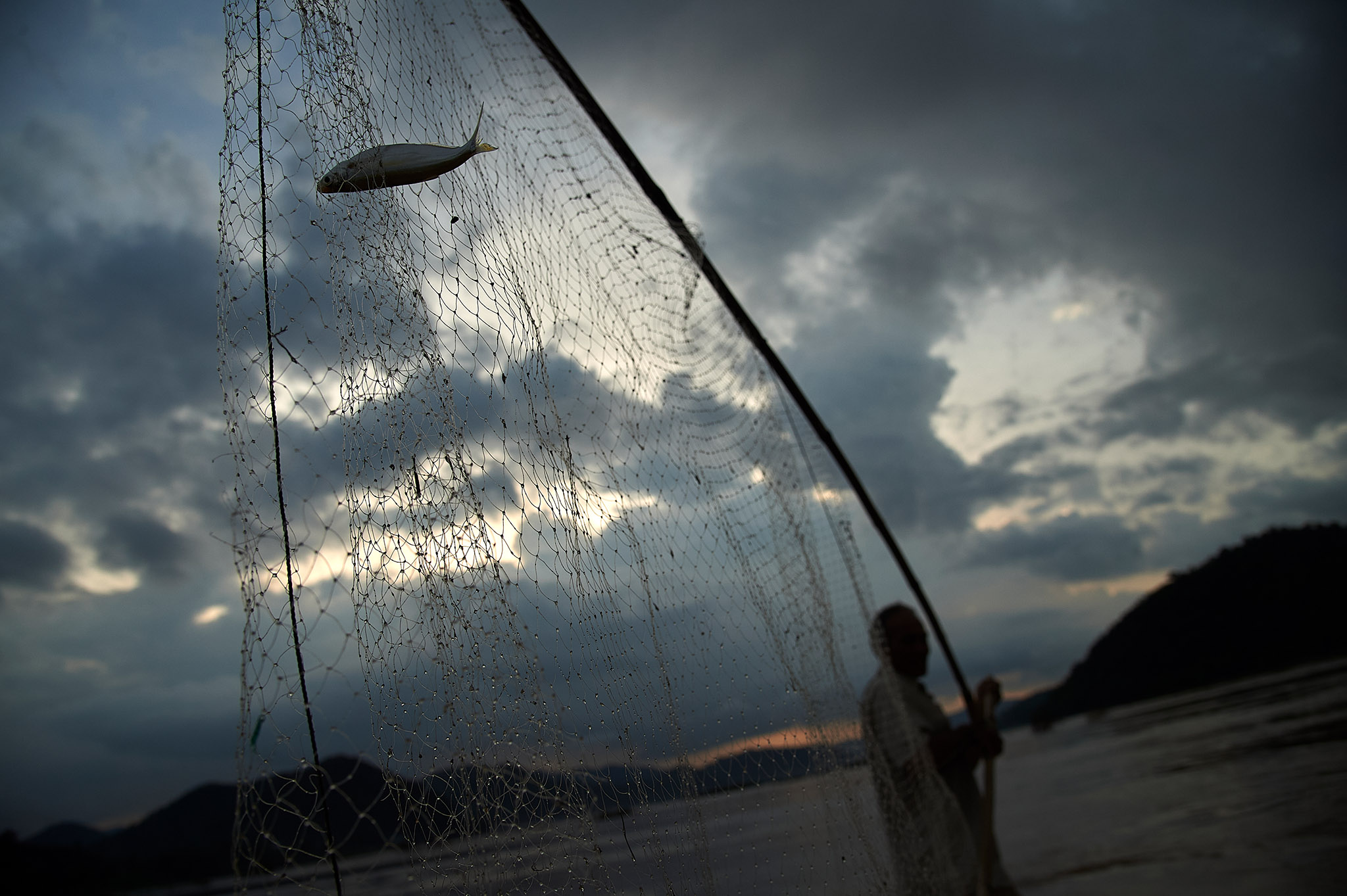
Photo: Sayan Chuenudomsavad
The peril
Beyond mainstream dams in the Upper Mekong in China, interest in hydropower development in the Lower Mekong Basin — driven by rising private investment — has increased since the mid-2000s, prompting an acceleration of dam construction on the lower mainstream.
At least 11 mainstream hydropower projects, mostly revived from plans dating back to the 1970s and 1990s, have been proposed for this lower section of the Mekong — seven in Laos, including two located along the Lao–Thai reaches of the river, and two in Cambodia. Another water diversion project in southern Laos was proposed alongside them but was later dropped from the plan. Together, they would have a total intalled capacity of approximately 14,700 MW.
Along with other dams built and planned on tributaries, the basin has been punctuated by a total of 122 dams so far: 88 are operational, with an installed capacity of more than 13,257 MW; another 20 are under construction; and 14 are in the planning phase. If all of these projects are completed, the region’s total hydropower capacity could more than double, reaching 27,302 MW, according to the MRC.
Laos is the Mekong country that holds the largest share of these projects, with 98 of them accounting for 64% of the region’s total installed capacity. With its hydropower infrastructure, Laos has dubbed itself the “Battery of Asia,” wishing to use this potential to drive its economy.
The rush to push these dam projects on the lower mainstream prompted the Mekong countries through the MRC to finally agree to conduct the first comprehensive Strategic Environmental Assessment (SEA) to assess the cumulative impacts of these projects through 2030. The assessment released its findings just a week before the first Xayaburi dam was pushed through the PC.
Of particular concern was the substantial trade-off between the benefits of hydropower and the loss of the Mekong’s ecology, fisheries, and local livelihoods.
According to the MRC, the Mekong Basin ranks third in the world in terms of fish biodiversity, with 1,148 fish species reported, compared with the Amazon and Congo river basins. The SEA noted a lower number of Mekong fish species at 781, based on FishBase, a global reference database backed by scientific studies and publications. Its lower basin is also the world’s largest inland capture fishery, with total fish catch estimated at 2.3 million tonnes and US $11 billion per year.
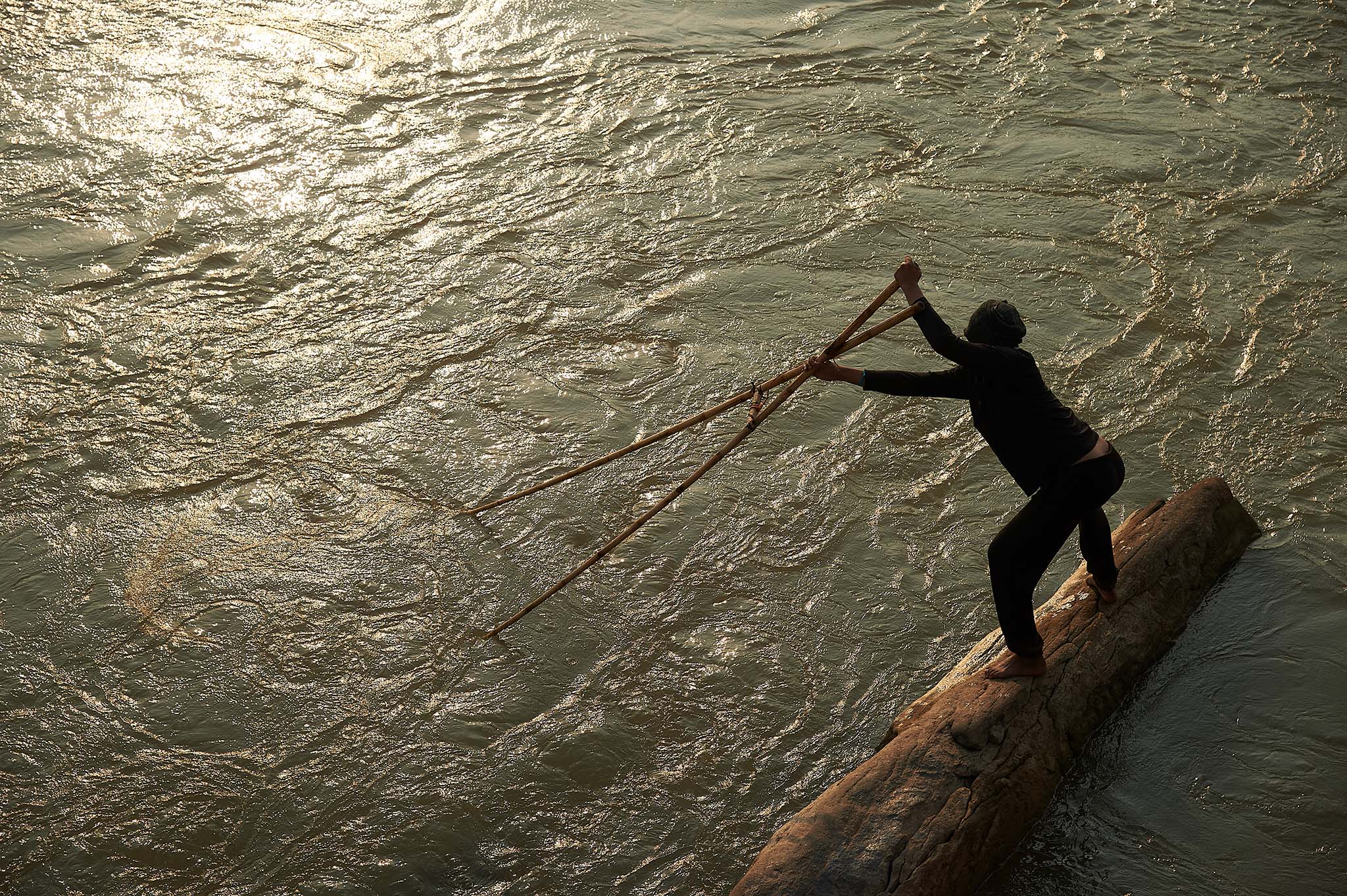


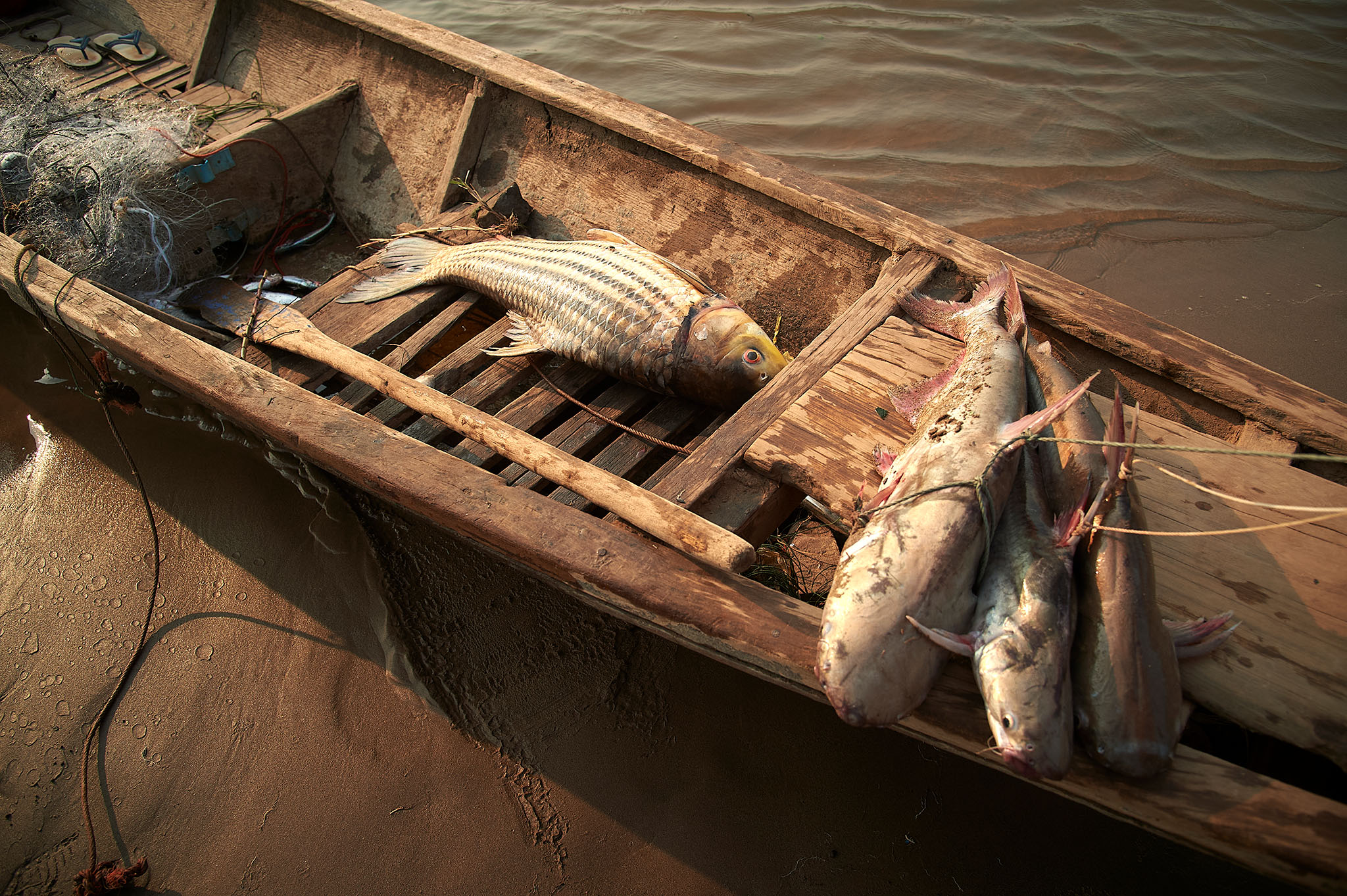
Photos: Sayan Chuenudomsavad
According to the SEA’s findings, the lower mainstream projects would pose many serious risks and uncertainties to issues of strategic economic, social, and environmental concern to the Mekong countries and communities, and to the sustainable development of the basin.
The SEA team shared particular concerns regarding ecosystem integrity and diversity, as well as fisheries and food security. They noted that the projects would induce significant basin-wide effects on the Mekong ecosystems and further exacerbate wide-ranging threats already resulting from existing dams upstream and on tributaries. They would also sever “longitudinal” connectivity of river-dependent ecosystems, compartmentalising them into smaller and far less productive units.
While the dams upstream in China and on tributaries would reduce the depth and duration of flooding in floodplains, which are vital for sustaining Mekong ecosystems downstream, through seasonal flow regulation, the lower mainstream projects would affect flooding through their reservoirs, converting 55% of the Mekong River into reservoir systems with the potential to cause significant and rapid fluctuations in downstream water levels on daily and even hourly timescales.
Furthermore, the overall development of hydropower on the mainstream and tributaries would significantly reduce sediment transport, which is vital for nutrient supply, and disrupt hydro-ecological seasons. All of these factors suggest the loss or reduction of important Mekong transitional seasons, as the flow regime would be disrupted.
The study further noted that the lower mainstream projects would lead to permanent losses of aquatic and terrestrial biodiversity of global importance, as well as irreversible degradation of the Mekong River’s ecology, which cannot be mitigated or compensated.
40% of wetlands, which play a critical role as breeding and feeding grounds in the lower basin, would be affected, and around 17% of these would be permanently inundated, the study noted. A number of charismatic Mekong River species would become extinct, it added.
These dams would fundamentally undermine the abundance, productivity, and diversity of Mekong fish resources, affecting millions of rural people who rely on them for nutrition and livelihoods. At least 340,000 tonnes of fish per year would be lost as a result of the projects, equivalent to 110% of the total annual livestock production in Cambodia and Laos, the study estimated. None of the existing fish passage facilities can accommodate the scale and intensity of mainstream fish migrations, the study pointed out.
The SEA study further noted that risks and losses incurred by Mekong ecosystems would result in increasing food insecurity for millions of people, with communities living within 15 km of the Mekong River being particularly affected, experiencing greater food insecurity due to the reduction in capture fisheries and net loss of subsistence agriculture and riverbank gardens. At least 2.1 million people, or 10% of those living within 5 km of the river, were expected to be most at risk, the SEA pointed out.
“Of those riparian communities directly and indirectly affected, the mainstream projects would lead to significant changes in access to and control over essential livelihood resources and ways of life — how they live, work, play and interact with one another on a day-to-day basis, their physical safety and the level of risk they are exposed to, and their culture — that is, their shared heritage, customs and values,” the SEA noted in one of its conclusions.
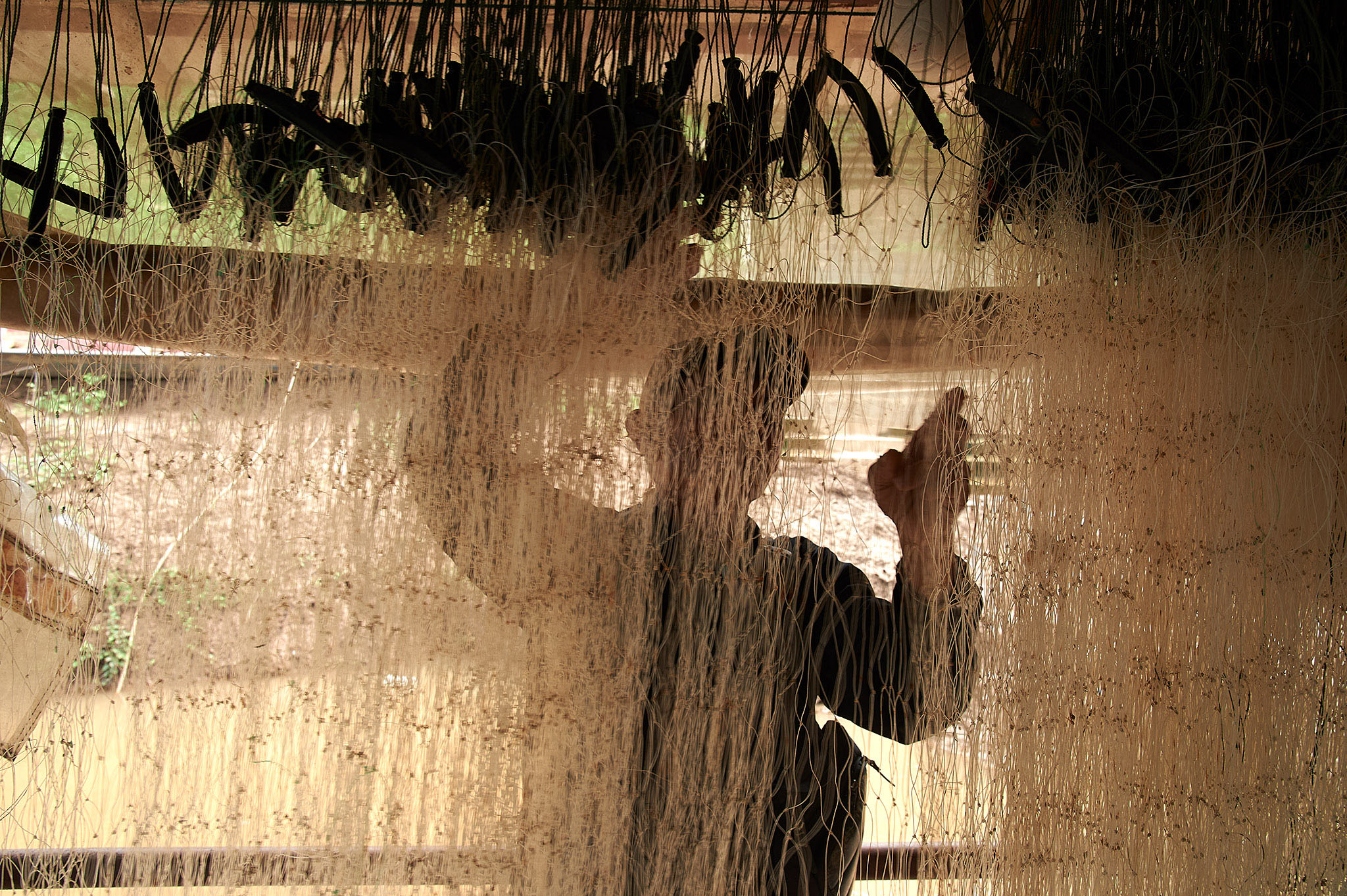


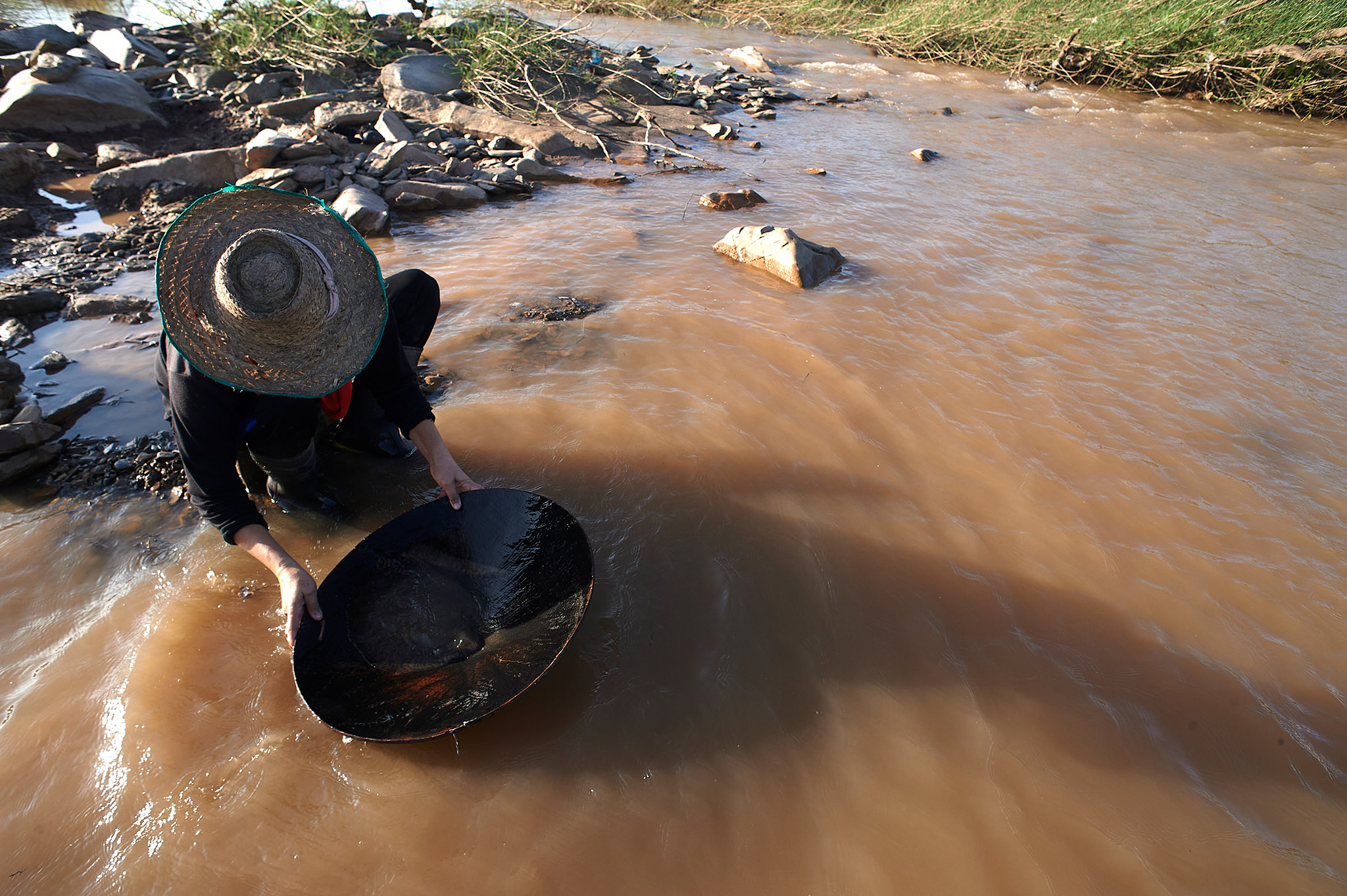
Photos: Sayan Chuenudomsavad
The SEA team recommended that Mekong countries defer the lower mainstream projects for 10 years, pending further studies on transboundary and cumulative impacts. Their recommendation was brought to the Prior Consultation (PC) meetings for the first proposed Xayaburi Dam by Cambodia and Vietnam, before Laos decided to proceed with the project after the PC ended in April 2011 — without a conclusion and amid differing views among MRC members.
Eight years later, in 2018, the MRC reassessed the cumulative impacts of water resources and hydropower development across the Mekong Basin, with a particular focus on lower mainstream projects. Its Council Study produced findings similar to those of the SEA.
In the 2040 long-term scenario, the Lower Mekong Basin could see economic gains of more than US $160 billion from full hydropower development, with all mainstream and tributary dams in place. However, these gains come with costs that appear to outweigh the benefits. The Council Study noted that a decline in fisheries could cost nearly US $23 billion over the same period. In addition, the loss of forests, wetlands, and mangroves may cost up to US $145 billion.
The study showed that full hydropower development by 2040 would seriously threaten the region’s ecology and economy, as well as local people’s access to sufficient nutritious food. It noted that substantial trade-offs between water, food, and energy would result from full hydropower development in the Mekong Basin, adding that this is largely because the future growth potential of all MRC member countries depends on the availability of natural capital, particularly soils, forests, and fish.
“The developments proposed are likely to reduce resilience and increase vulnerability of rural communities in the Mekong impact corridor (15 km radius), with the main benefits going to power companies and consumers mainly outside the corridor at the expense of fishing and rural households,” the Council Study noted in one of its conclusions.
According to the MRC’s latest Status of the Basin Report (SBR) in 2023, significant changes in the Mekong River are increasingly evident. The report noted that the flow regime of the Mekong River over the last decade has changed clearly and significantly.
Dry-season flows are higher, while flood-season flows are lower than in the past. The lower flood-season flows, the report added, are causing reduced reverse flows in major floodplains and wetlands, including Tonle Sap, one of the world’s most diverse and productive fisheries, particularly compared with the period before 2009.
This is of significant concern given the importance of this hydrological mechanism to wetland areas, fisheries and other aquatic animals, recession agriculture and rural livelihoods — not only around Tonle Sap, but also throughout the Mekong Delta, the report pointed out.
The report further noted that the timing of flood-season flows has also changed, with a delayed onset and a shorter flood season over the past decade compared with the previous 30 years, thereby affecting the onset of reverse flows to critical areas such as Tonle Sap.
The loss of wetlands and pressure on fish populations continue, with total fish catches across the lower basin declining in recent years, driven largely by reductions in catches from Tonle Sap, according to the report. So far, 14 Mekong fish species have been recorded as critically endangered (including the Irrawaddy dolphin and Mekong giant catfish), 21 as endangered, and a further 29 as vulnerable.
At the Xayaburi Dam, the MRC’s Joint Environmental Monitoring Programme was conducted in 2022 to examine the dam’s actual transboundary impacts. It recorded a sharp reduction in fish biodiversity by 40–60% across almost all sampling sites.
“Although this does not indicate that species have disappeared yet, they are too rare to appear and be recorded in catches. This pattern was somewhat expected as a result of hydropower plant development and overall human pressures on the river; however, the extent and speed of change seem extremely high,” the report noted.
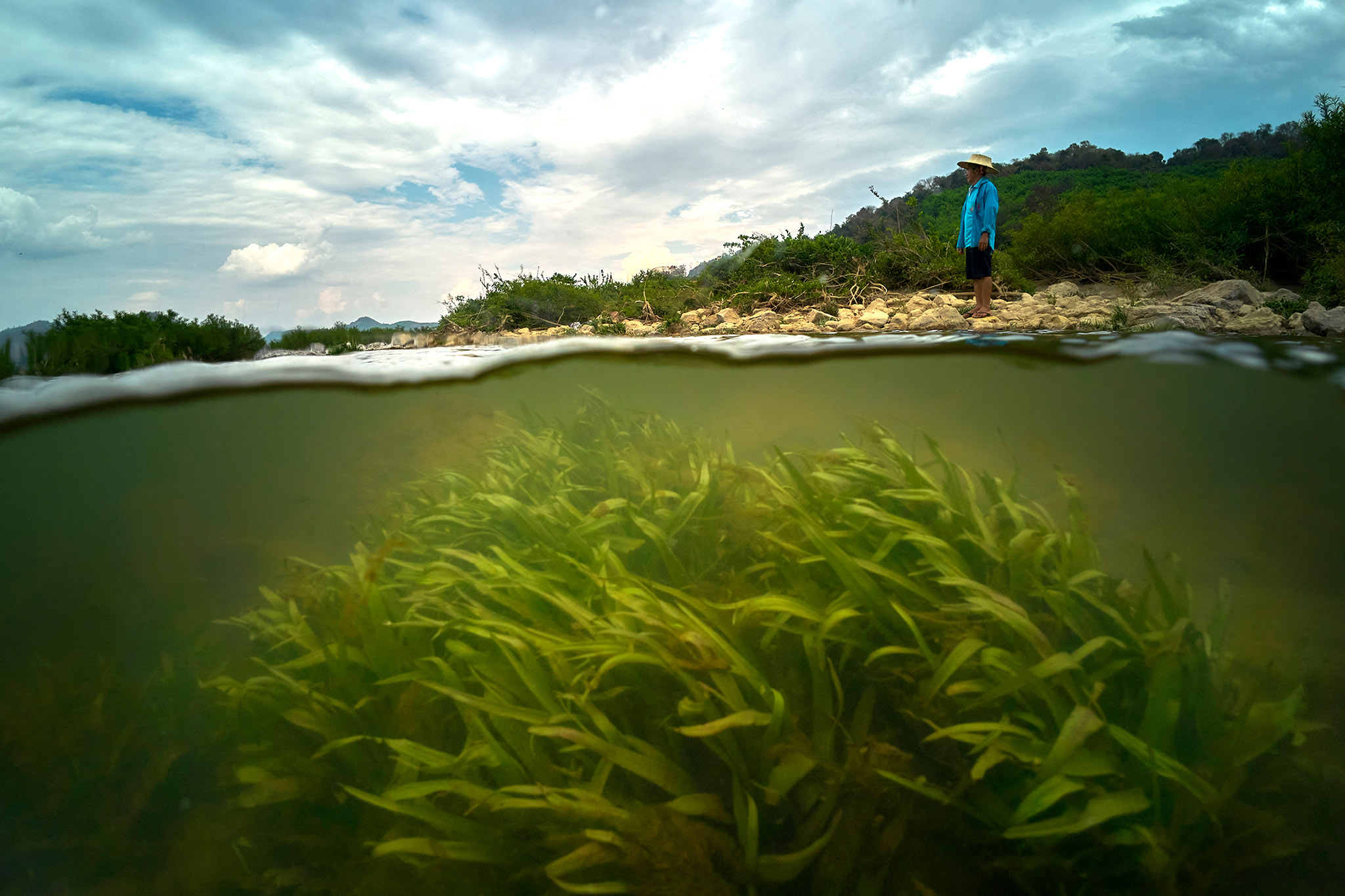
Photo: Sayan Chuenudomsavad
Complicated investments
While concerns grow over the substantial trade-offs between energy development and the Mekong’s ecology and livelihoods, little information on the progress and operation of Mekong dams has been made available to the public, complicating river governance and accountability.
In the Lower Mekong Basin, mainstream dam projects are pursued through complex investment arrangements involving a range of actors, including investors, dam developers, lenders, governments of Mekong countries and their state enterprises, and regional bodies such as the MRC.
Interest in hydropower development in the Lower Mekong has increased since the mid-2000s, particularly after the Lao government signed memorandums of understanding (MOUs) and project development agreements with foreign investors in 2006–2007 to develop five of its first dam projects: Xayaburi, Don Sahong, Pak Beng, Pak Lay, and Luang Prabang.
Laos had a clear policy of jointly developing its hydropower potential with dam developers for the social and economic benefit of the country. Beyond spurring economic growth, it aimed to use hydropower revenues to eradicate poverty. According to project documents, up to 7,000 MW was initially planned for export to Thailand.
Following the MOUs or project development agreements (PDAs), the Lao government later granted concessions of up to 30 years to dam developers to build and operate the projects before transferring them to Laos, a model known as BOT (Build–Operate–Transfer). Once investors or developers completed environmental impact assessments in-country, the Lao government would then submit the projects to the MRC to initiate the six-month Prior Consultation (PC) process.
As examined through EIA documents by Bangkok Tribune, the investors included Thai (CH. Karnchang Plc. (CKP) for Xayaburi), Malaysian (Mega First Corporation Berhad for Don Sahong), Vietnamese (PetroVietnam Power Corporation for Luang Prabang), and Chinese entities, including Datang International Power Generation (DTP) and its representative Datang (Laos) Pak Beng Hydropower for Pak Beng, as well as China National Electronics Import & Export Corporation (CEIEC) and Sinohydro Corporation for Pak Lay.
After these first five dams, Laos also signed MOUs for two additional projects: Sanakham with DTP, and Phou Ngoy with Charoen Energy and Water Asia (CEWA).
During project development, business structures have evolved, incorporating additional corporations from other projects or, in some cases, state enterprises from involved governments, such as Laos’ Electricité du Laos (EDL) and Thailand’s EGAT. Joint ventures have also been established and registered in Laos to represent dam developers.
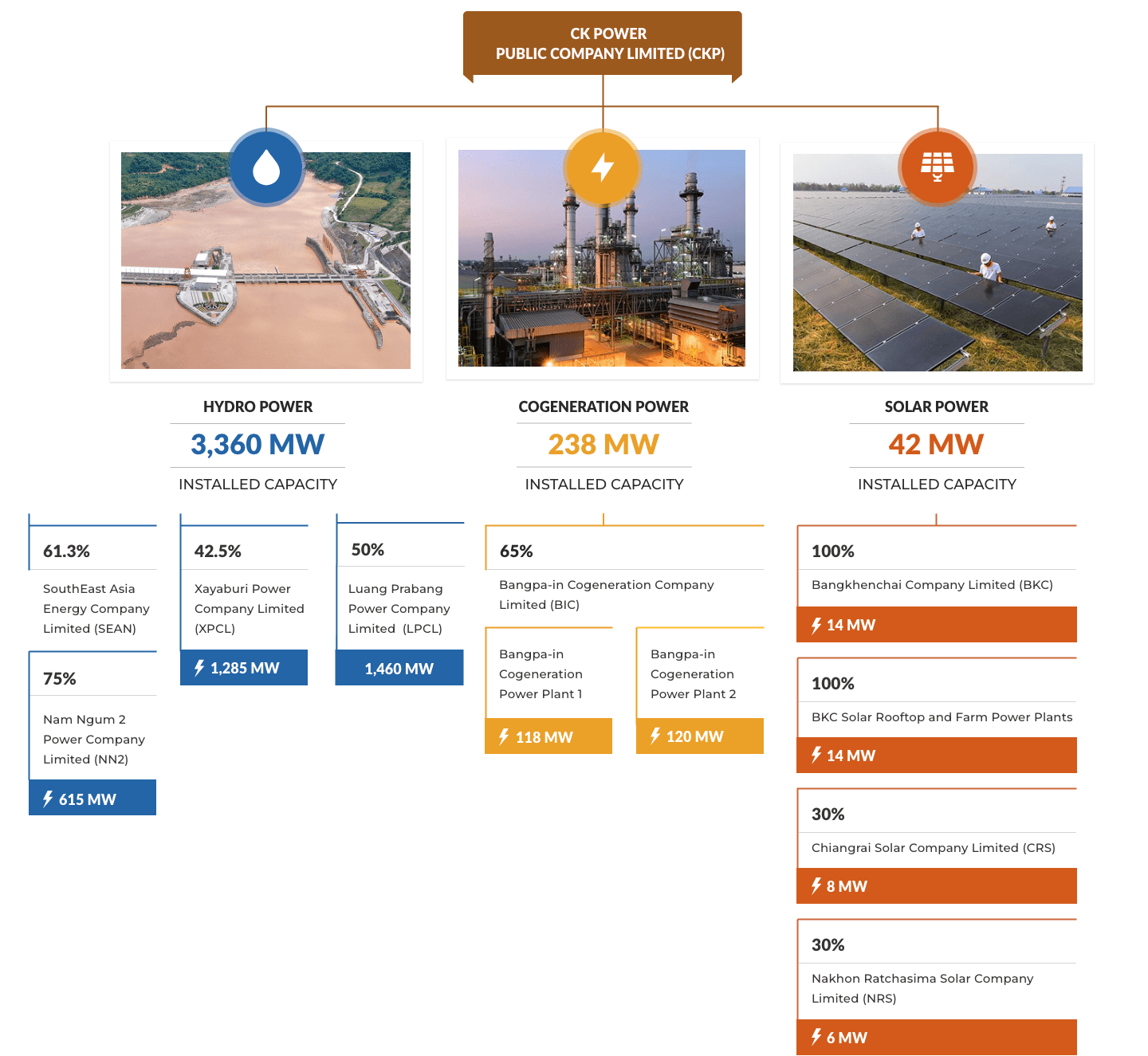
For instance, CH. Karnchang established Xayaburi Power in Laos in June 2010, a few months before the Lao government submitted the Xayaburi dam project to the MRC to initiate the Prior Consultation (PC) process in October of the same year. And a few months before the PC process ended without consensus among MRC members, CH. Karnchang established CK Power in Bangkok in early January 2011. It used the company to operate the business of production and distribution of electricity generated from various energy sources, according to the company’s website.
CK Power was then converted into a public company in early February 2013 and began trading on the Stock Exchange of Thailand on July 18, 2013, with registered capital of Bt 5,500 million. CK Power now holds 42.5% of shares in Xayaburi Power. Other shareholders include Laos’ EDL, EGAT, Natee Synergy, and others.
The company also holds 50% of shares in Luang Prabang Power, also registered in Laos, to build and operate the Luang Prabang Dam. Other shareholders of the project include CH. Karnchang (10%), TTW Plc. (10%), PT (Sole) (10%), and Gulf Hydropower Holdings Private Limited (GHH) (20%), according to the company’s website. However, during the NEPC’s endorsement of the PPA in mid-2022, the shareholders reported to the NEPC comprised CK Power (42%), PT (Sole) (38%), PetroVietnam Power Corporation (10%), and CH. Karnchang (10%).
For Pak Beng, Gulf Energy Development Plc. (GULF), the parent company of GHH, holds 49% of shares in Pak Beng Power in Laos, together with China Datang Overseas Investment, the parent company of DTP, which holds 51%.
In the case of Pak Lay, as also reported to the NEPC in 2022, GULF held a 40% stake in Pak Lay Power in Laos together with Sinohydro, which held 60%. GHH later acquired Sinohydro’s 60% stake in July last year, suggesting that GULF directly and indirectly holds a 100% equity stake in Pak Lay Power, according to its notice to the SEC.
Credit: Xayaburi Power
The 2010 SEA noted in its early findings that up to 96% of power demand from Lower Mekong mainstream dams came from Thailand and Viet Nam, and that these two countries were expected to purchase close to 90% of the power generated. It pointed out that if Thailand and Viet Nam decided not to purchase mainstream power, the projects — all designed for export — would be very unlikely to proceed.
Thailand has signed memorandums of understanding (MOUs) with Lao PDR over the years to purchase electricity from hydropower projects in Laos, with a ceiling that has been raised to 10,500 MW from the previous 9,000 MW, according to the NEPC. As of last year, electricity imports already accounted for 6,235 MW, or 12% of the country’s installed capacity, according to the Energy Policy and Planning Office (EPPO). In the draft 2024 Power Development Plan, Thailand planned to increase this share from 7% to 15%.
As noted by the EPPO, peak electricity demand this month reached about 34,620 MW. By the end of last year, the country’s installed capacity had already reached 54,336 MW, indicating a significant surplus over the typical power reserve margin of 15–20%.
Energy authorities reporting at the 2022 NEPC meeting viewed hydropower as a cheaper renewable energy source than others. This would help reduce costs as the share of renewable energy is expanded in the future, they noted during the meeting.
But all these complex investments and arrangements have frustrated local residents like Mr. Sudta, who has no idea who should be held accountable for the deterioration of the Mekong River and its ecosystems.
“I don’t know who I should talk to; people say they are Lao dams,” said Mr. Sudta when asked how he would oppose Sanakham and other dams. Clenching his teeth and gazing into the distance while driving a long-tailed boat back to the riverbank, he said: “But I will still fight, although I don’t know how.”
Credit: Mekong Butterfly
The flawed Prior Consultation
Under such complex investment arrangements, Mekong dam projects often elude public scrutiny through the formal procedures under the Procedures for Notification, Prior Consultation and Agreement (PNPCA).
Under these procedures, five lower mainstream projects have been initiated and completed the Prior Consultation (PC) process: Xayaburi (Oct 2010–April 2011), Don Sahong (July 2014–Jan 2015), Pak Beng (Dec 2016–June 2017), Pak Lay (Aug 2018–April 2019), and Luang Prabang (Oct 2019–June 2020). Among these five projects, Joint Statements and Joint Action Plans for three projects, Pak Beng, Pak Lay, and Luang Prabang, have been developed and are being implemented.
According to the MRC, the PC process for Sanakham has been ongoing since mid-2020, as additional data collection and studies were required following the agreed roadmap put in place in 2023. For Phou Ngoy, its documents were submitted by Laos to the MRC for PC initiation in 2020, but the commencement date has not yet been determined, pending additional data collection and studies required from its developer, as agreed in its roadmap as well.
Prior Consultation, therefore, forms a critical part of the MRC’s procedural rules on water use of the Lower Mekong mainstream under the PNPCA.
Under these rules, as noted by this regional water diplomacy organisation, any infrastructural project using mainstream water during the wet season between two basins, and during the dry season within the same basin, must undergo the PC process. Only the use of water during the dry season between the two basins requires the full PNPCA process, which requires ultimate agreement from all MRC members — the action has never been taken yet.
Projects subject to the PC process include large-scale irrigation and hydropower developments, which may cause significant impacts on the environment, water flow regimes, and water quality of the Mekong mainstream.
The MRC notes that any member country intending to proceed with a project is required to notify the other countries and provide available data and information. This process enables notified countries to assess possible impacts on their territories and provide comments on the proposed use. National and regional consultations are also required as part of the process.
The process is the only official set of rules governing the use of the Lower Mekong mainstream applied across all MRC member countries. The MRC has repeatedly stressed that the process is for member countries to reach “an agreement on how the consulted case should proceed.” In other words, “it is not meant to approve or disapprove the proposed project,” the MRC states publicly.
Through the Joint Committee, the main body overseeing the process, the PC is aimed at “reaching an agreement to achieve optimal use and prevent waste of water, and to issue a decision that contains agreed-upon conditions for the project,” the MRC states.
If the JC cannot reach an agreement on the PC, it may refer the matter to the higher governing body, the MRC Council, which consists of ministerial representatives from member countries. If the Council cannot make a decision, it may refer the issue to the governments of the four countries to seek resolution through diplomatic channels or international law, according to the MRC.
Since its first application in the Xayaburi case, the process has faced challenges from the outset. While the PC for Xayaburi was ongoing, the Bangkok Post Sunday exposed that extensive preliminary work on the ground — including road construction and preparation for the relocation of riverine communities around the dam site — was already being conducted.
This also appears to have occurred in the Pak Beng project, where one access road to the dam site near Pak Nguey village was completed just a month after the conclusion of its PC. Construction of another road on the opposite side of the river was already 60% complete in December 2016, around the same time the PC was initiated, along with other activities, including compensation and relocation of affected communities, according to project documents.
The process has encountered major challenges in recent years in the Luang Prabang and Sanakham dam projects, where the postponement of PC initiation and consideration by the JC has occurred. The PC for Sanakham has lasted for more than six years and no longer adheres to the six-month timeframe due to high controversy and growing differences of views among MRC member countries.
Credit Ubon PR
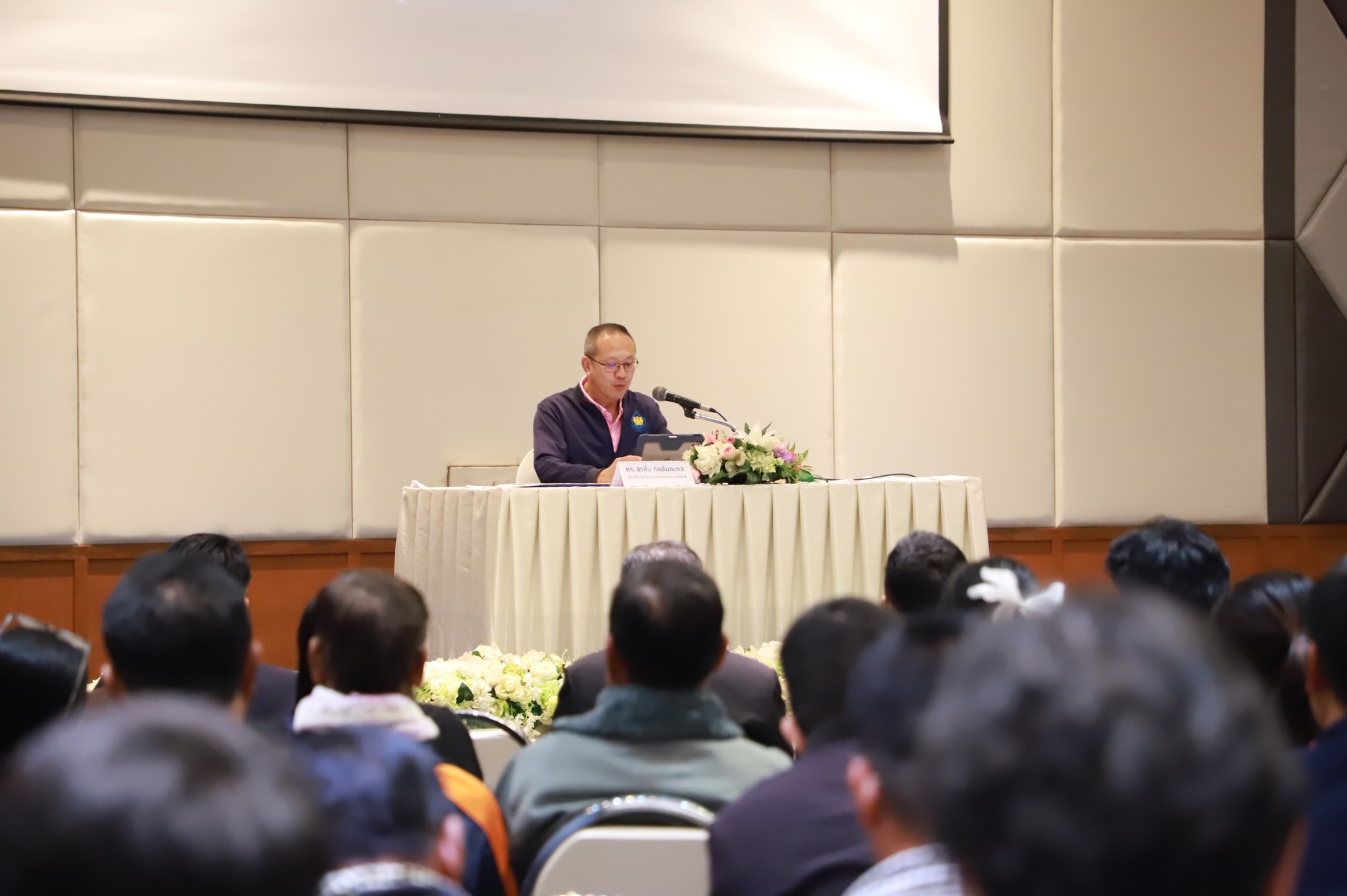
Former ONWR Secretary-General and Chair of the JC, Dr. Surasee Kittimonthon, told Bangkok Tribune that Prior Consultation is based on “consensus,” further explaining that if countries do not agree with a project, no conclusion will be reached.
As a senior official dealing with growing controversy in the Sanakham case, Dr. Surasee acknowledged difficulties in concluding the PC during his tenure. As JC Chair, he initiated a new mechanism, including a roadmap outlining timelines for the provision of relevant data to improve accountability and transparency.
Still, Thailand required additional bilateral negotiations and other mechanisms outside the MRC framework. Following discussions with relevant authorities, the Thai government eventually instructed EGAT to postpone signing the power purchase agreement for Sanakham, pending clearer information on transboundary impacts from Laos and the dam developer. This, he said, was made possible through political will.
Dr. Surasee agreed that PC should help resolve controversies or disputes among Mekong countries, adding that the roadmap was an initial step toward improving the process based on real-world conditions. However, he acknowledged ongoing challenges, noting that national benefit considerations remain a major obstacle to effective water diplomacy in the basin.
“You gain benefits while others are severely affected. How can we still say ‘One Mekong, One Spirit’? We have not yet looked beyond our boundaries and interests when we come together in the PC process. Only then can maximum benefits for all and the spirit of the basin be achieved.
“If there are severe impacts from our actions, we should stop. This is because if our basin is severely affected, the damage would be irreversible, and our regret would be meaningless,” said Dr. Surasee.
Poonsak Chanchampee, former Chair of the House Standing Committee on Land, Natural Resources and Environment, who has examined Mekong dam issues, said the problem reflects the growing complexity of transboundary environmental challenges.
As such, the structure and procedures of the MRC appear to fall short in addressing these challenges. The MRC needs to overhaul its structure and rules and regulations, or alternatively, a new transboundary mechanism — possibly under ASEAN’s human rights framework — should be introduced to address regional cases.
“The MRC is too passive to deal with the growing challenges we face. We need a new mechanism with a legitimate final decision-making power. To achieve this, we must first shift our mindset, focusing more on a precautionary approach such as Strategic Environmental Assessment rather than rehabilitation and compensation,” said Mr. Poonsak.
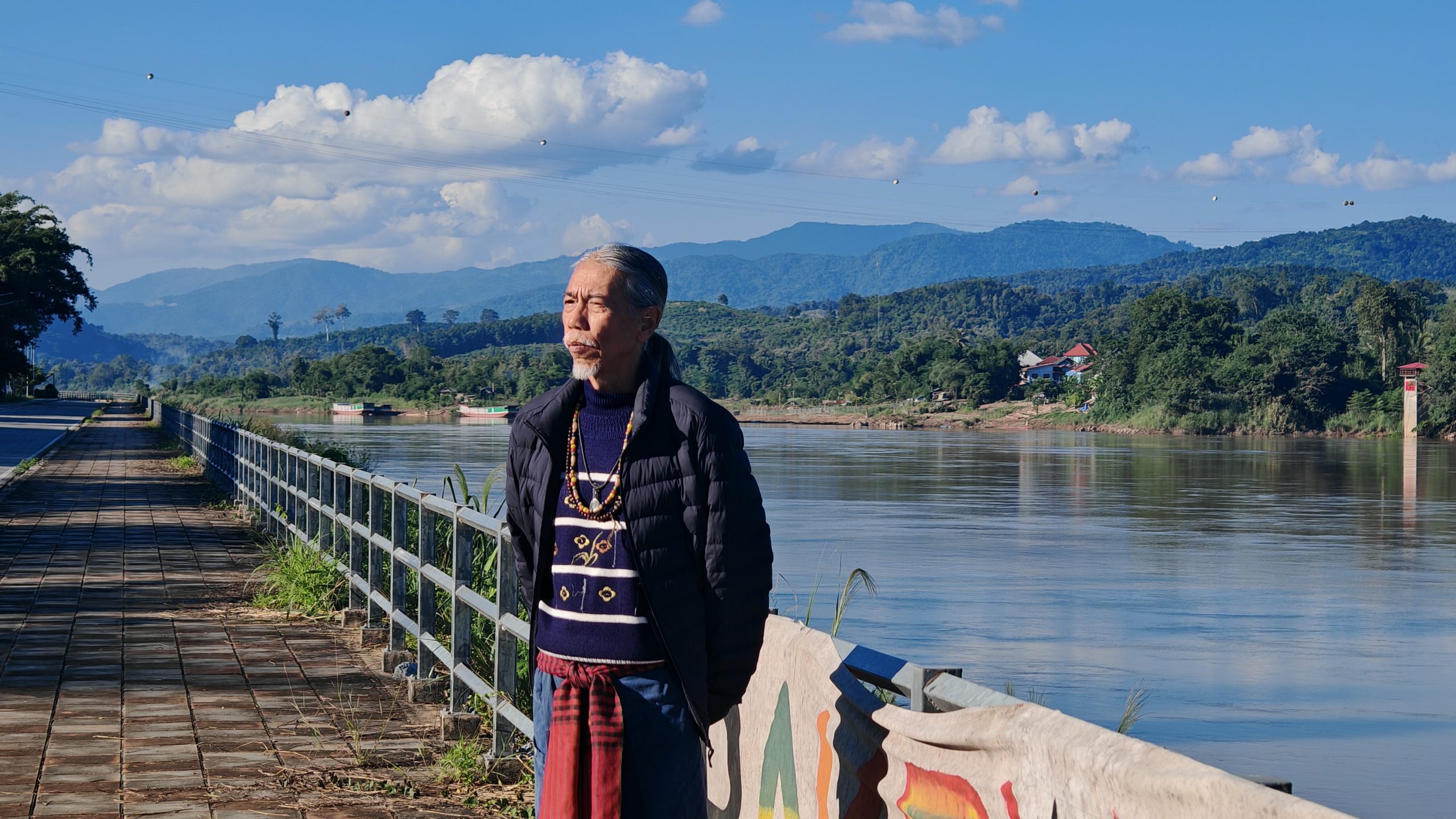
Photo: Piyanan Jitjang

Photo: Sayan Chuenudomsavad
For local residents and civil society groups such as the Rak Chiang Khong Conservation Group, led by 2022 Goldman Environmental Prize recipient Niwat Roykaew, and the Mekong People’s Network in Eight Provinces — which has been fighting against Mekong dams since the first upstream dams in China in the late 1990s and the first downstream dam, Xayaburi, in the 2010s — the river governance and institutional shortcomings are long familiar.
Montree Chantawong, a founder of Mekong Butterfly, which has been monitoring the work of the MRC and the PC processes since the first dam projects and advising civil groups, said the MRC was created with a focus on promoting development in the first place. As such, the rules and procedures that followed, including the PC, are often seen as “rituals,” a view shared by several civil groups in the basin.
As a result, development projects under the MRC framework tend to be accountable not to affected communities, but to donors and governments financing the institutions like MRC, he said. To improve accountability and transparency, greater access to information and stronger public participation in basin development are needed, he added.
For Ormbun Thipsuna, also co-founder of the Mekong people’s network, this is well understood, as she and other Mekong residents have had to take their case to the Administrative Court to have their voices heard against the first dam, Xayaburi.
It was not until recent years, particularly in the case of Sanakham, that she and other Mekong residents affected by Mekong dams, including Xayaburi, have been allowed to participate more in consultations conducted under the PC process. What is consistently lacking from the process is meaningful participation of local people in basin development, she said.
“Problems in the Mekong basin are becoming increasingly complex, with investments that sometimes have no national boundaries but are transboundary. So do their impacts, and this is a major loophole in existing rules and regulations designed to address them.
“To uphold accountability and transparency so we can achieve sustainable development, people’s participation up to the decision-making level is needed,” said Ms. Ormbun, urging the MRC to reform itself by including representatives of local people affected by development.
Among past concrete proposals made by civil society were the establishment of a so-called Mekong Council, the appointment of civil society and community representatives to the TNMC, and amendments to the Mekong Agreement — all to no avail.
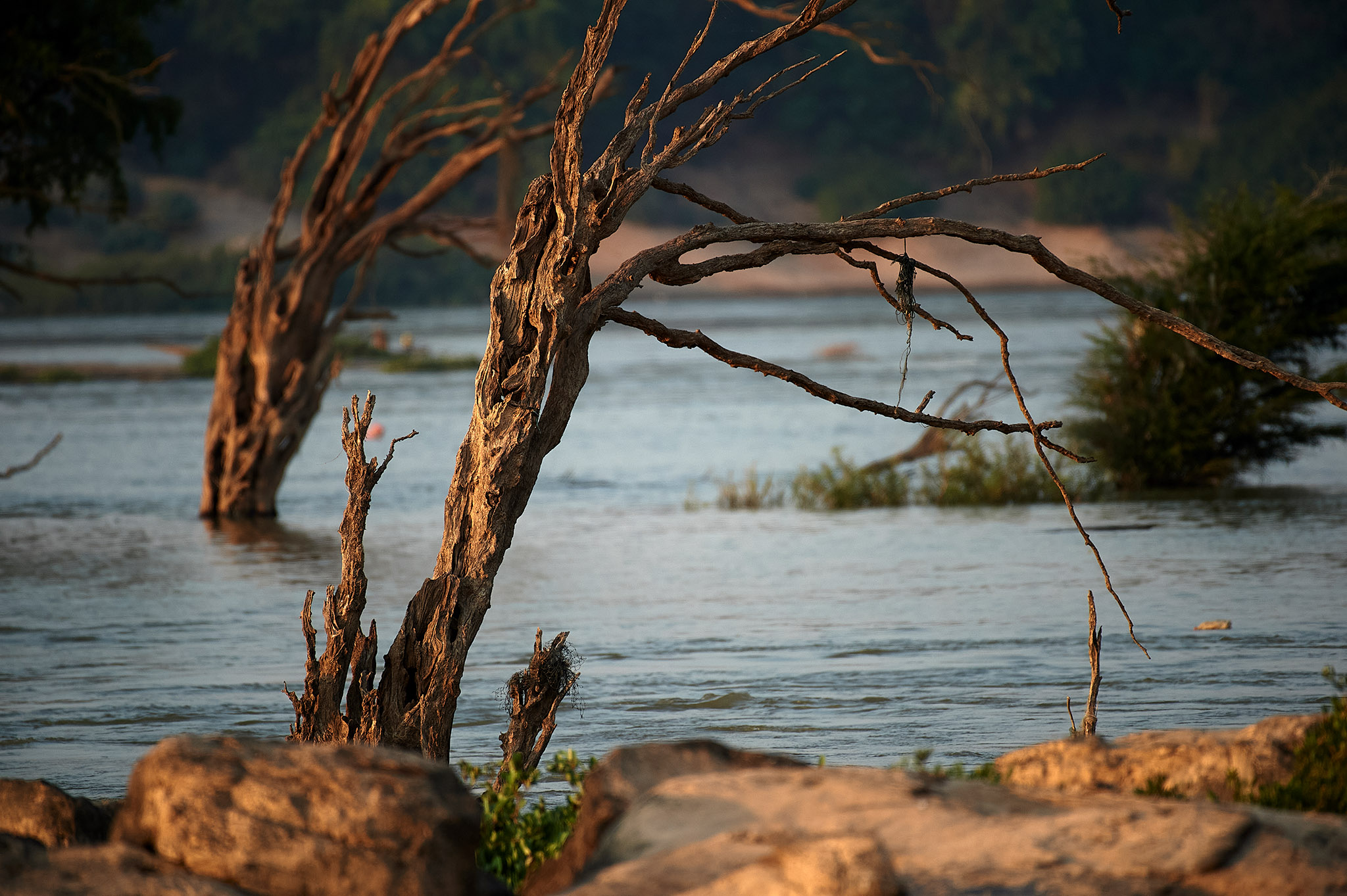
Photo: Sayan Chuenudomsavad
Piyanan Jitjang also contributed to the part concerning Pak Beng Dam.
Also read and see photos: PHOTO ESSAY: Phou Ngoy Dam, The Recurring Fear
This special report is part of the SPECIAL REPORT SERIES: Environmental Challenges under the Great Power’s Influences.


Founder/Editor
Bangkok Tribune Online News Agency
(Double Award Winner I 2014 SOPA AWARDS (Environment/Investigative Reporting))