
Critics say the TOR fails to address the root causes of the pollution crisis while compromising accountability, transparency, and the public’s rights to information and participation
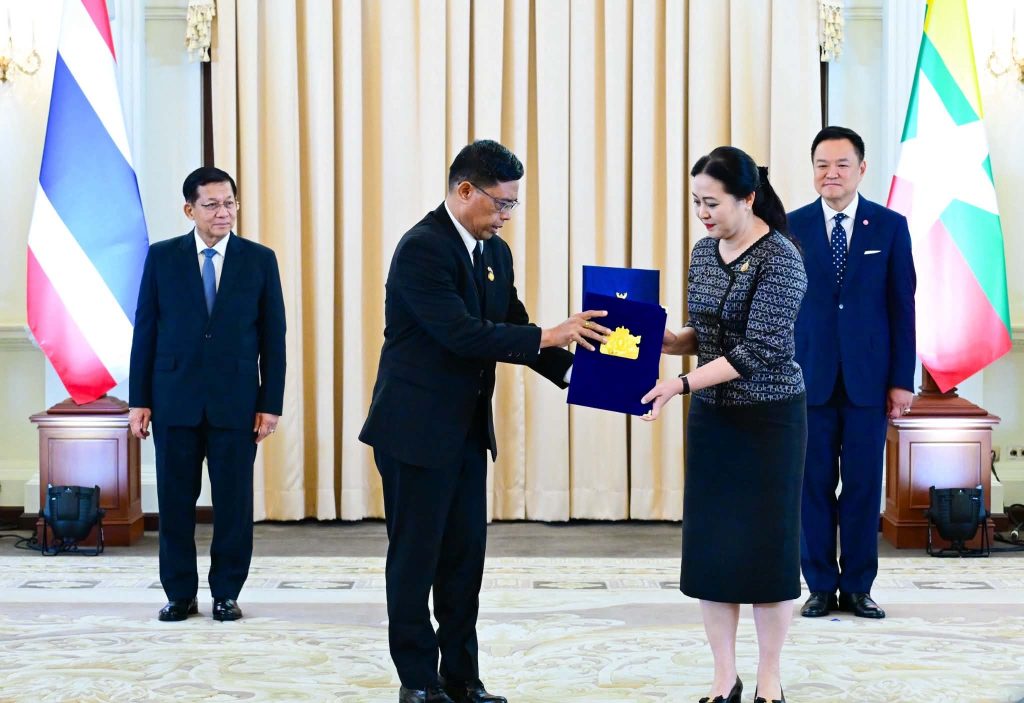
The governments of Thailand and Myanmar this week have reached an agreement to jointly address ongoing transboundary toxic river pollution affecting northern Thailand by signing the Terms of Reference (TOR) for the establishment of a Joint Working Group on Water Quality Management in Border and Transboundary Rivers. The agreement was made during the official visit of Myanmar’s President, Senior General Min Aung Hlaing, on August 6–7.
The TOR was signed by the two countries’ top environmental officials: Dr. Raweewan Bhurideti, Permanent Secretary of Thailand’s Ministry of Natural Resources and Environment (Monre), and her counterpart, Mr. Hla Maung Thein, Permanent Secretary of Myanmar’s Ministry of Natural Resources and Environmental Conservation. The signing ceremony was co-chaired and witnessed by Senior General Min Aung Hlaing and Thai Prime Minister Anutin Charnvirakul.
According to Monre, the TOR will establish a cooperative mechanism between Thailand and Myanmar to monitor and track water quality, exchange data and technical knowledge, and develop “coordinated” measures for the systematic management of water quality in border and transboundary rivers. The mechanism aims to facilitate prompt and effective prevention and remediation while minimising potential impacts on communities along the border.
The TOR will remain in effect for three years from the date of its signing by both parties.
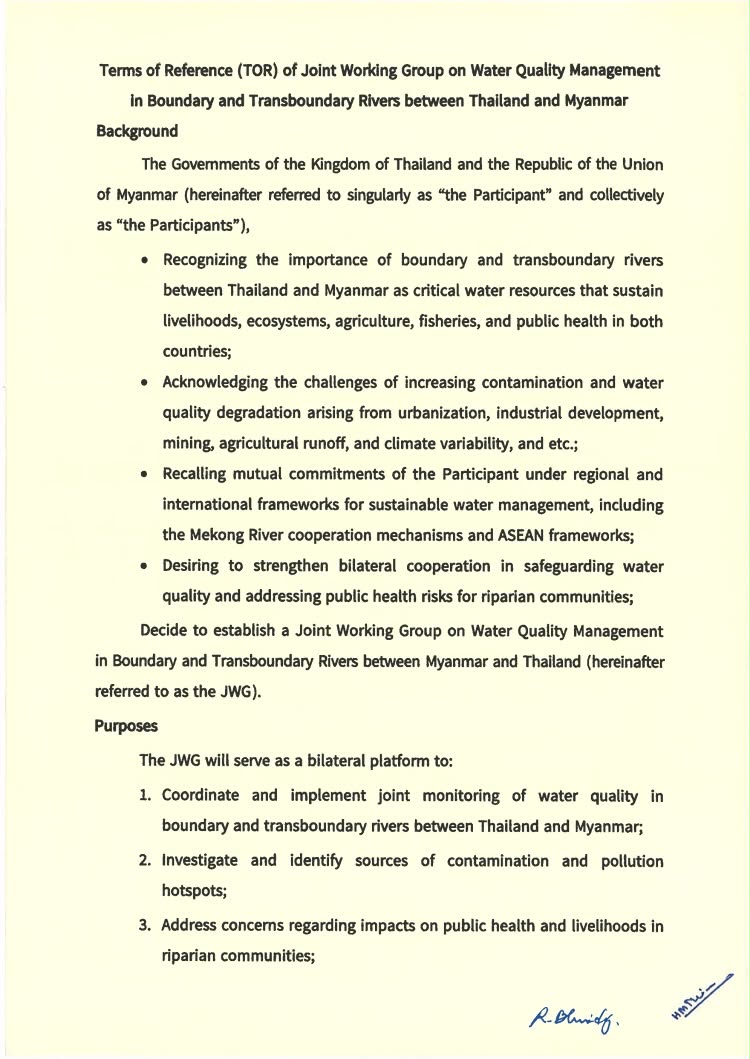
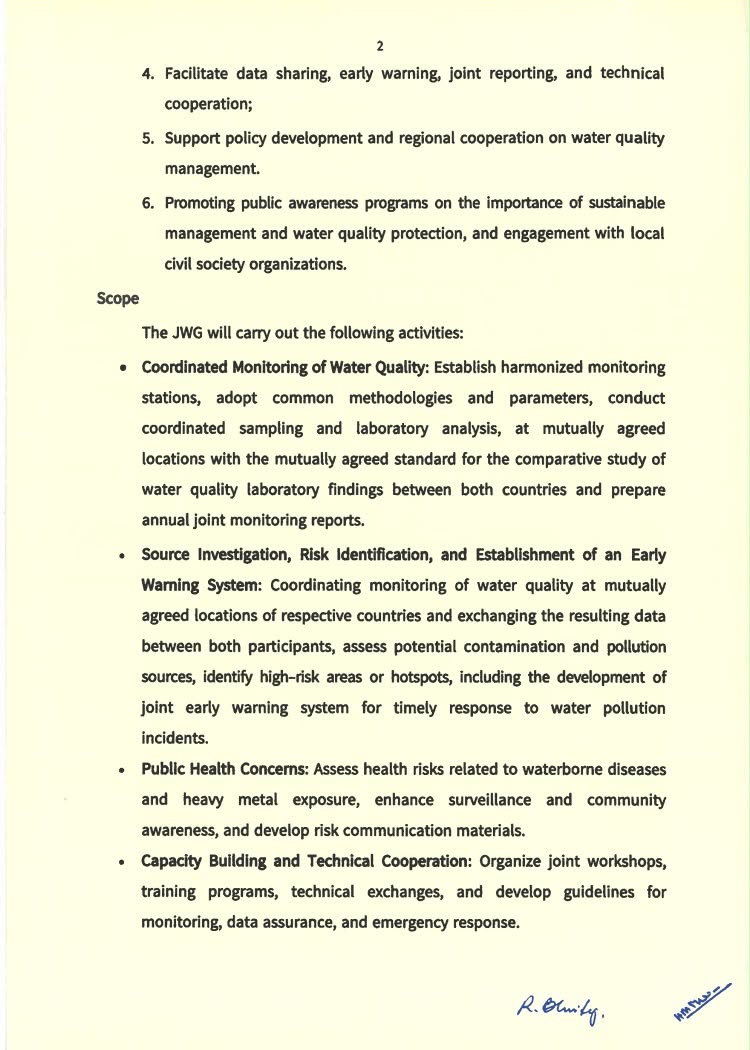
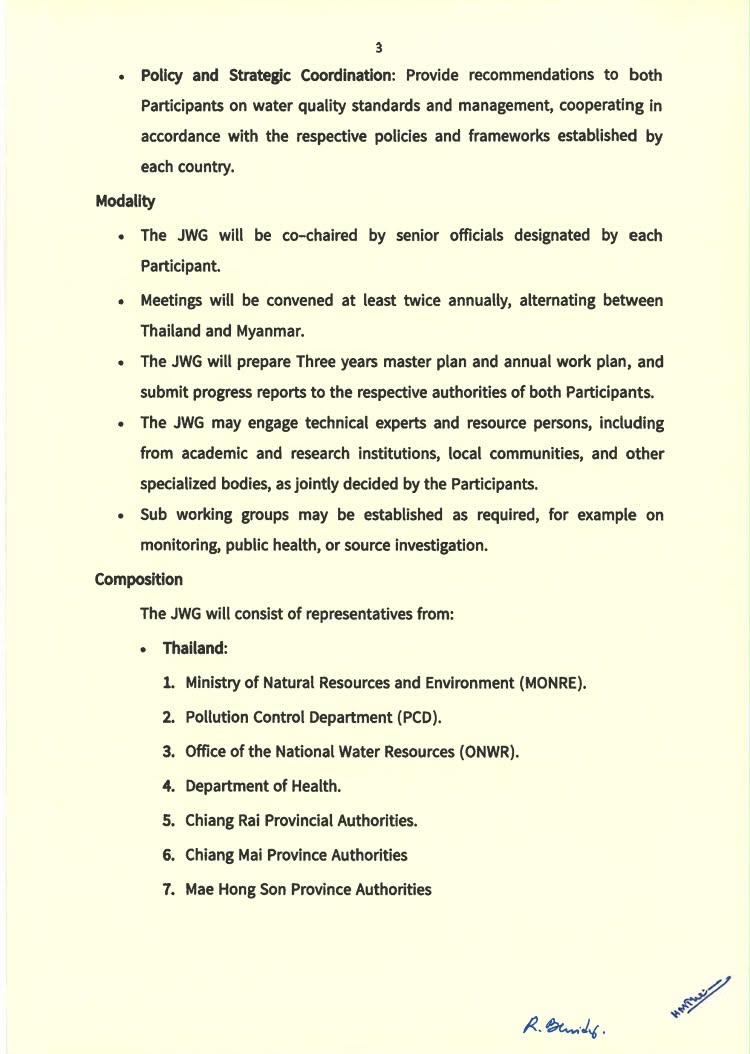
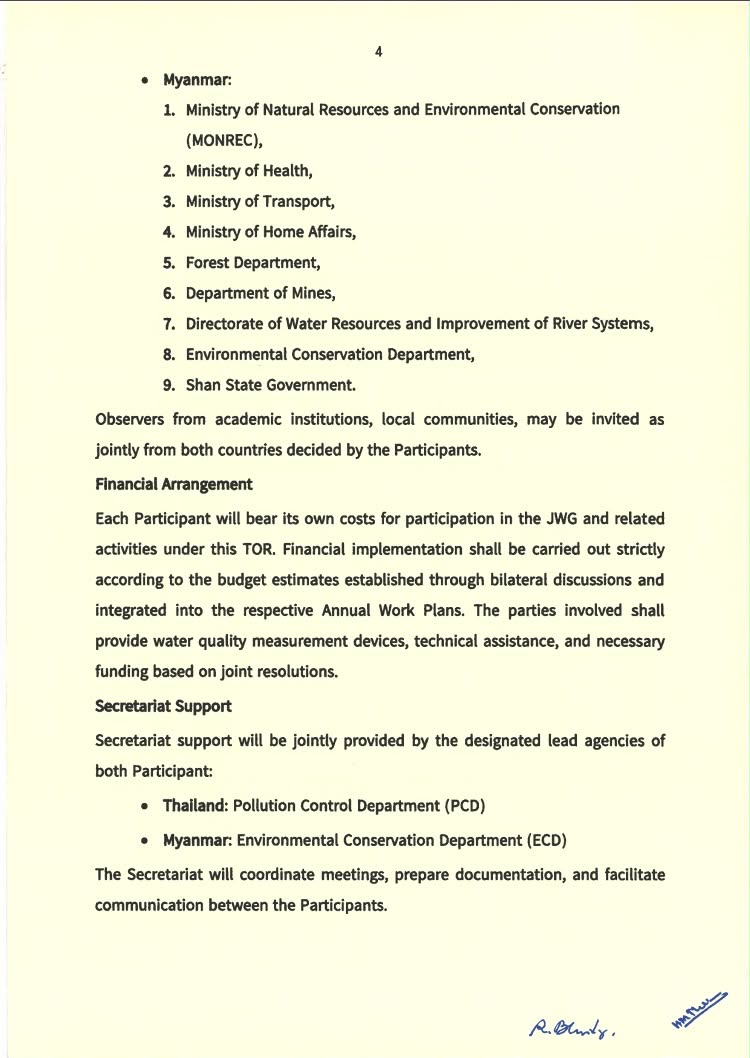
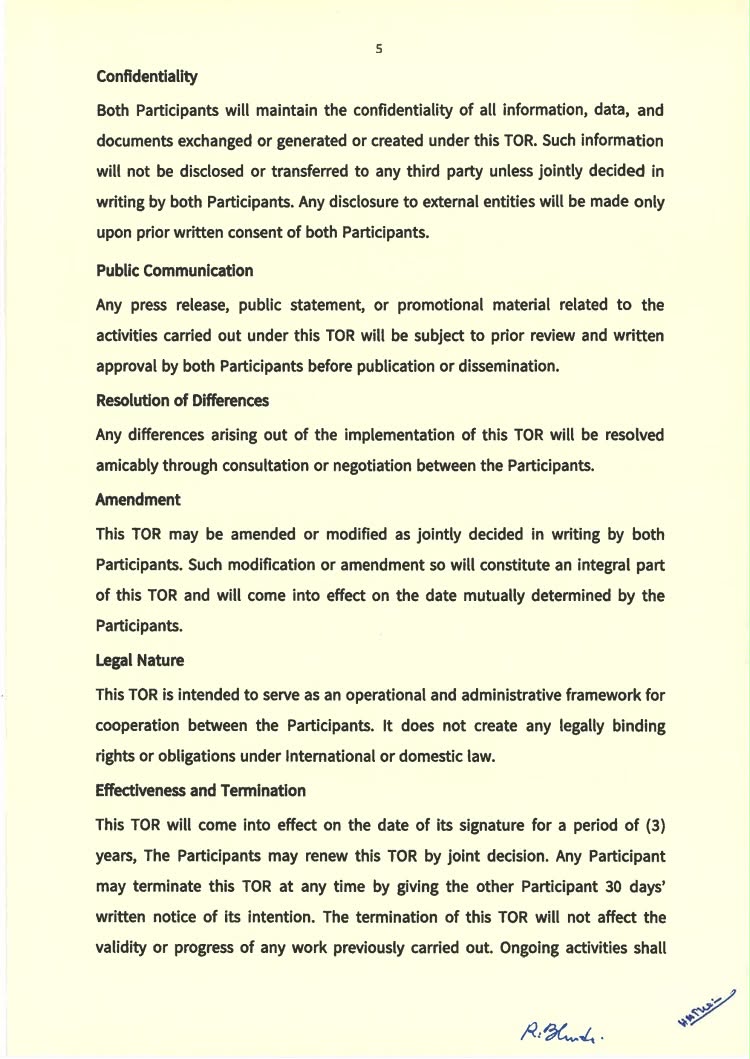
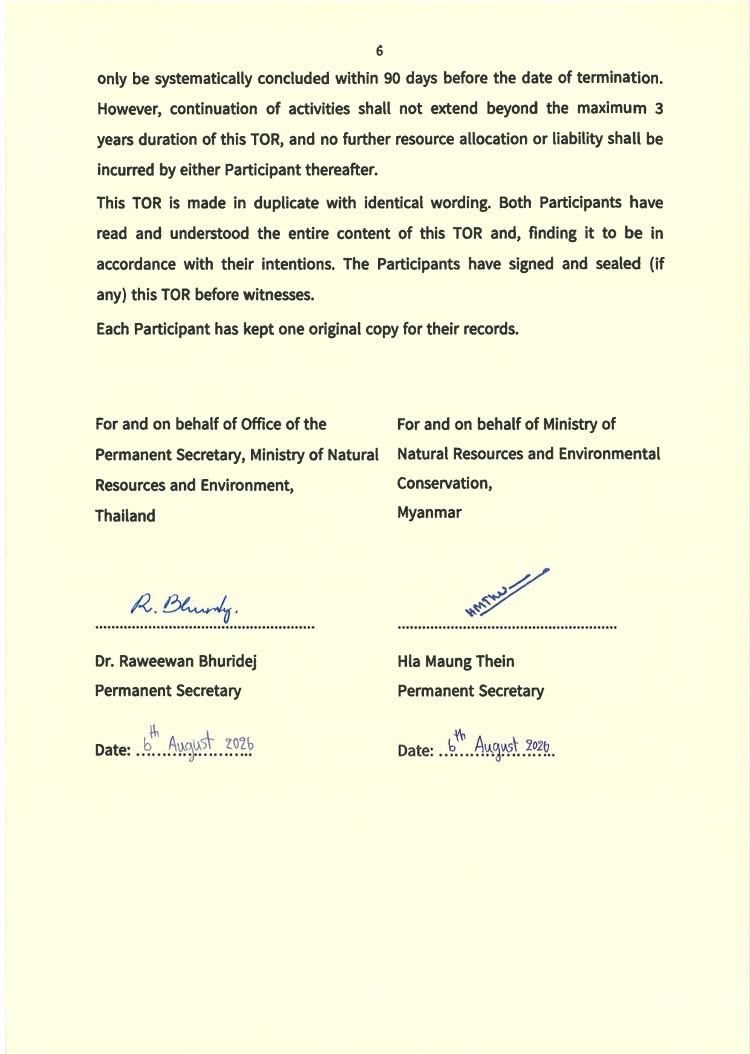
l Credit: People’s Network for the Protection of the Kok, Sai, Ruak and Mekong Rivers
Thailand’s Minister of Natural Resources and Environment, Suchart Chomklin, said the agreement represents a good opportunity to strengthen bilateral cooperation in addressing transboundary pollution. He said both countries had worked closely to advance the initiative, reflecting the importance that Prime Minister Anutin places on environmental cooperation.
Mr. Suchart added that the cooperation would help build public confidence and demonstrate both governments’ commitment to jointly addressing environmental challenges. He also said it would encourage participation from all sectors, serving as a key driver of sustainable solutions that improve environmental security and the quality of life for people in both countries.
Following the signing, both countries will establish joint working groups at both the ministry and departmental levels to ensure effective implementation, the ministry said. Thailand will also host the inaugural meeting of the newly established Joint Working Group on Water Quality Management between Thailand and Myanmar.
Prime Minister Anutin said that during his discussions with Senior General Min Aung Hlaing, the Myanmar leader expressed his country’s readiness to cooperate with Thailand across all areas, particularly on issues affecting Thailand, including transboundary haze, toxic contamination of rivers, narcotics suppression, and maintaining peace and security along the shared border. Mr. Anutin further said that Myanmar recognised the hardships faced by people in Thailand as a result of these issues.
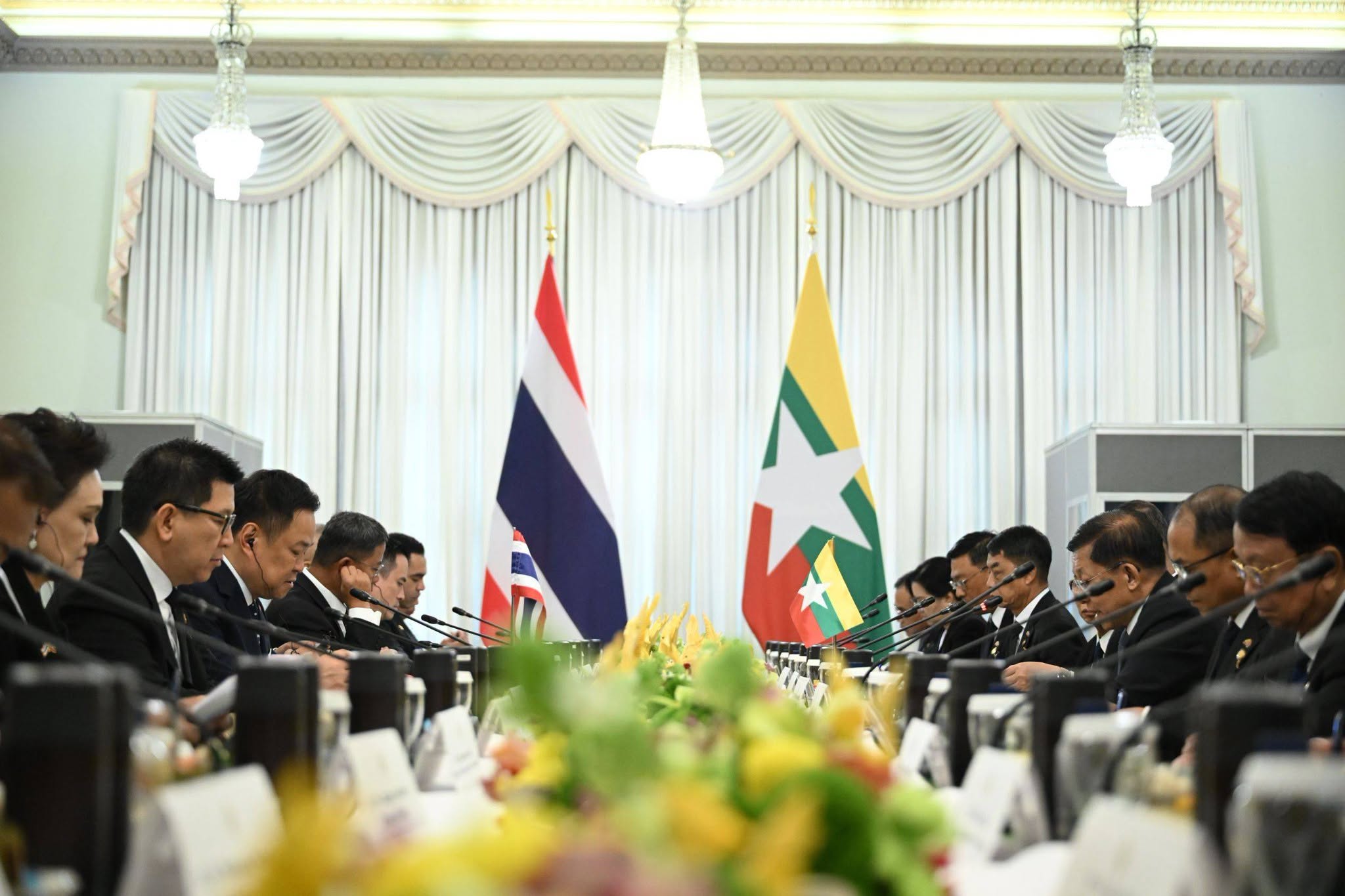
He added that Myanmar had requested cooperation in developing water quality standards and measurement parameters, with pollution thresholds based on actual local impacts and risks to nearby communities and consumers rather than relying solely on international standards, given differences in geographical conditions and other local factors.
Thailand, he said, expressed its willingness to coordinate and cooperate on the matter.
Cabinet’s endorsement
On August 4, the Cabinet approved the draft TOR ahead of Senior General Min Aung Hlaing’s visit.
According to the Cabinet, it authorised Monre’s Permanent Secretary to sign the TOR on behalf of the Thai government. It also authorised the ministry to make any necessary non-substantive textual amendments that do not conflict with existing laws, regulations, or Thailand’s national interests without seeking further Cabinet approval.
The Cabinet also noted that the National Environment Board, at its meeting on October 15 last year, approved the establishment of a subcommittee tasked with driving solutions to surface water quality problems. The subcommittee is responsible for developing guidelines to address contaminant levels exceeding legal standards in waterways and accelerating coordination among relevant agencies.
The Cabinet said contamination in rivers along the Thailand-Myanmar border has been designated a national priority because of its significant environmental and public health impacts. The Pollution Control Department, together with the Department of East Asian Affairs, the Department of Primary Industries and Mines, and other relevant agencies, jointly drafted the TOR as an operational framework for bilateral cooperation.
According to the Cabinet, the TOR will facilitate a framework for implementing and coordinating efforts to address transboundary water quality issues.
Critics, however, have expressed a markedly different view.
The criticism
The ETOs Watch Coalition, a network of civil society organisations monitoring transboundary investments and human rights violations in the region, issued a statement during Senior General Min Aung Hlaing’s visit, calling on the Thai government not to sign the Terms of Reference (TOR) with Myanmar.
The coalition stressed that the Thai government should suspend the signing of the TOR until bilateral cooperation is grounded in human rights, transparency, and efforts to address the root causes of the pollution crisis, without legitimising Myanmar’s military regime.
Expressing deep concern over the Cabinet’s approval of the draft TOR, the coalition said that while international environmental cooperation is necessary, it is meaningful only if it addresses the root causes of pollution, protects public rights, and operates transparently, rather than creating “a false sense of progress” or legitimising the Myanmar military regime.
The coalition said arsenic and heavy metal contamination in the Kok, Sai, Ruak, Mekong, Salween and Kraburi rivers — linked to mining activities in both Myanmar and Thailand — has severely affected public health, ecosystems, agriculture, fisheries and local livelihoods in Thailand.
“This is not merely an environmental problem, but a crisis involving human rights, public health, access to clean water, and the right to a sustainable environment,” the organisation said, while also condemning the military regime led by Senior General Min Aung Hlaing for its violence against civilians in Myanmar.
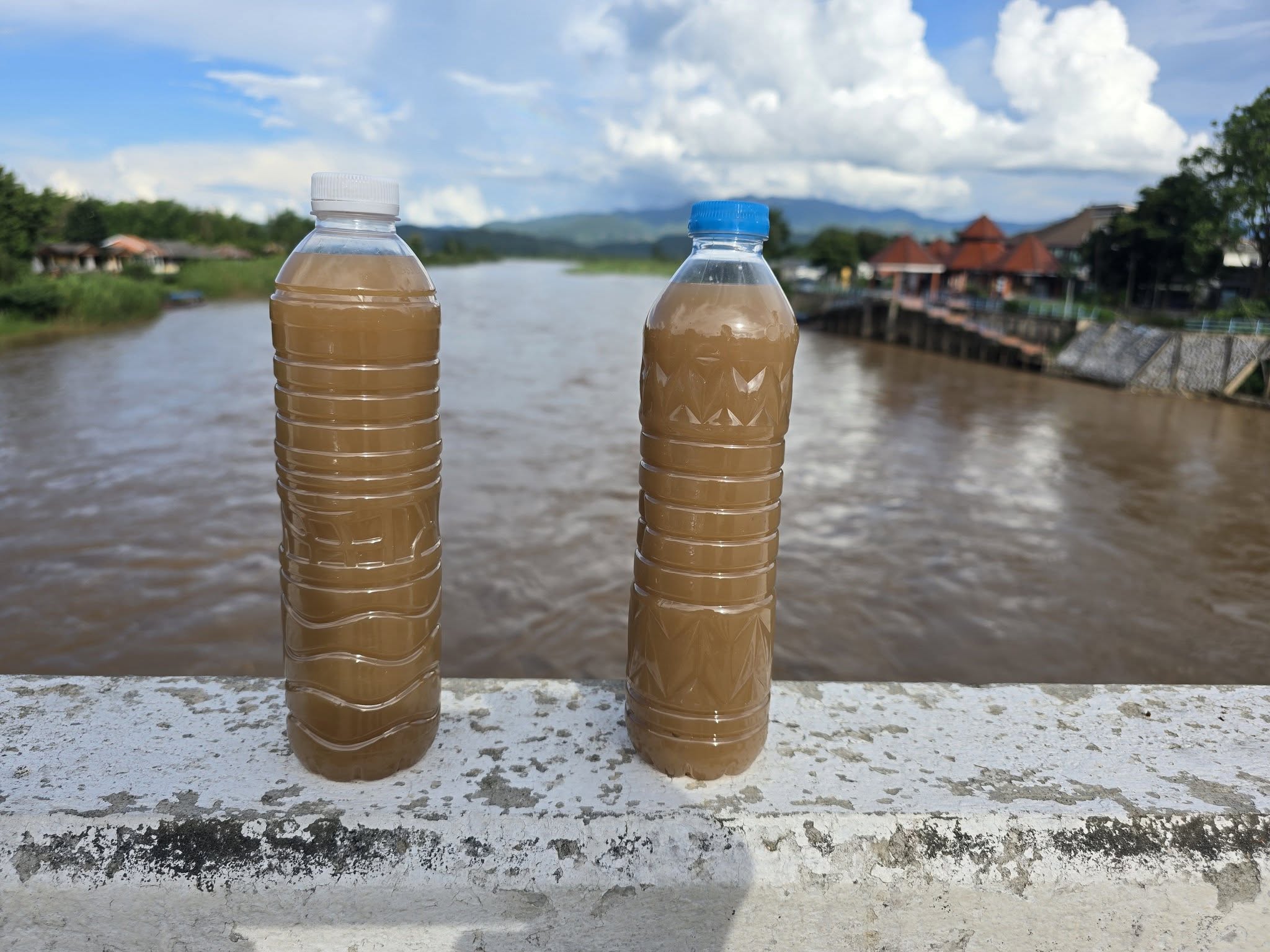
Credit: Dr. Suebsakun Kidnukorn
It added that the TOR contains no clear measures to regulate mining activities, identify polluters, enforce environmental laws, rehabilitate contaminated areas or provide remedies for affected communities. The coalition also criticised the government for not publicly disclosing the TOR’s contents.
Water quality cooperation is insufficient if restricted to monitoring or data exchange; it must encompass access to pollution sources, mine inspections, polluter identification, liability, restoration, and remedies under the No Harm Principle, Precautionary Principle, Polluter Pays Principle, and the rights to information and environmental justice, the coalition said.
The coalition also expressed concern that bilateral cooperation on energy, mining, infrastructure, trade and investment could generate revenue for, or confer legitimacy upon, entities controlled by Myanmar’s military regime unless comprehensive Human Rights Due Diligence (HRDD) is conducted.
It said both the Thai government and Thai businesses should carry out HRDD in accordance with the UN Guiding Principles on Business and Human Rights (UNGPs) and the OECD Guidelines for Multinational Enterprises.
The coalition therefore called on the Thai government to suspend the TOR until the full draft and all related documents are made public. It also urged the government to immediately disclose the complete draft, including amendments proposed by Myanmar, conduct meaningful public consultations before signing, and engage affected river basin communities, academics and civil society organisations.
It further called for the TOR to be revised to address the root causes of the pollution crisis by incorporating provisions on mine inspections, polluter identification and remedies based on the Polluter Pays Principle. It also urged the government to protect the public’s right to know, remove restrictions on the disclosure of public health and environmental information, and clarify the legal status of the TOR under Article 178 of the 2017 Constitution, if applicable.
In addition, the coalition called on the Thai government to adopt “joint” monitoring standards, internationally recognised sampling and laboratory reference methods, comprehensive risk-area mapping and reporting, and independent international participation. It also urged authorities to take urgent action to address the root causes of pollution by inspecting mineral supply chains, reviewing import policies, and tightening controls on machinery and chemical exports to mines linked to environmental harm.
Other recommendations included establishing a National Committee on Transboundary Pollution comprising government agencies, academics, civil society organisations and community representatives; requiring all bilateral trade, energy and mining cooperation to undergo HRDD under the UNGPs and OECD guidelines; implementing mineral traceability systems; and prohibiting imports whose origins cannot be verified or are linked to human rights abuses.
Finally, the coalition called on the Thai government to reaffirm its human rights-based foreign policy by avoiding actions that could legitimise Myanmar’s military regime.
“Genuine international cooperation requires transparency, accountability and public participation. Resolving transboundary pollution is possible only when Thailand upholds public rights and addresses the root causes of the problem,” the coalition said.
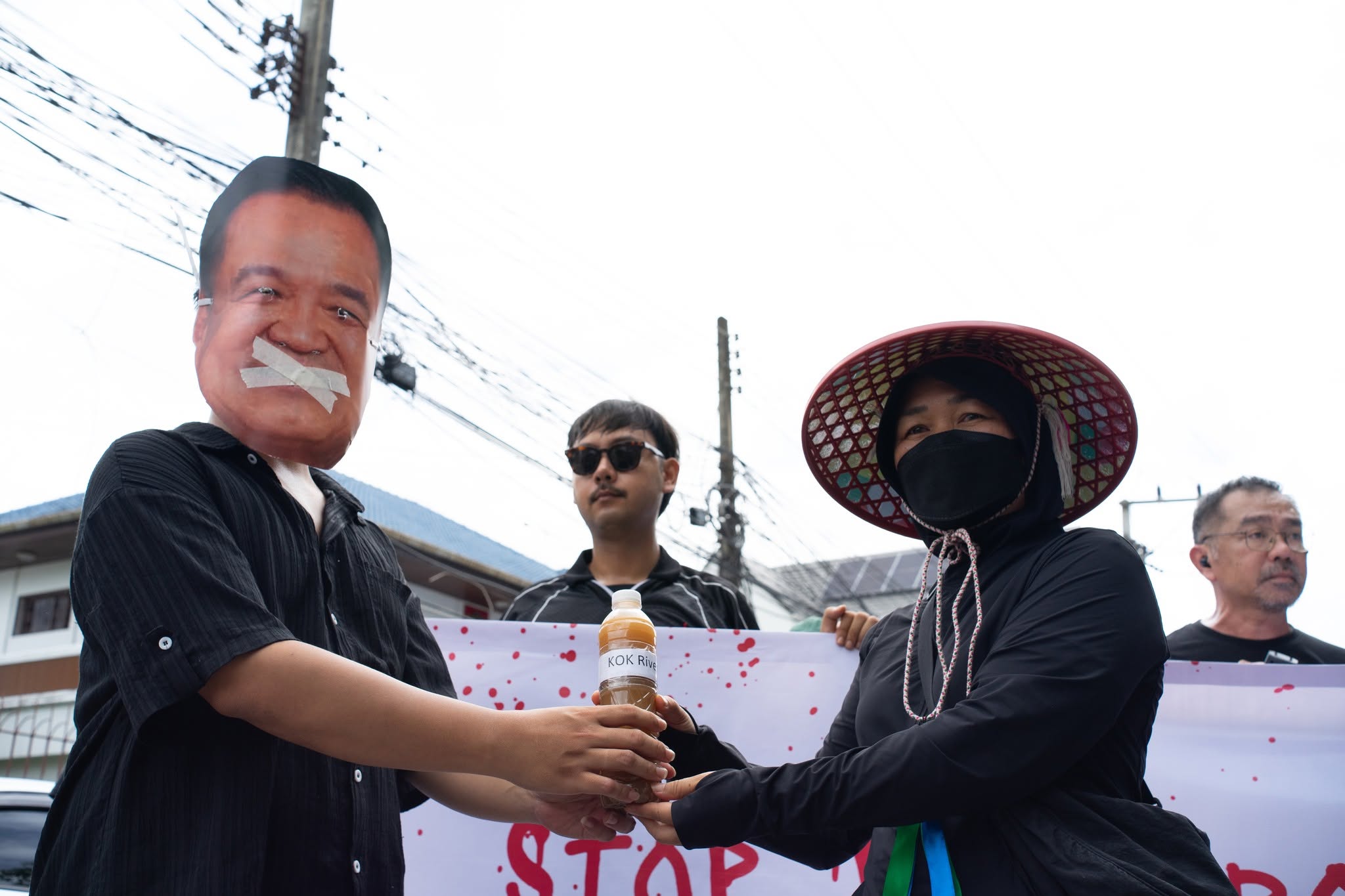
People’s Party leader Natthaphong Ruengpanyawut also commented on the meeting between the two leaders, saying that although a wide range of issues had been discussed, the most urgent concern affecting public health and safety must not be overlooked.
He said gold and rare earth mining activities in Myanmar have become major sources of toxic contamination in the Kok, Sai, Ruak, Mekong, Salween and Kraburi rivers, causing serious hardship for downstream communities in Thailand.
Although the meeting came later than many had hoped, given the prolonged suffering of affected communities, it nevertheless marked an important milestone in addressing the transboundary river pollution crisis, which has now entered its second year. He said the People’s Party expected at least five concrete outcomes from the leaders’ discussions.
The first is mutual recognition of contamination data, under which Myanmar authorities should clearly acknowledge the pollution problem and accept responsibility for addressing its root causes, Mr. Natthaphong said in a Facebook post.
Second, he called for stronger joint operational mechanisms through transparent and effective inspection and monitoring systems supported by practical action plans, noting that previous joint working groups had failed to make meaningful progress because of inadequate monitoring and data collection.
Third, he called for the identification of high-risk mining areas by mapping mining sites across affected river basins to guide regulatory action and improve water quality management.
Fourth, he urged the governments to announce concrete legal enforcement measures. Thailand, he said, should consider using mining and customs laws to restrict mineral imports from Myanmar if pollution at identified sites is not effectively addressed.
Finally, he called for elevating the issue to international forums, including ASEAN, the Mekong River Commission (MRC) and the Mekong-Lancang Cooperation (MLC), to strengthen regional cooperation on transboundary water pollution.
The People’s Party hopes the meeting will lead to urgent and meaningful action to resolve the transboundary pollution crisis, adding that these five proposals represent only the minimum expectations of the Thai public.
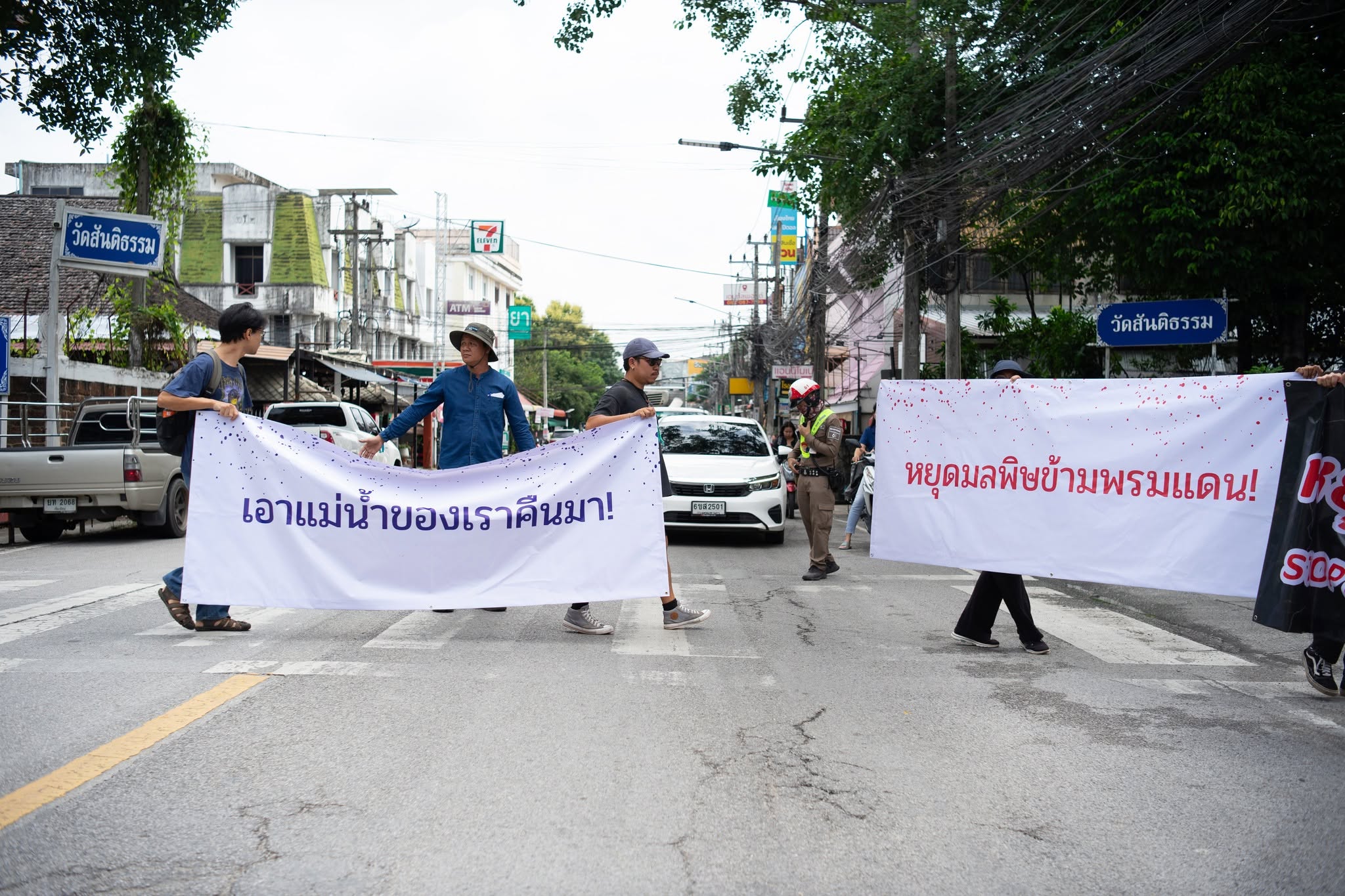
The TOR’s flaws
Earlier, civil society groups working on the issue analysed the draft TOR and raised concerns over several of its provisions.
Dr. Suebsakun Kidnukorn, a key leader of the People’s Network for the Protection of the Kok, Sai, Ruak and Mekong Rivers, who had led a symbolic visit to the Consulate General of Myanmar in Chiang Mai on August 3, reviewed the document and questioned whether Thailand had placed itself at a disadvantage in negotiations with Myanmar.
Dr. Suebsakun identified three key issues that he considered central to the agreement. Thailand proposed “joint” water quality monitoring, but Myanmar requested that joint operations be removed. He questioned whether this would mean each country would conduct monitoring independently.
He also noted that Thailand had proposed producing “joint” reports, including risk maps, but Myanmar requested that these provisions be removed. In addition, Thailand had proposed cooperation with international frameworks such as the MRC and ASEAN, while Myanmar sought to delete those references entirely.
“In short, is Myanmar removing almost every provision that requires genuine joint cooperation?” Dr. Suebsakun asked, urging the Thai government to clarify whether it intended to accept Myanmar’s proposed amendments before signing the agreement.
He also questioned whether adopting Myanmar’s proposed changes would ultimately strengthen or weaken efforts to resolve the river pollution crisis.
“The Thai public has never seen this TOR. We have learned that if Thai authorities accept the amendments proposed by Myanmar, there is a real concern that the agreement will make little or no progress in solving the problem,” Dr. Suebsakun said.
Other critics, including People’s Party Chiang Mai MP Phattarapong Leelaphat, have voiced similar concerns. They criticised the lack of transparency surrounding the TOR, arguing that it fails to protect the public’s rights to information and participation. They also questioned its legal status, noting that it has so far been proposed as non-legally binding.
According to the final TOR signed by both countries, only minor wording changes were made to the draft. Critics argue, however, that these revisions have further weakened the agreement’s implementation. Bangkok Tribune has seen the signed document, which replaces the word “joint” with “coordinated” in several provisions relating to cooperation between the two countries.
Of the five aspects covered under the scope of work, four are related to monitoring, leaving only one aspect to address problem management through recommendations.
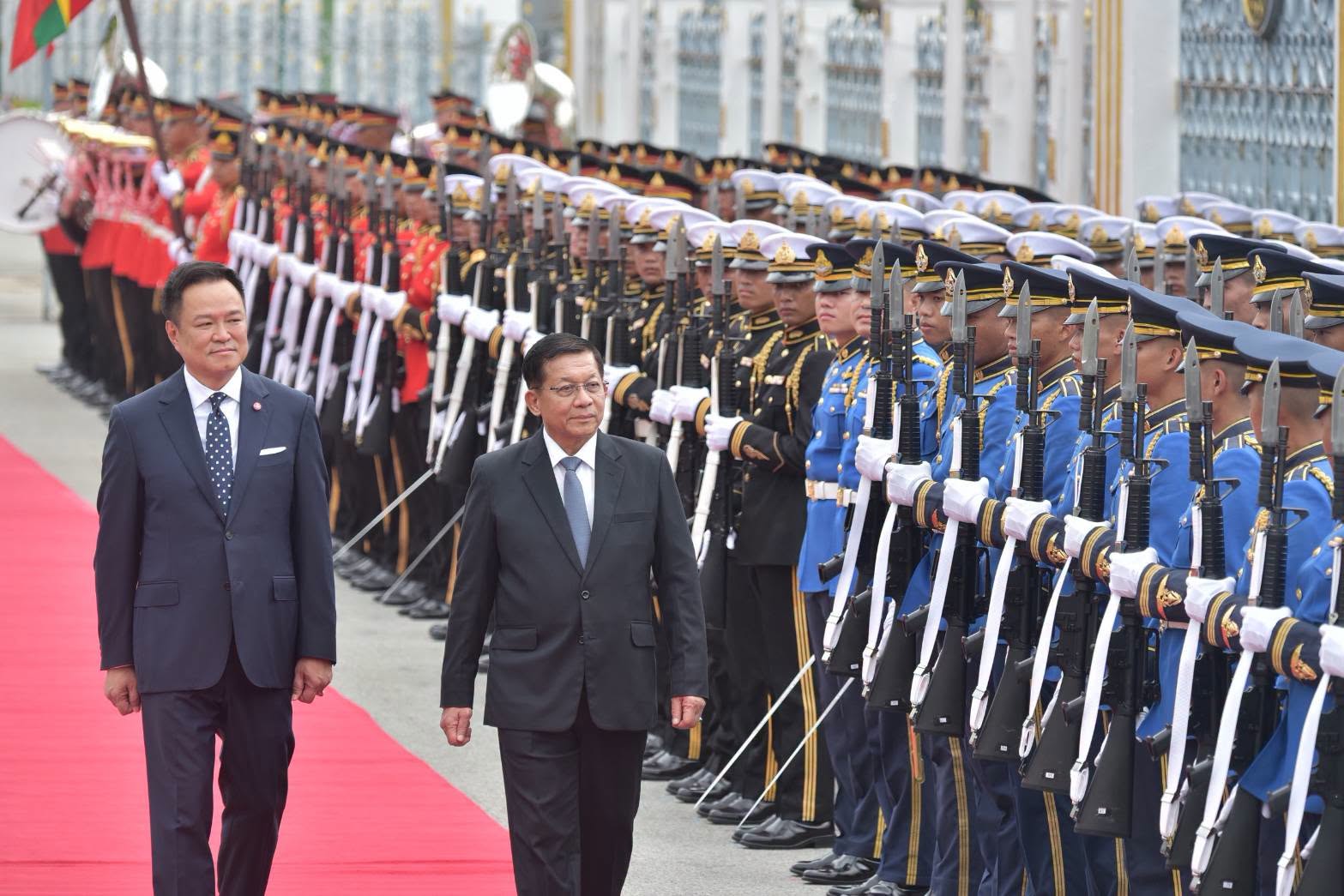
Controversial visit
Myanmar’s President, Senior General Min Aung Hlaing, paid a two-day official visit to Thailand on August 6–7. According to the Thai government, both sides discussed strengthening bilateral cooperation in security, the economy, trade, investment, energy, development and cross-border issues for the mutual benefit of both countries.
On environmental cooperation, Prime Minister Anutin said environmental issues directly affect public health and livelihoods in both countries, making it a shared responsibility to accelerate concrete action. Both governments agreed to expedite joint action plans on transboundary haze, establish a joint technical working group on river pollution, and continue cooperation in water resources management and flood prevention.
At the conclusion of the talks, the two leaders jointly witnessed the exchange of three cooperation documents, including the TOR.

Indie • in-depth online news agency
to “bridge the gap” and “connect the dots” with critical and constructive minds on development and environmental policies in Thailand and the Mekong region; to deliver meaningful messages and create the big picture critical to public understanding and decision-making, thus truly being the public’s critical voice