
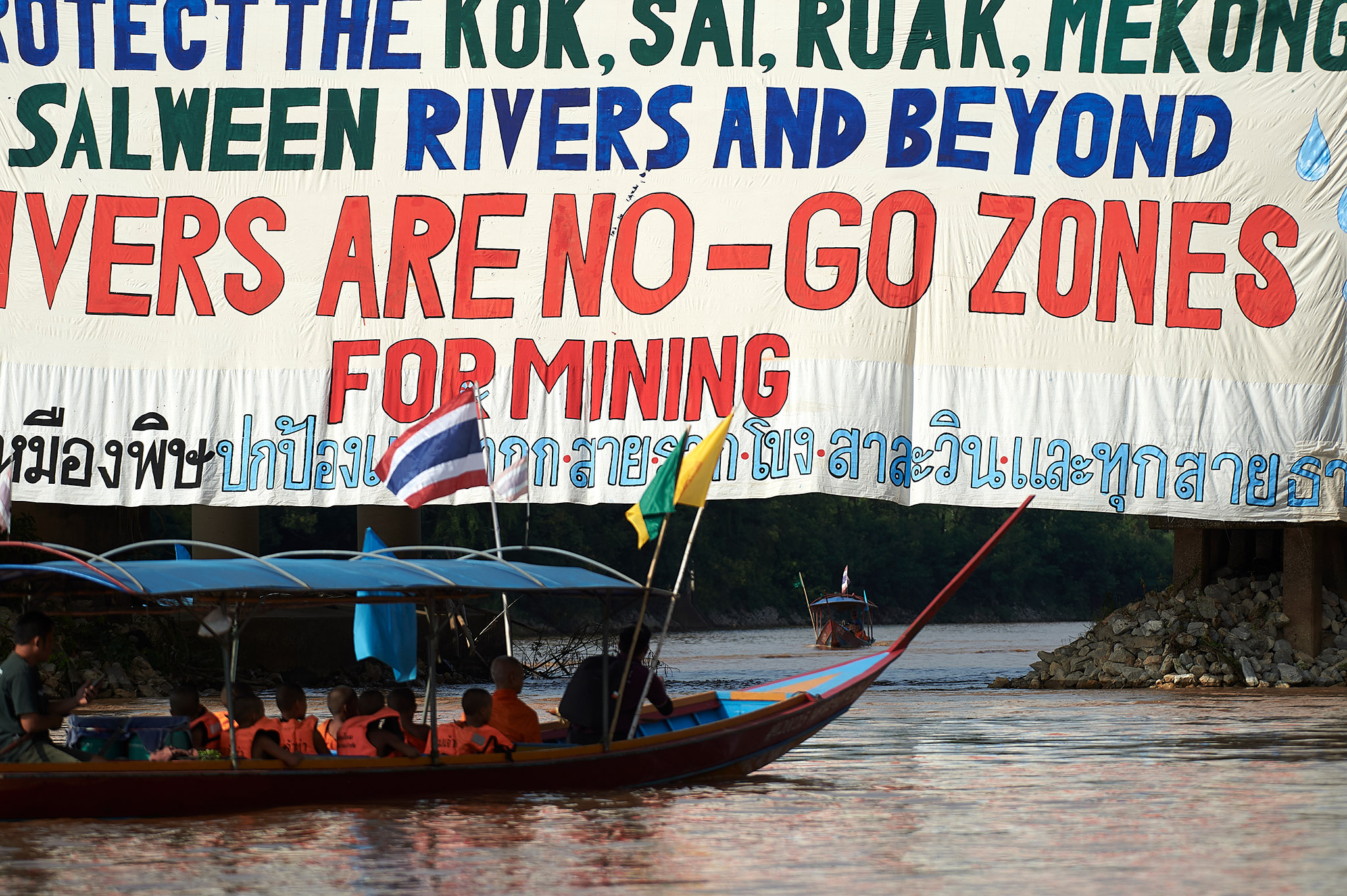
After walking nearly 70 kilometres in peace through heat, rain, rugged terrain, and local communities along the Kok River over six days, 62-year-old Phra Maha Nikhom of Phawana Nimitra Temple in Tha Ton Subdistrict, Chiang Mai, concluded the Dhamma Yatra in Chiang Rai City on World Environment Day, with the number of participants and participating organisations growing to several hundred as he led them on both outer and inner spiritual journeys guided by Buddhist teachings.
“Dhamma Yatra or a walk with Dhamma is a form of Dhamma practice and Dhamma Puja that embodies the Buddhist principles of patience, diligence, unity, and gratitude (to nature).
“I would like the followers and “all involved” to understand that it will be a long journey before we find solutions to the problems facing our rivers and environment. Therefore, they must also learn about their own strengths and weaknesses and cultivate these principles within themselves in order to achieve the highest goal.
“In Buddhist philosophy, Dhamma is nature and nature is Dhamma — they are one and the same truth. To walk with Dhamma on Visakha Bucha Day, therefore, is not only to pay homage to the Lord Buddha and his teachings, but also to honour nature and the environment. This is the duty and responsibility that humanity must bear,” Phra Maha Nikhom stressed after taking a brief rest at a temple in Tambon Mae Yao on the outskirts of Chiang Rai, which has also suffered cumulative environmental impacts from various disasters, including the ongoing toxic contamination of the Kok River.
Over five nights and six days, participants and members of the public learned through the Dhamma-led peace walk about both self-awareness and the plight of polluted rivers, including the Kok, Sai, Ruak, Mekong, Salween, and other waterways contaminated by toxic heavy metals linked to unregulated mining activities in Myanmar and Lao PDR. (Read: SPECIAL REPORT SERIES: The Poisoned Rivers: From gold to rare earth, unregulated mining in Myanmar poisons the Mekong and its tributaries in Northern Thailand)
They also learned about the communities affected by this transboundary river pollution through direct engagement and discussions with residents in villages they passed through and stayed overnight in.
The activities were carefully designed to foster public learning and awareness of the issue. The main organisers — the People’s Network for the Protection of the Kok, Sai, Ruak, and Mekong Rivers and its allies, including Romphothi Foundation, Rivers and Rights Foundation, Rak Chiang Khong Conservation Group, and others — spent months brainstorming and surveying areas to map out the route as a journey of learning.
As participants walked through dozens of villages, they had opportunities to directly interact with local residents and listen to their stories firsthand. These experiences and concerns were collected and incorporated into policy proposals aimed at seeking solutions from the government, according to Dr. Suebsakul Kitnukorn, a leader of the network and a lecturer at Mae Fah Luang University’s Area-based Social Innovation Research Center.
Niwat Roykaew, recipient of the 2022 Goldman Environmental Prize and chairperson of the Chiang Khong Conservation Group, who helped initiate the idea, said that Dhamma involves the spiritual elevation of humanity and its relationship with nature.
Through this approach, people have an opportunity to connect deeply with nature and the environment and experience them directly. This helps elevate spiritual learning and awaken the mind, thereby strengthening public awareness of the issue and support for the movement, he explained.
“It is a peaceful means. The movement becomes more profound and sustainable through the deeper understanding and relationships that people forge with their fellow participants and with nature along the way. That’s why I really wished the Prime Minister would come and join us, but he didn’t,” said Mr. Niwat, who walked side by side with Phra Maha Nikhom throughout the journey.
Also see: In Pictures: Dhamma Yatra, Peace Walk for Rivers
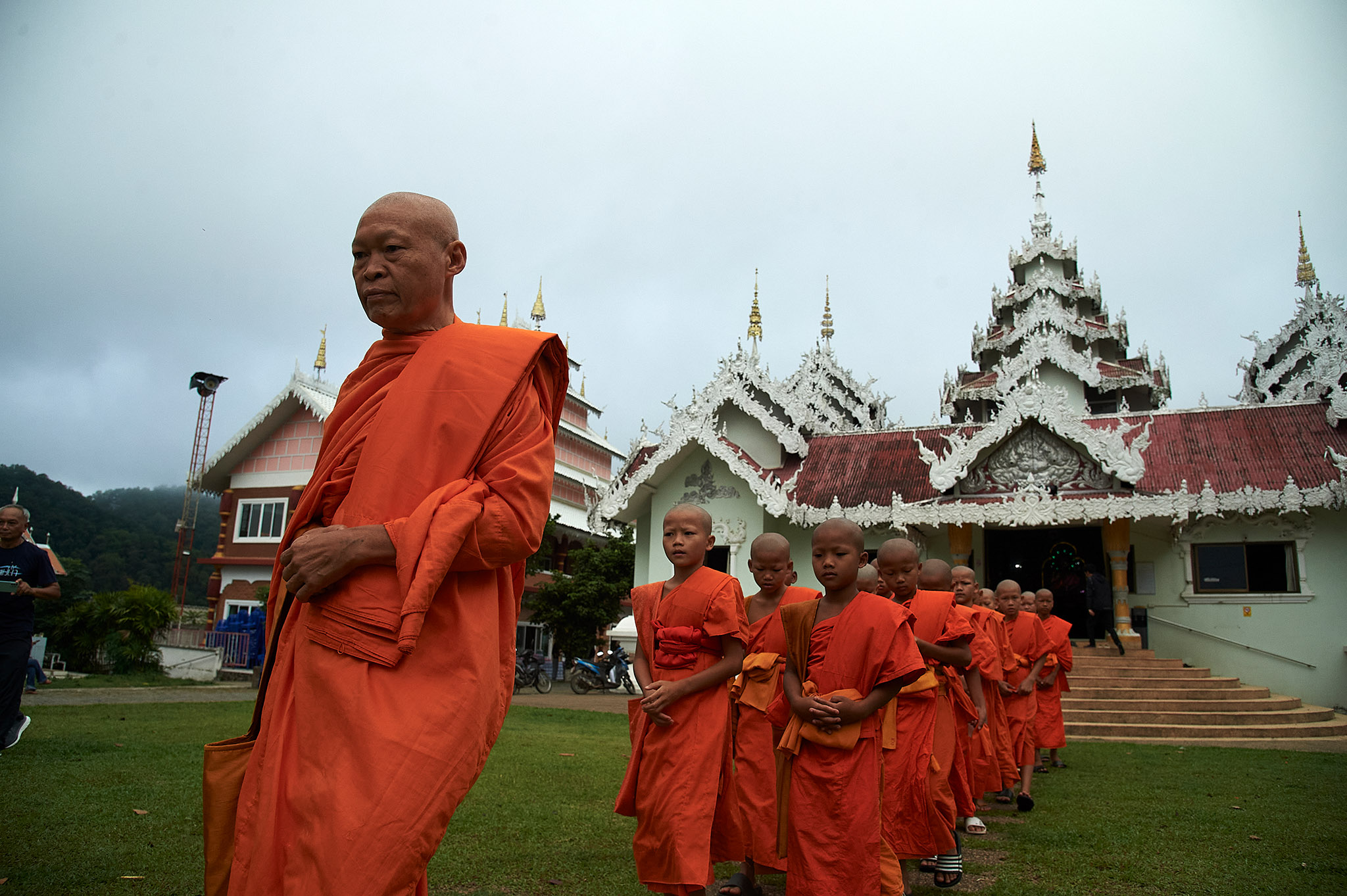
Photo: Sayan Chuenudomsavad
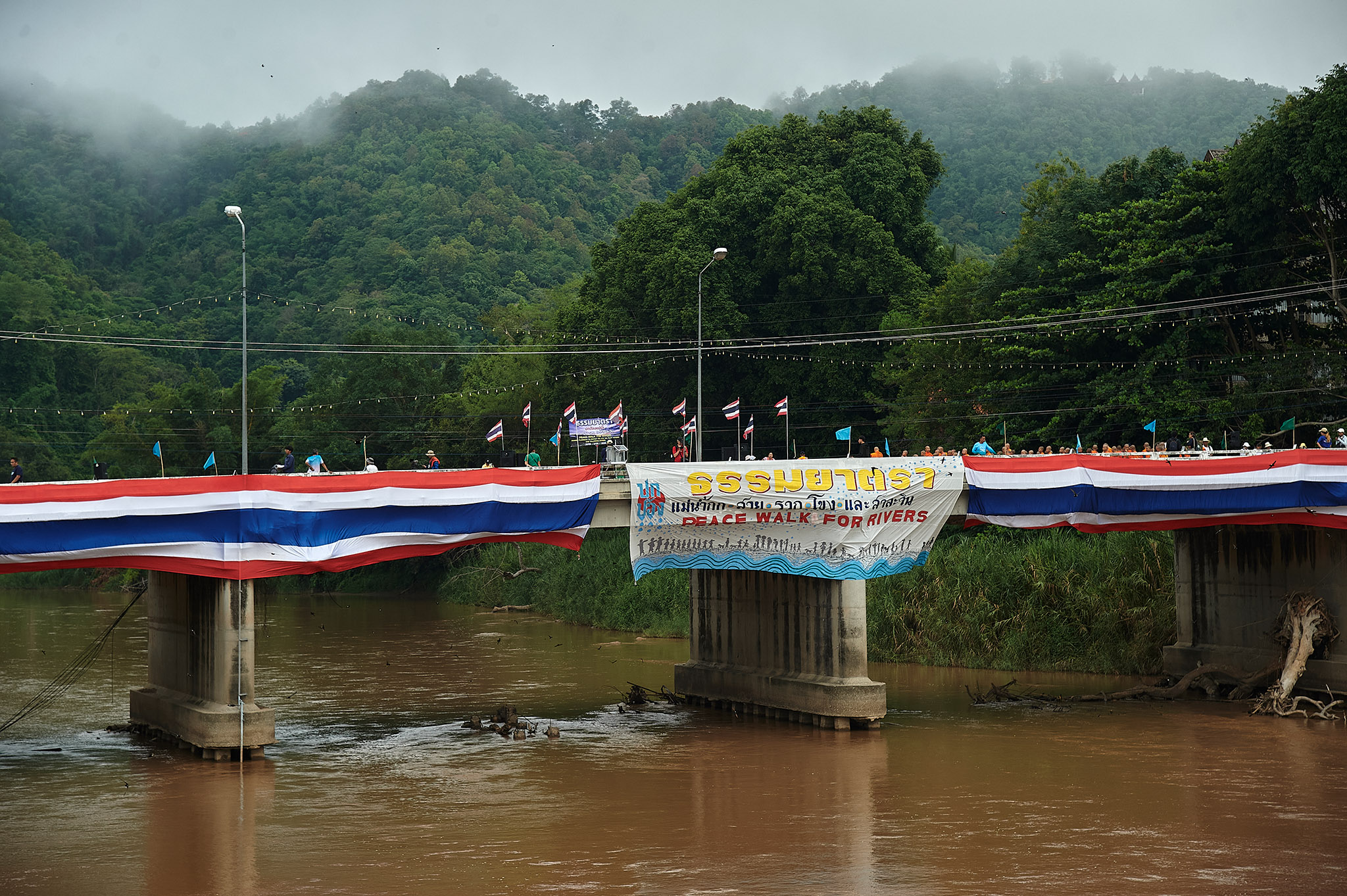
Photo: Sayan Chuenudomsavad
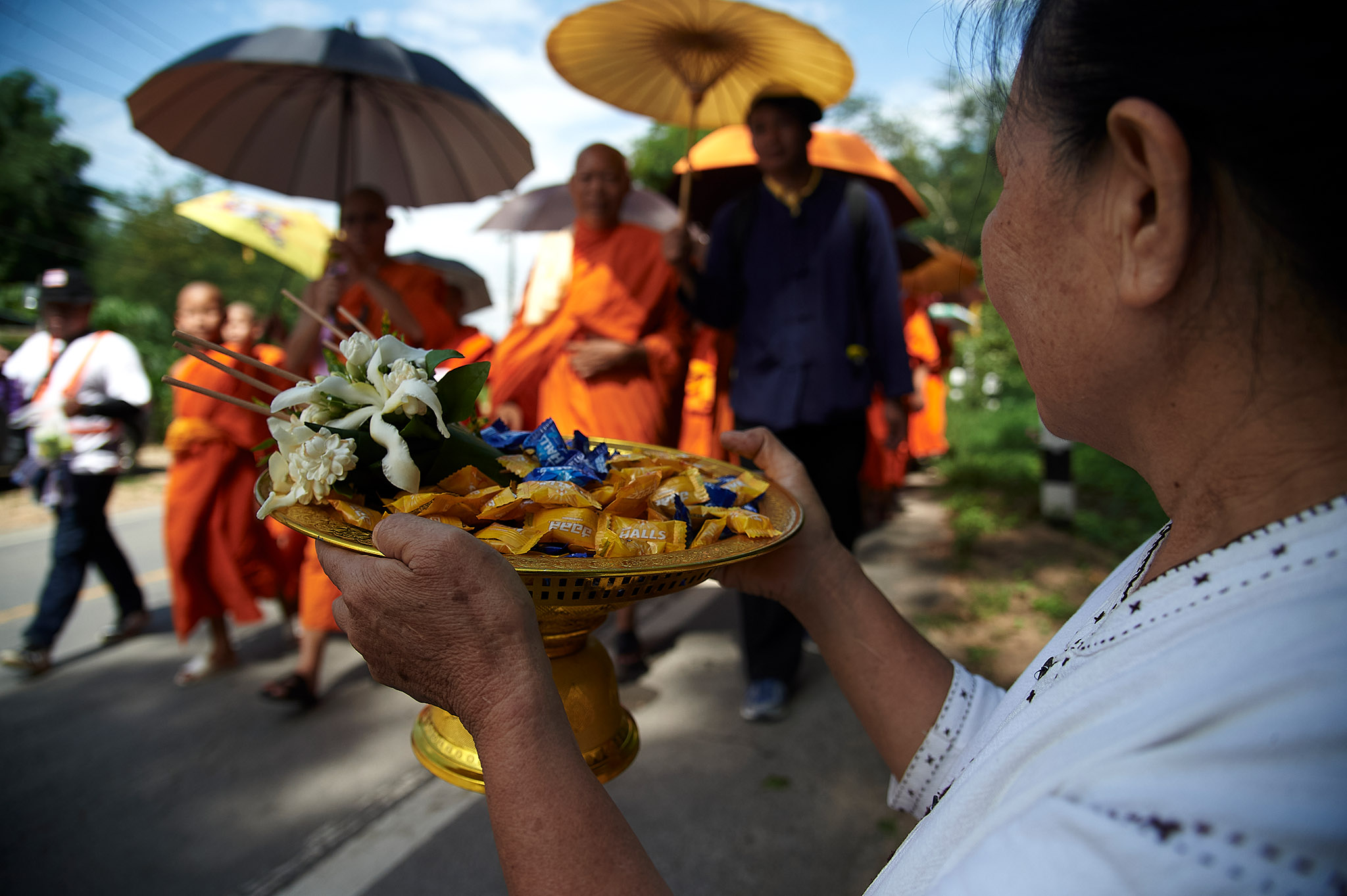
Photo: Sayan Chuenudomsavad
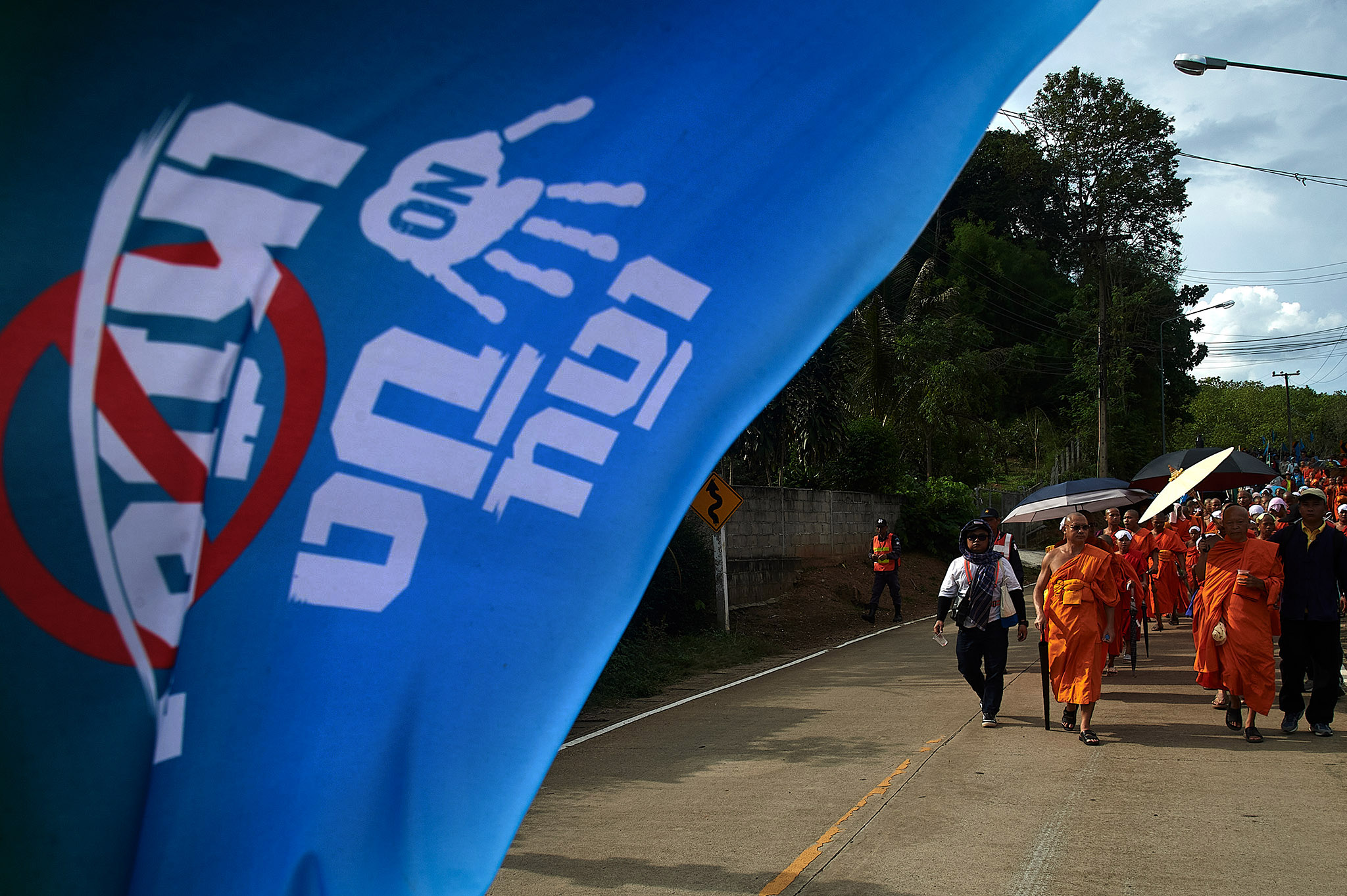
Photo: Sayan Chuenudomsavad
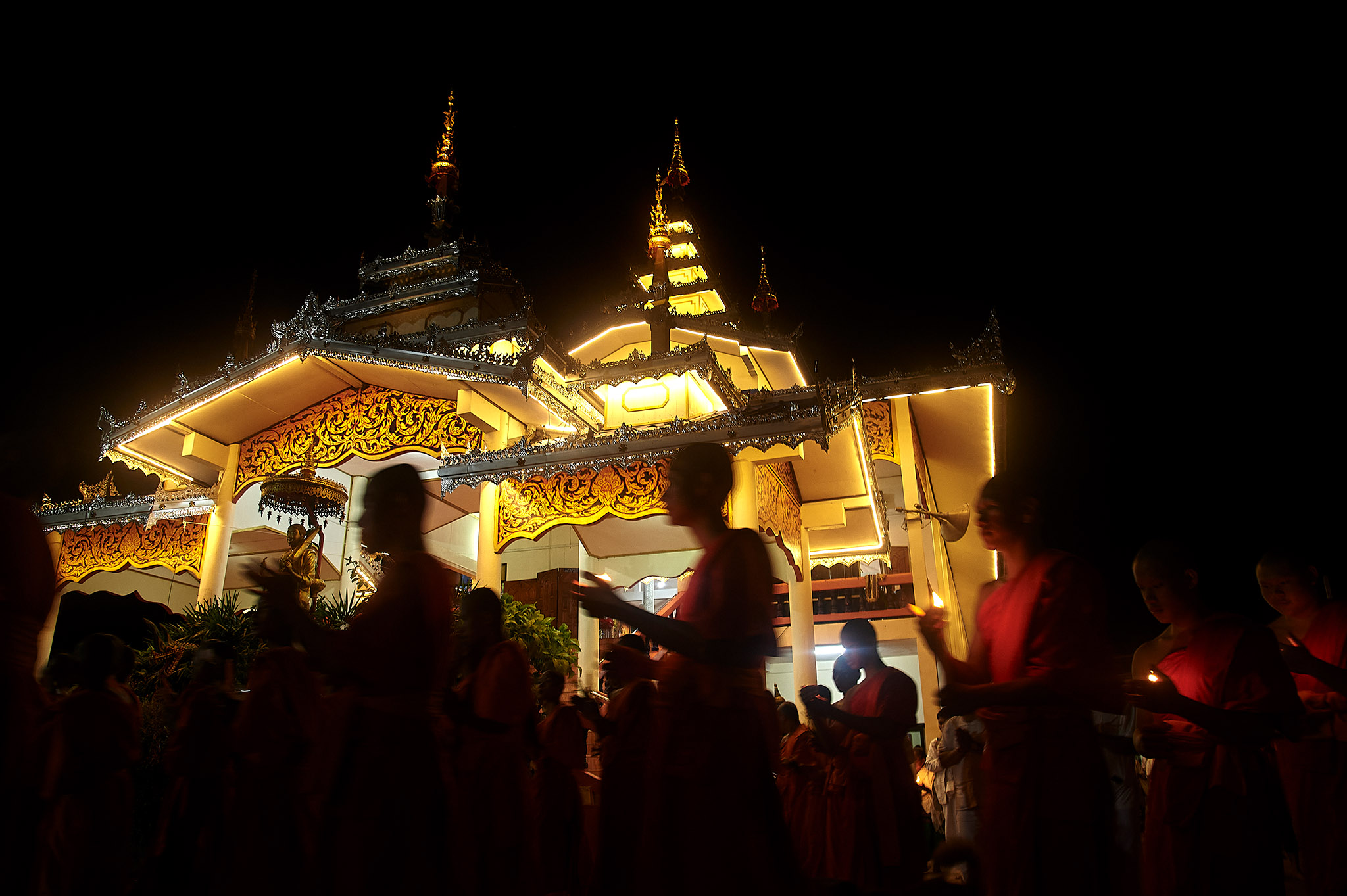
Photo: Sayan Chuenudomsavad
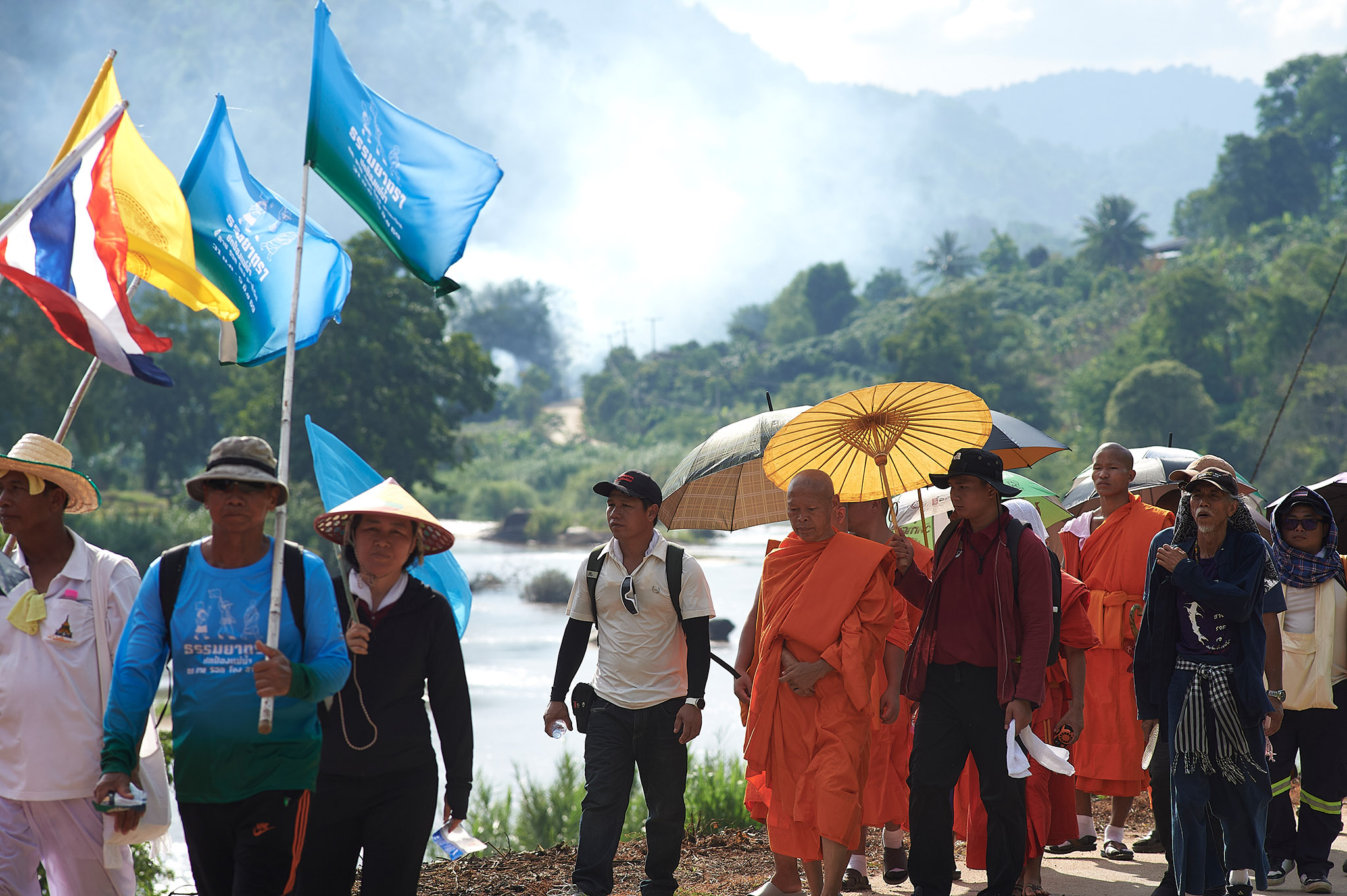
Photo: Sayan Chuenudomsavad
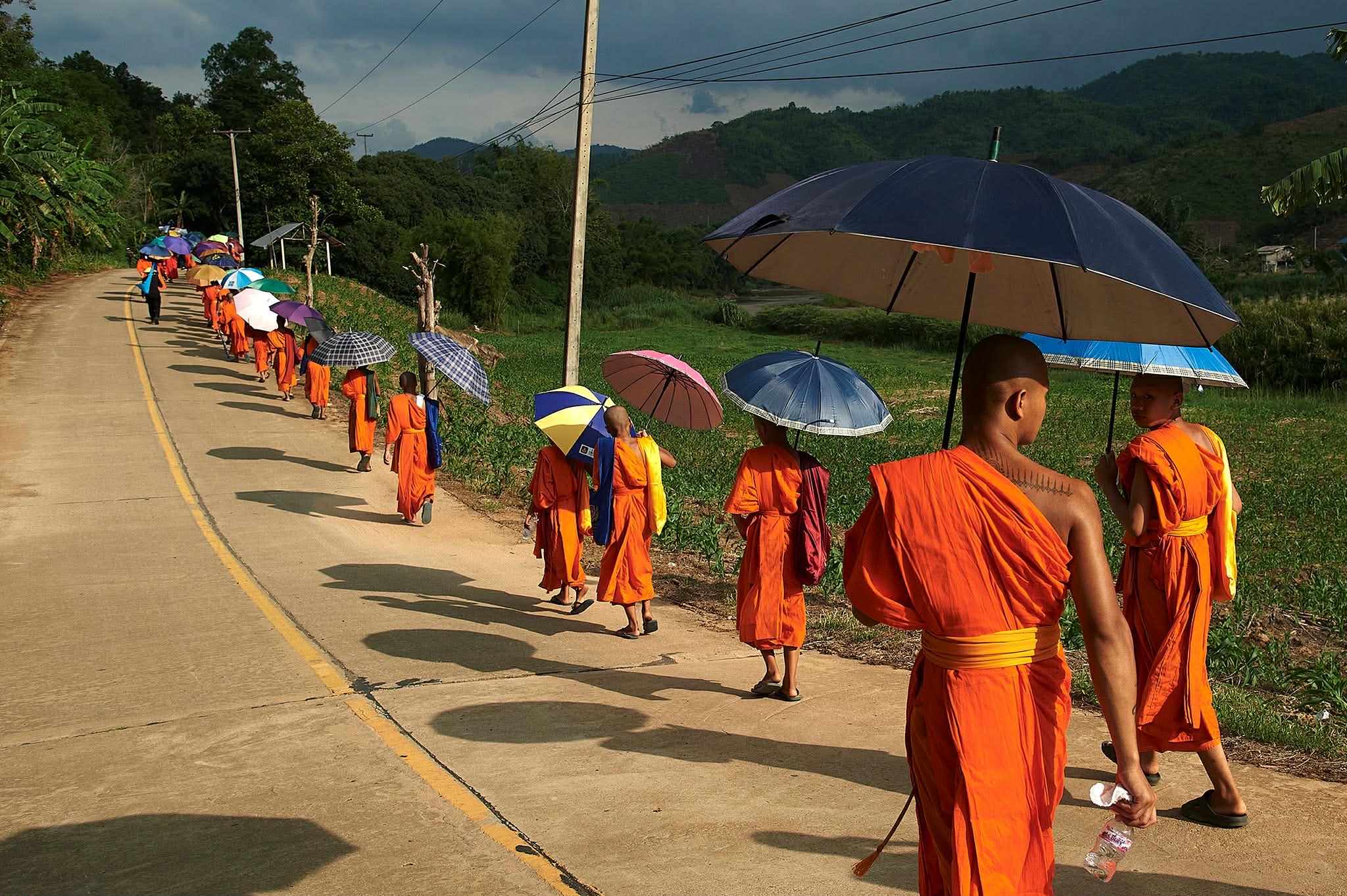
Photo: Sayan Chuenudomsavad
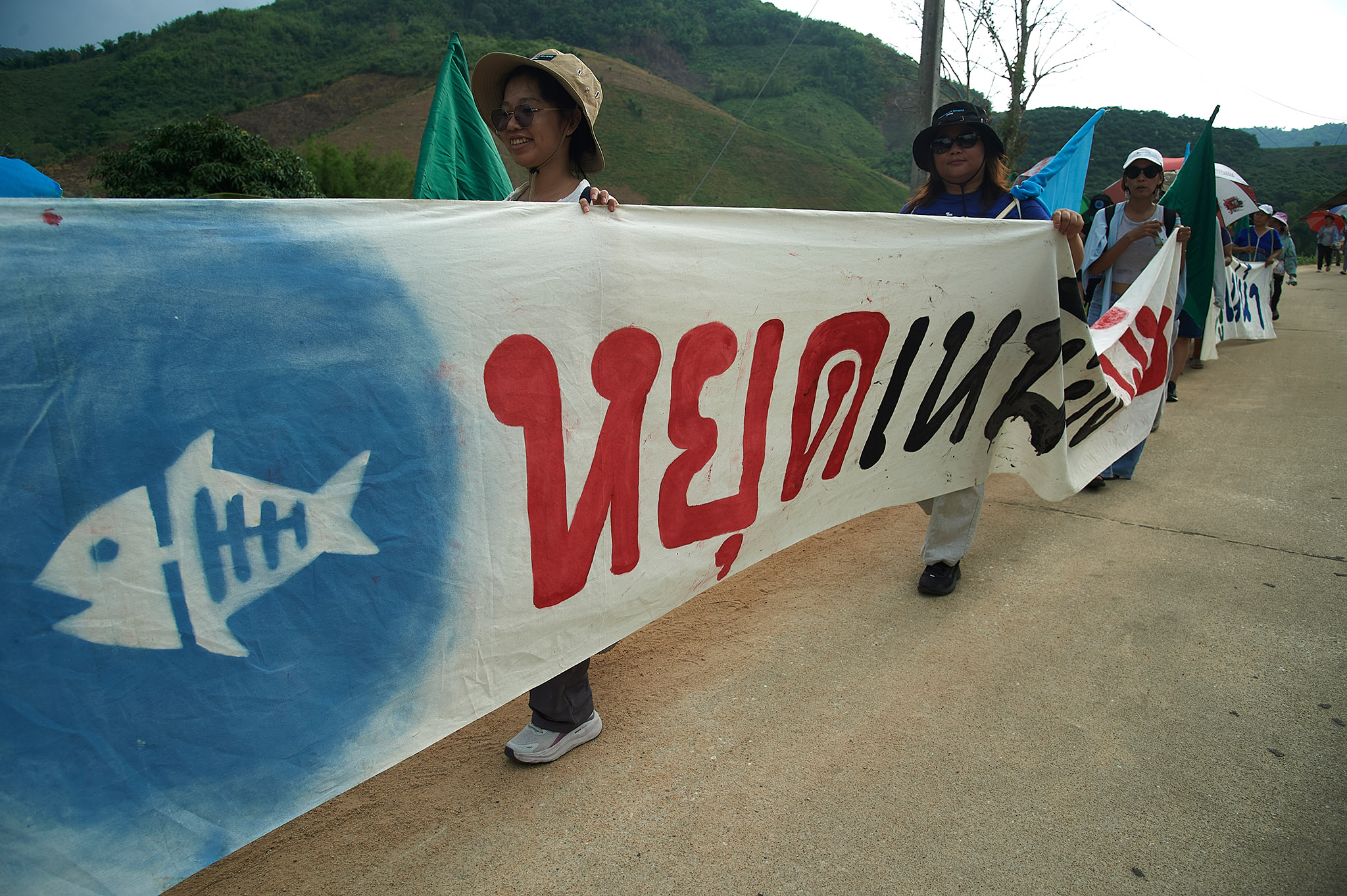
Photo: Sayan Chuenudomsavad
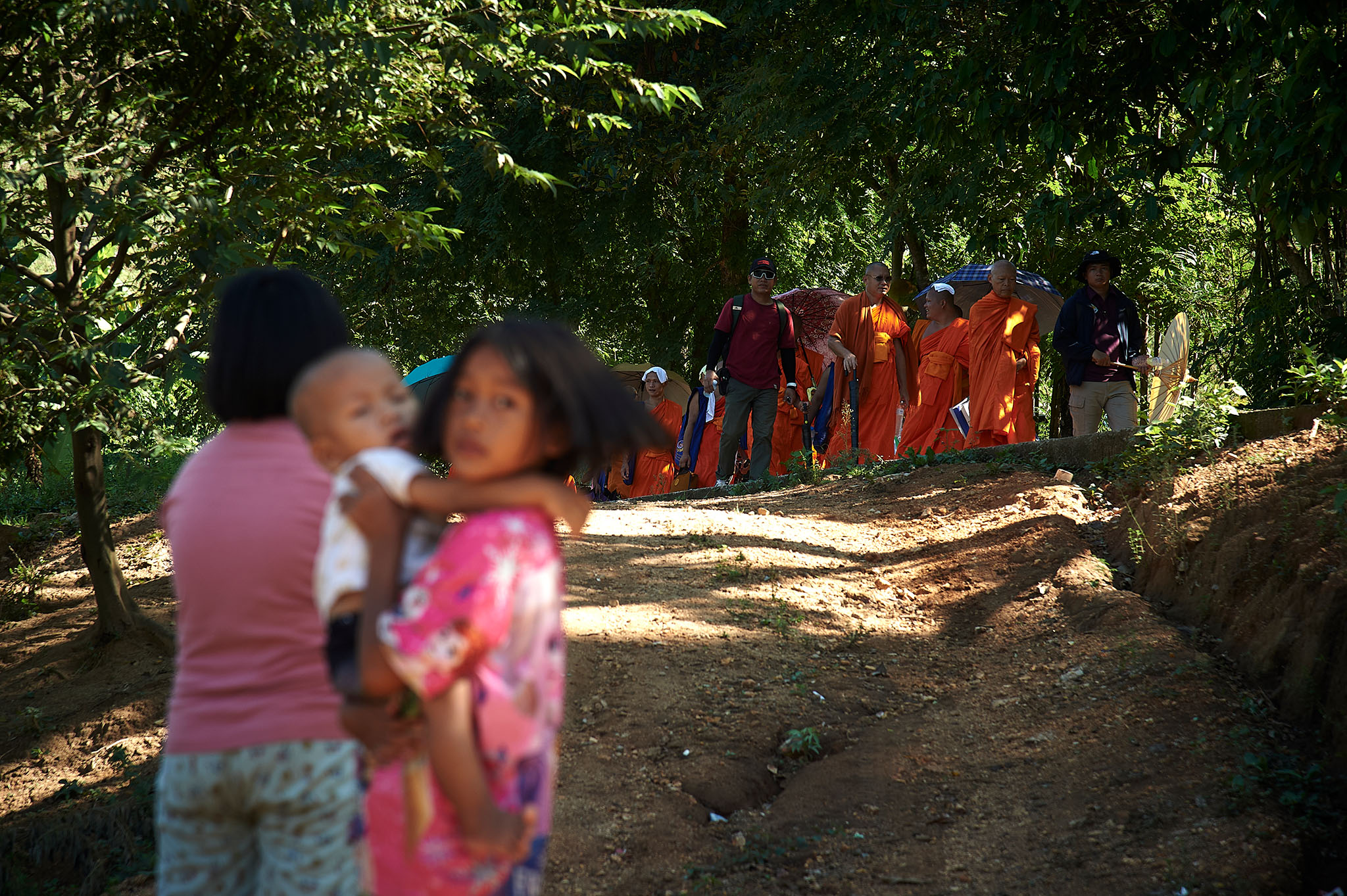
Photo: Sayan Chuenudomsavad
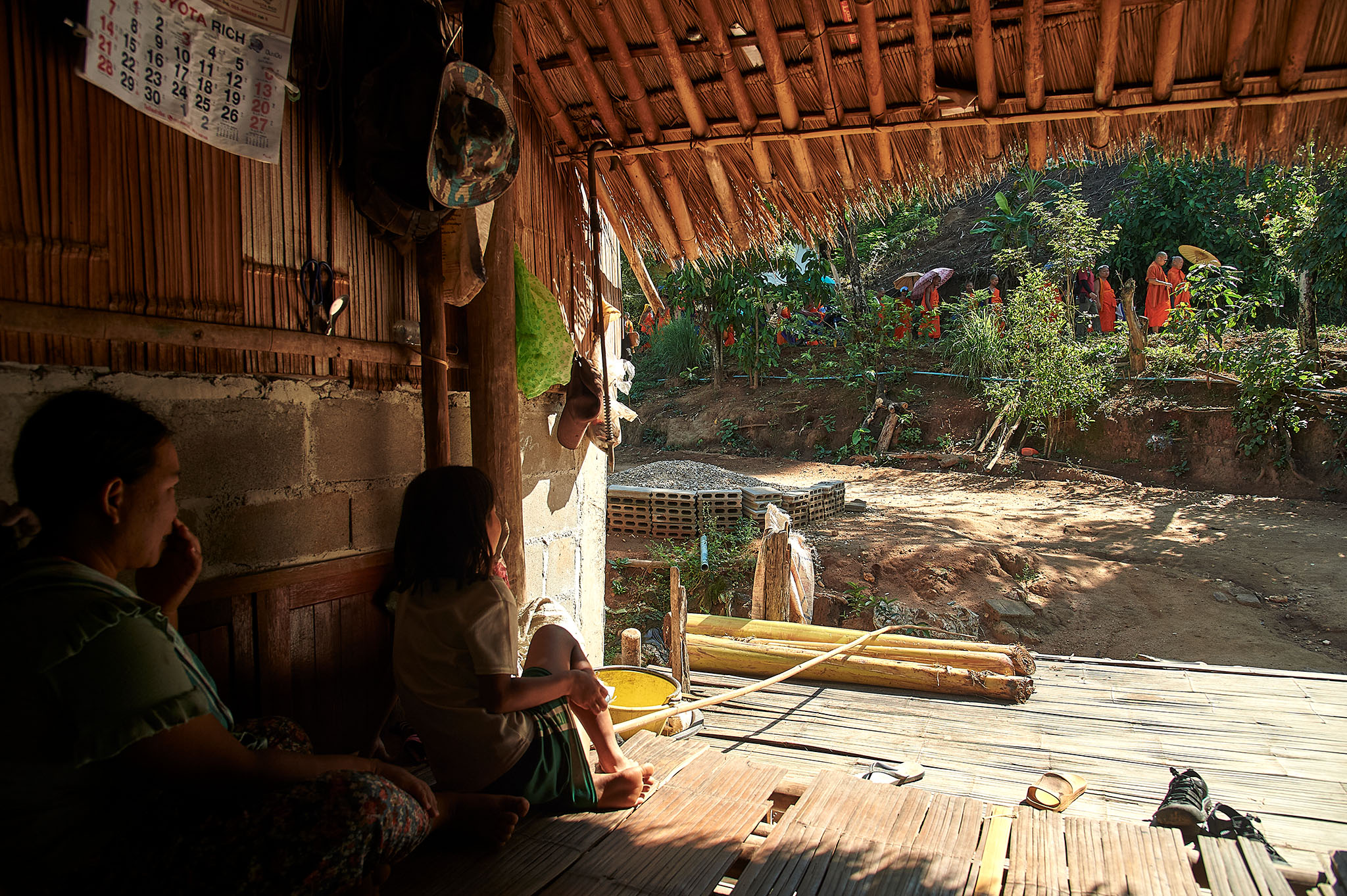
Photo: Sayan Chuenudomsavad
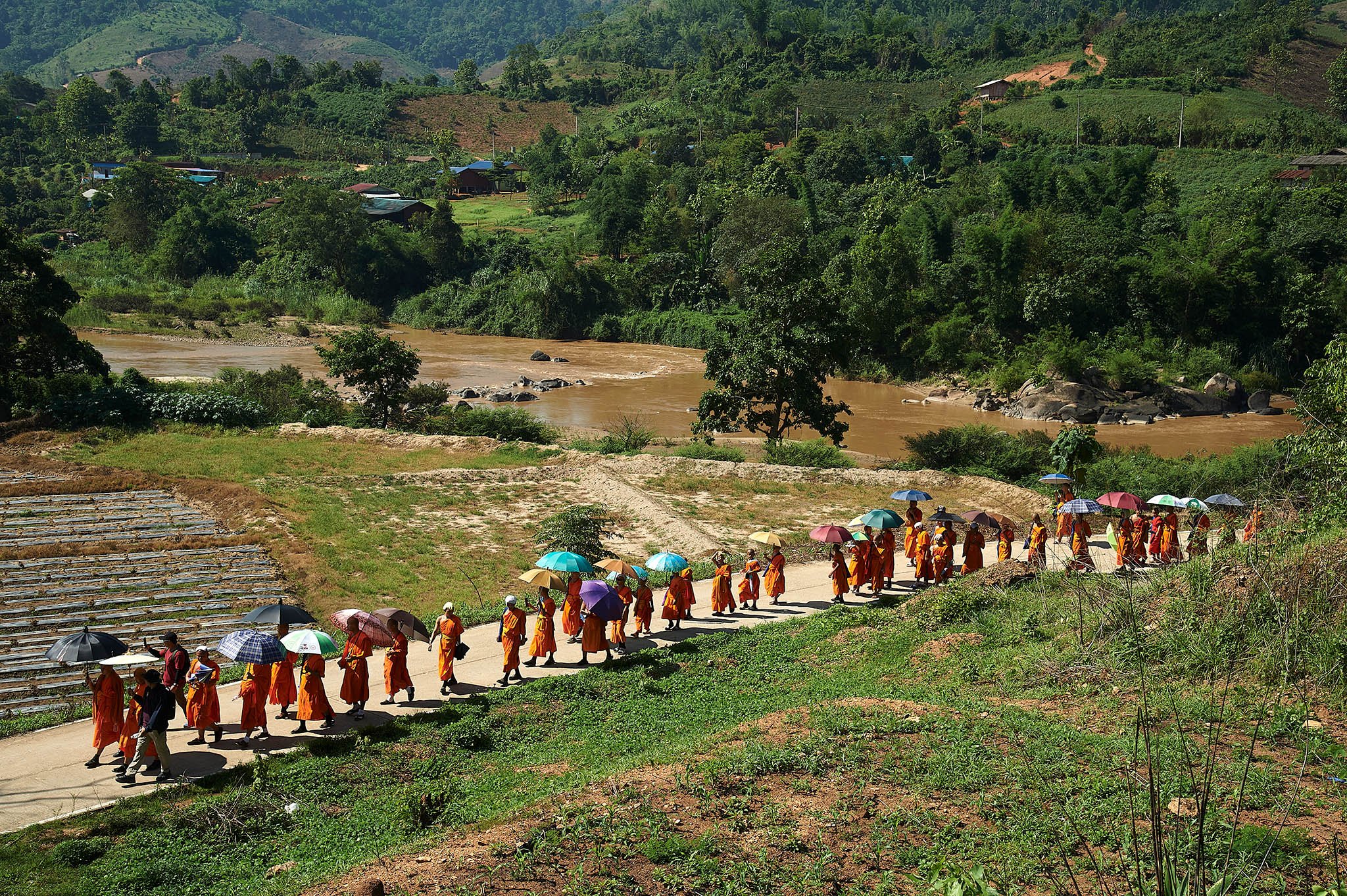
Photo: Sayan Chuenudomsavad
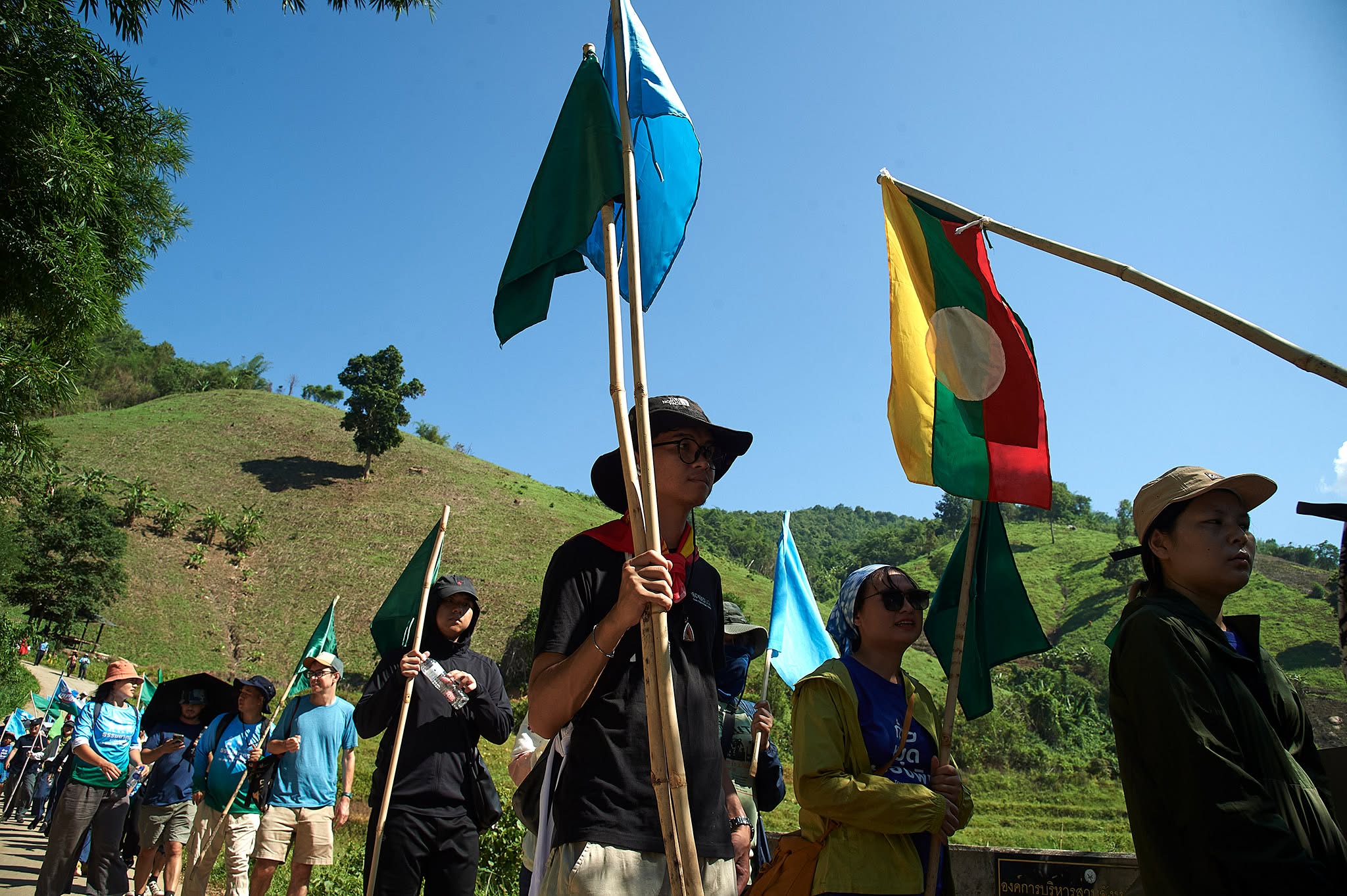
Photo: Sayan Chuenudomsavad
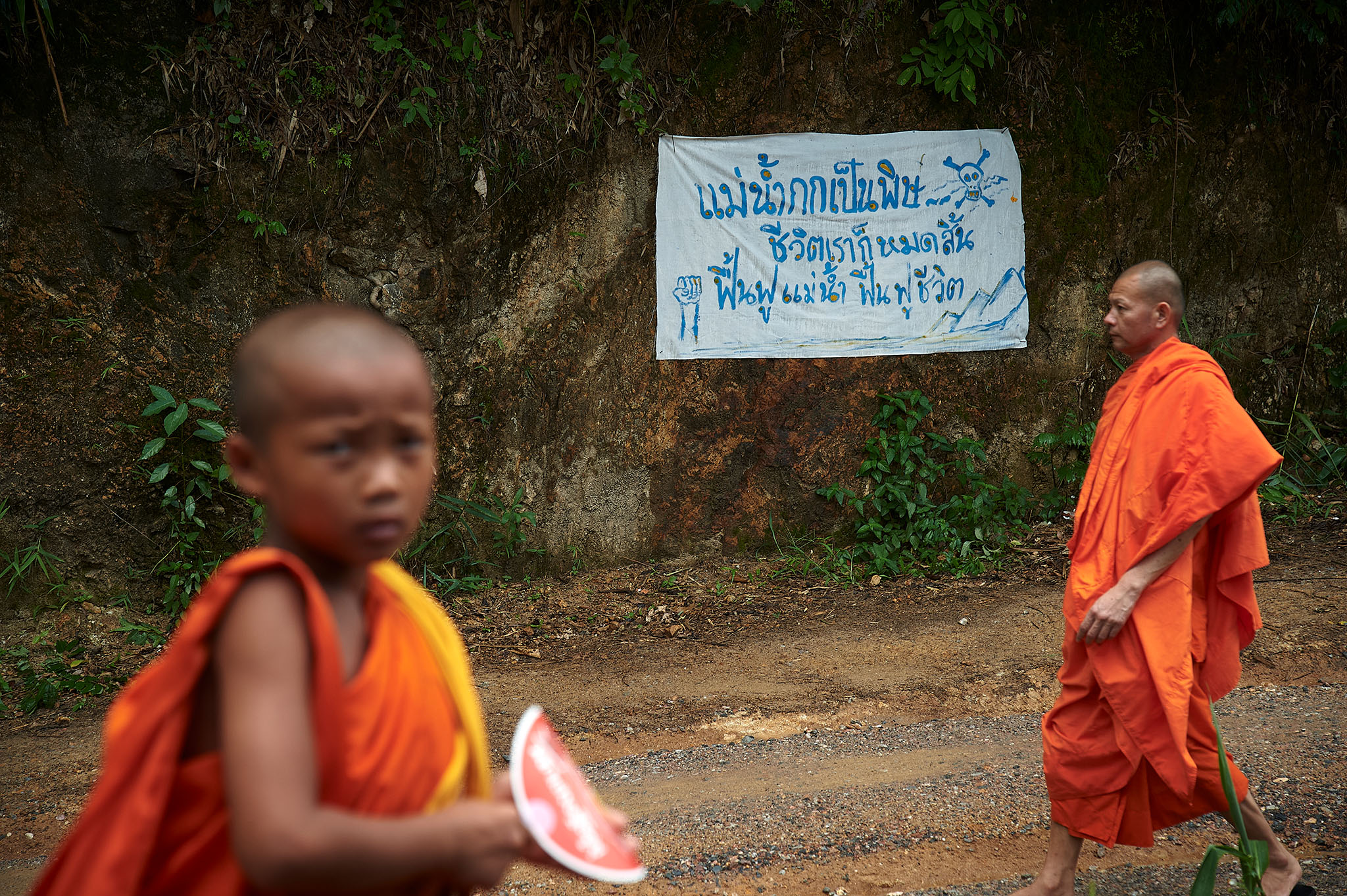
Photo: Sayan Chuenudomsavad
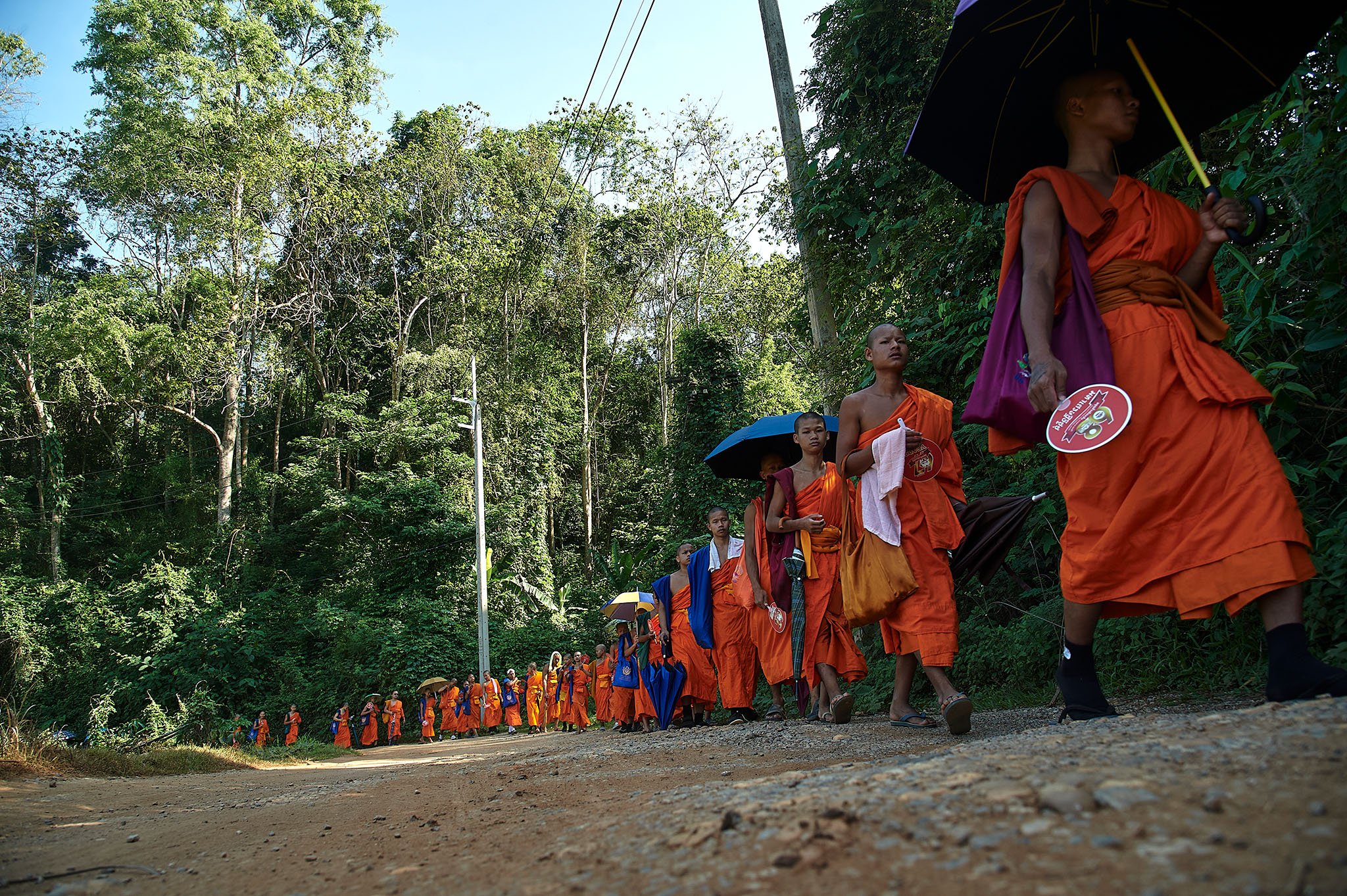
Photo: Sayan Chuenudomsavad
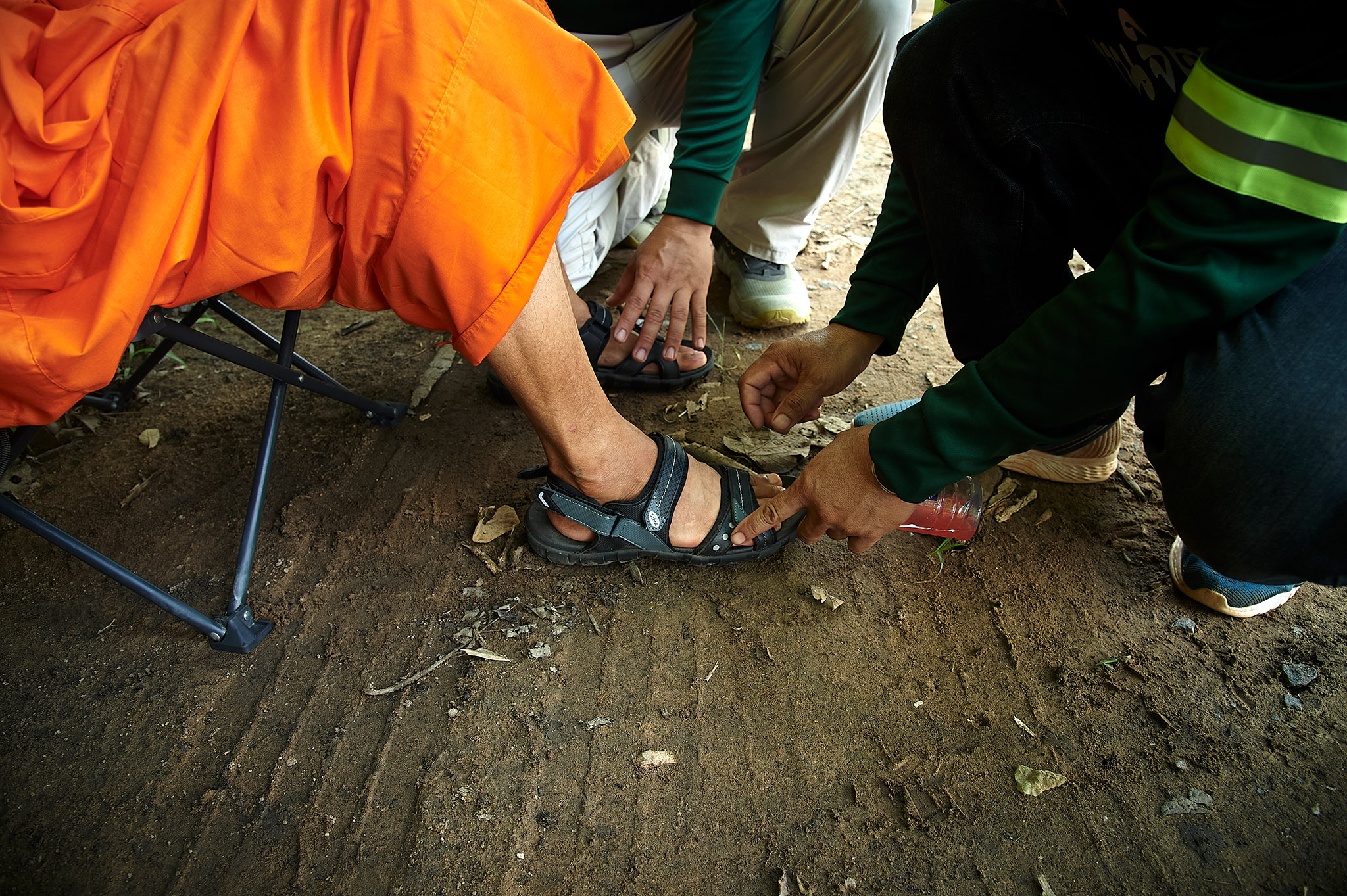
Photo: Sayan Chuenudomsavad
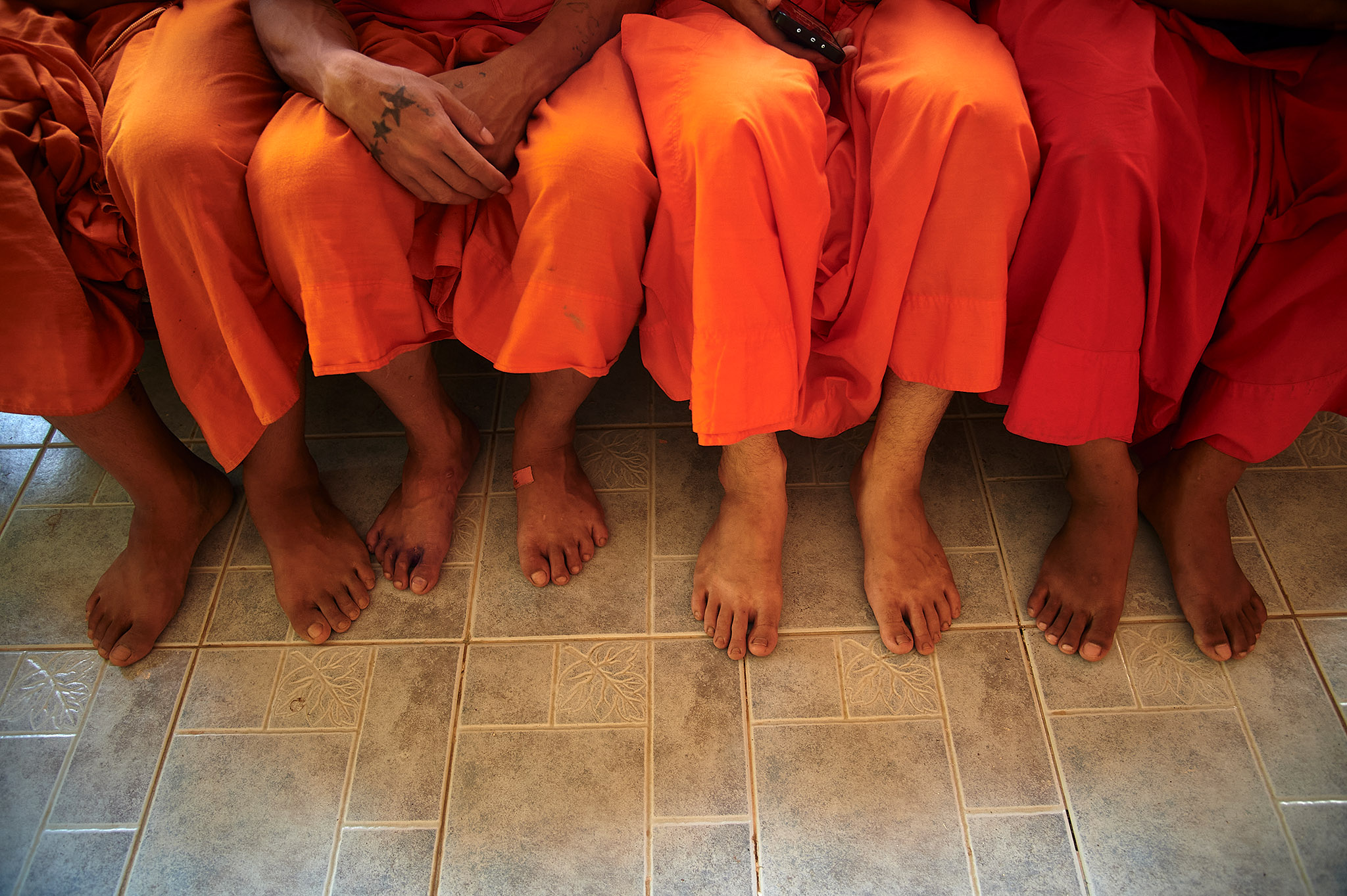
Photo: Sayan Chuenudomsavad

Photo: Sayan Chuenudomsavad
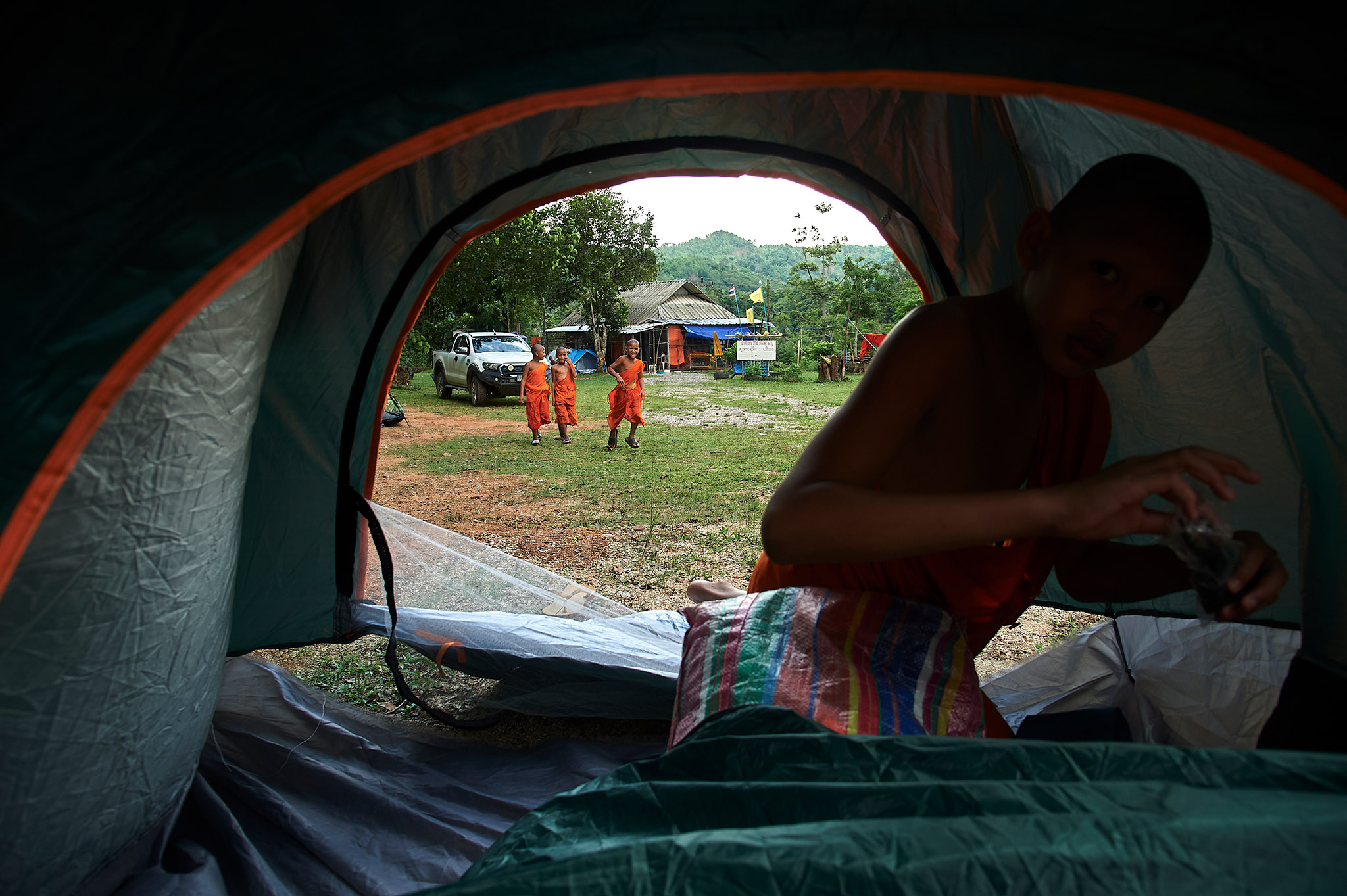
Photo: Sayan Chuenudomsavad
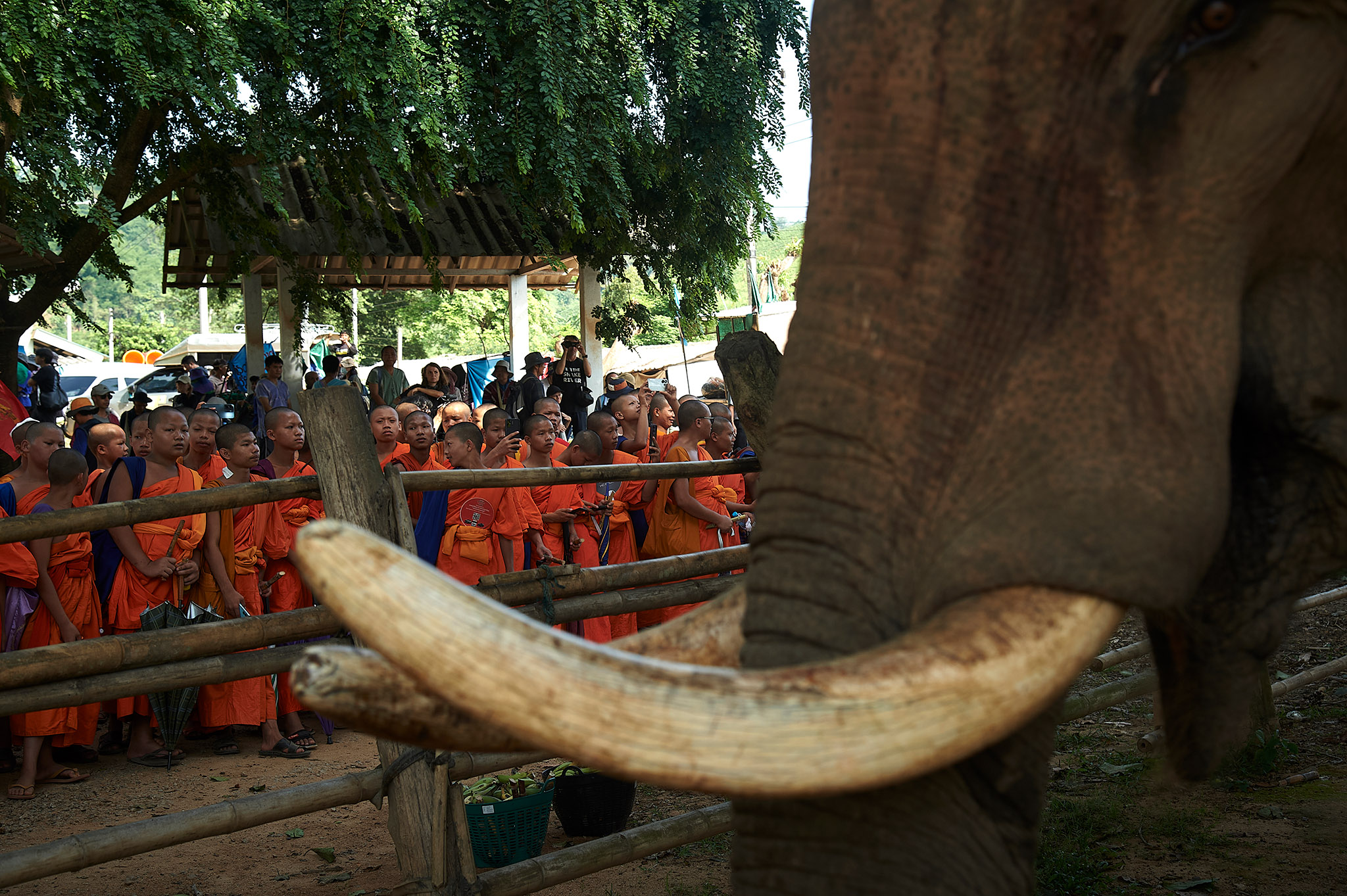
Photo: Sayan Chuenudomsavad
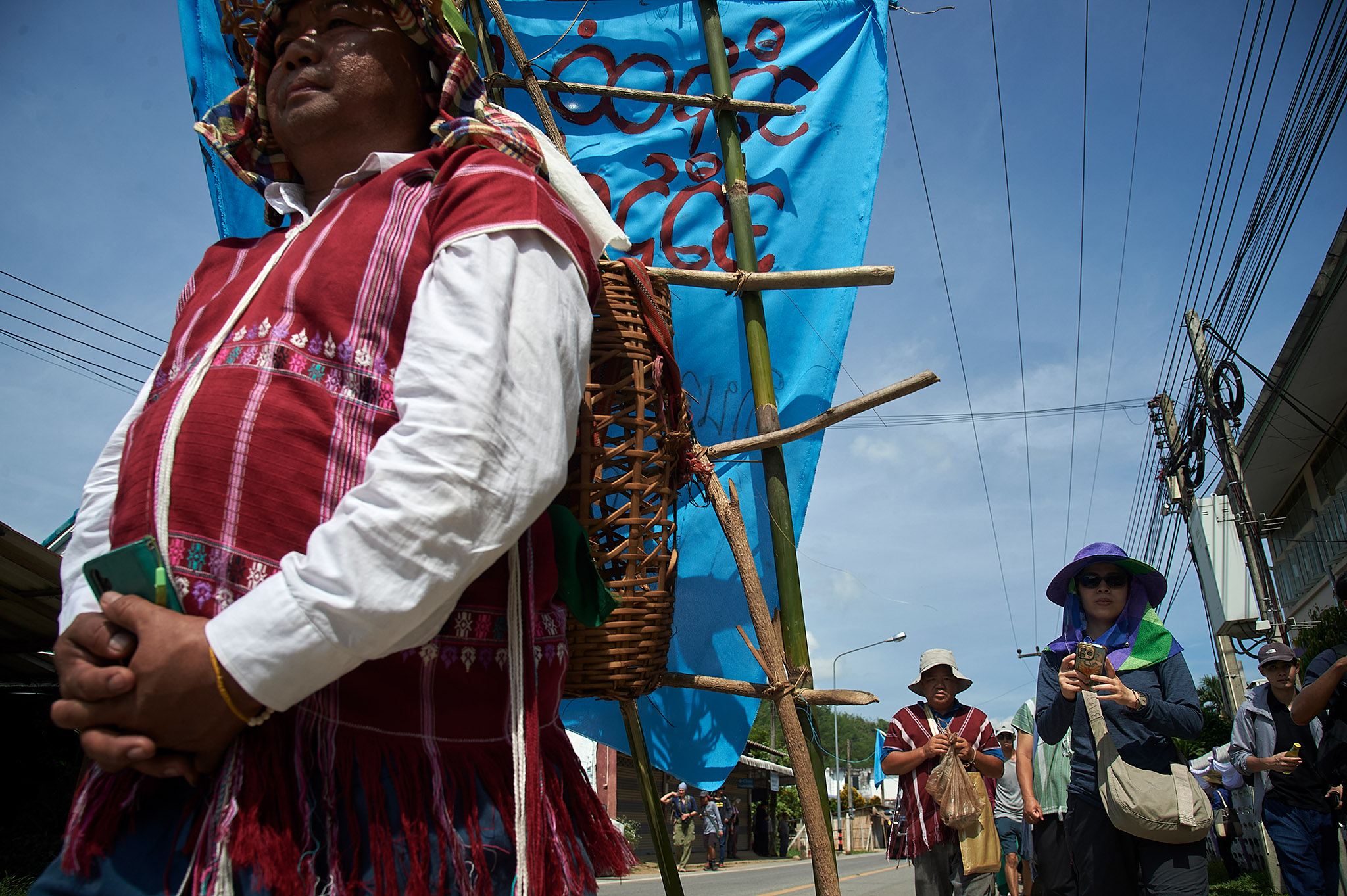
Photo: Sayan Chuenudomsavad
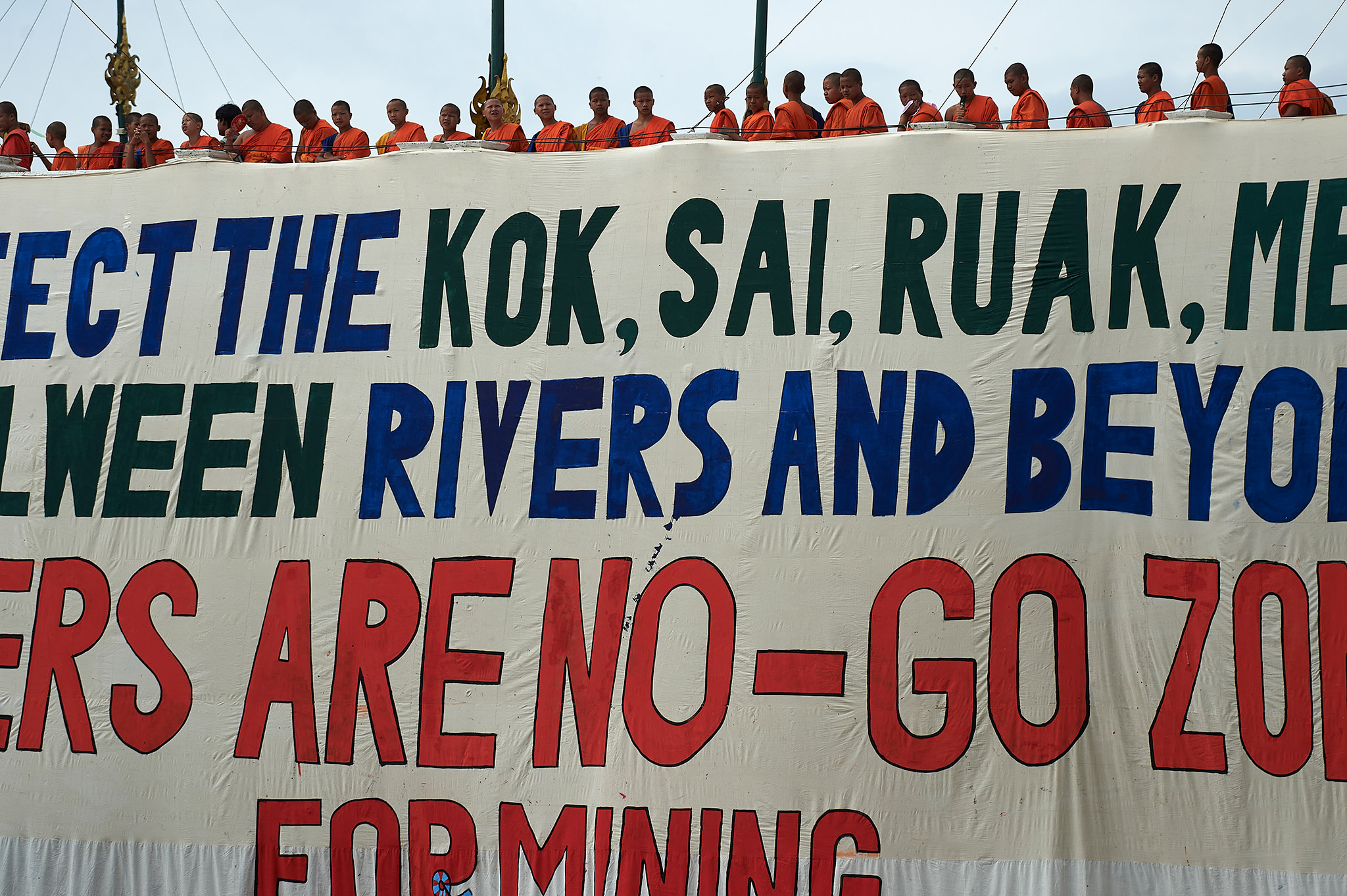
Photo: Sayan Chuenudomsavad
Photo: Sayan Chuenudomsavad
Photo: Sayan Chuenudomsavad
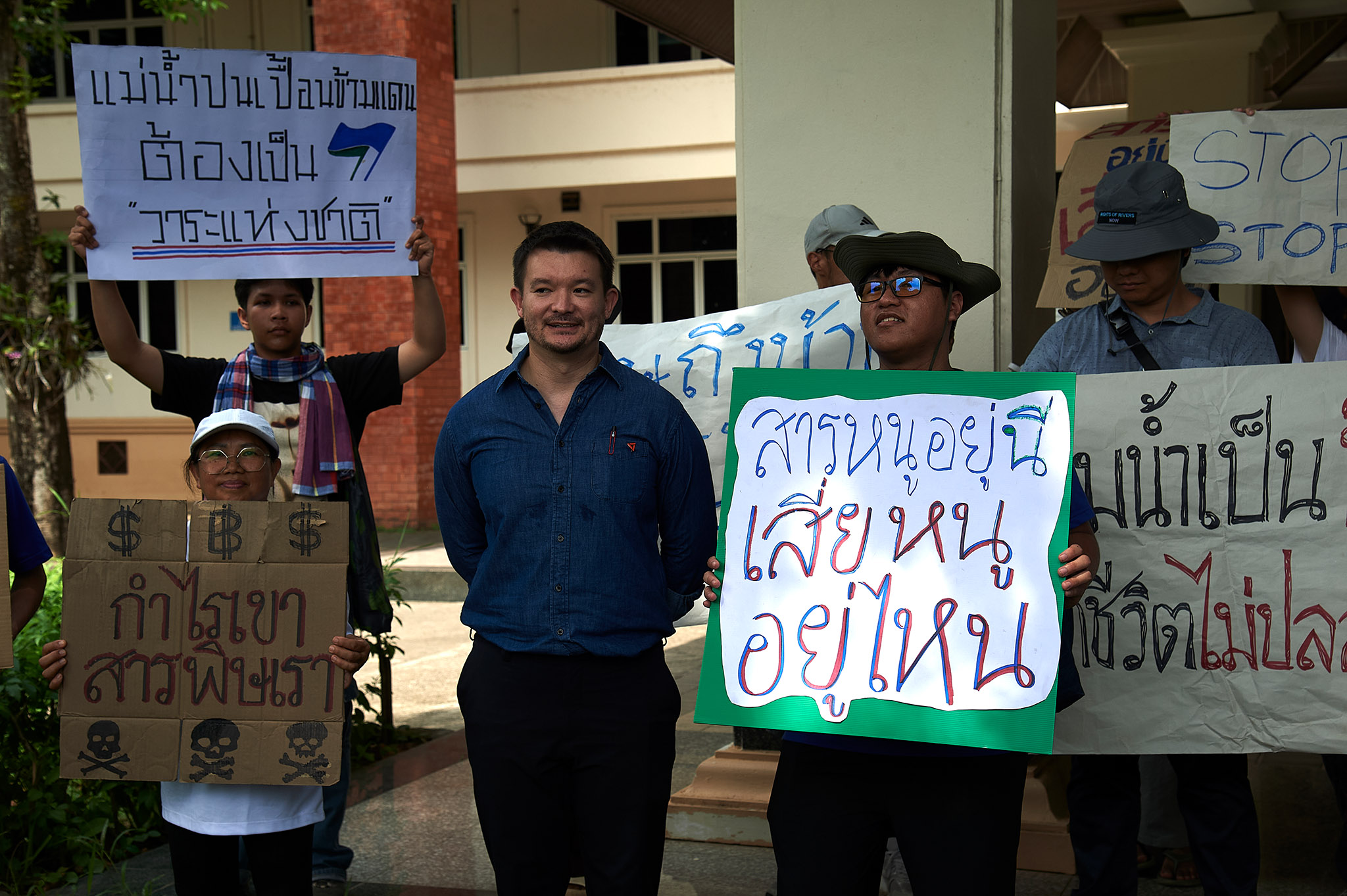
Photo: Sayan Chuenudomsavad
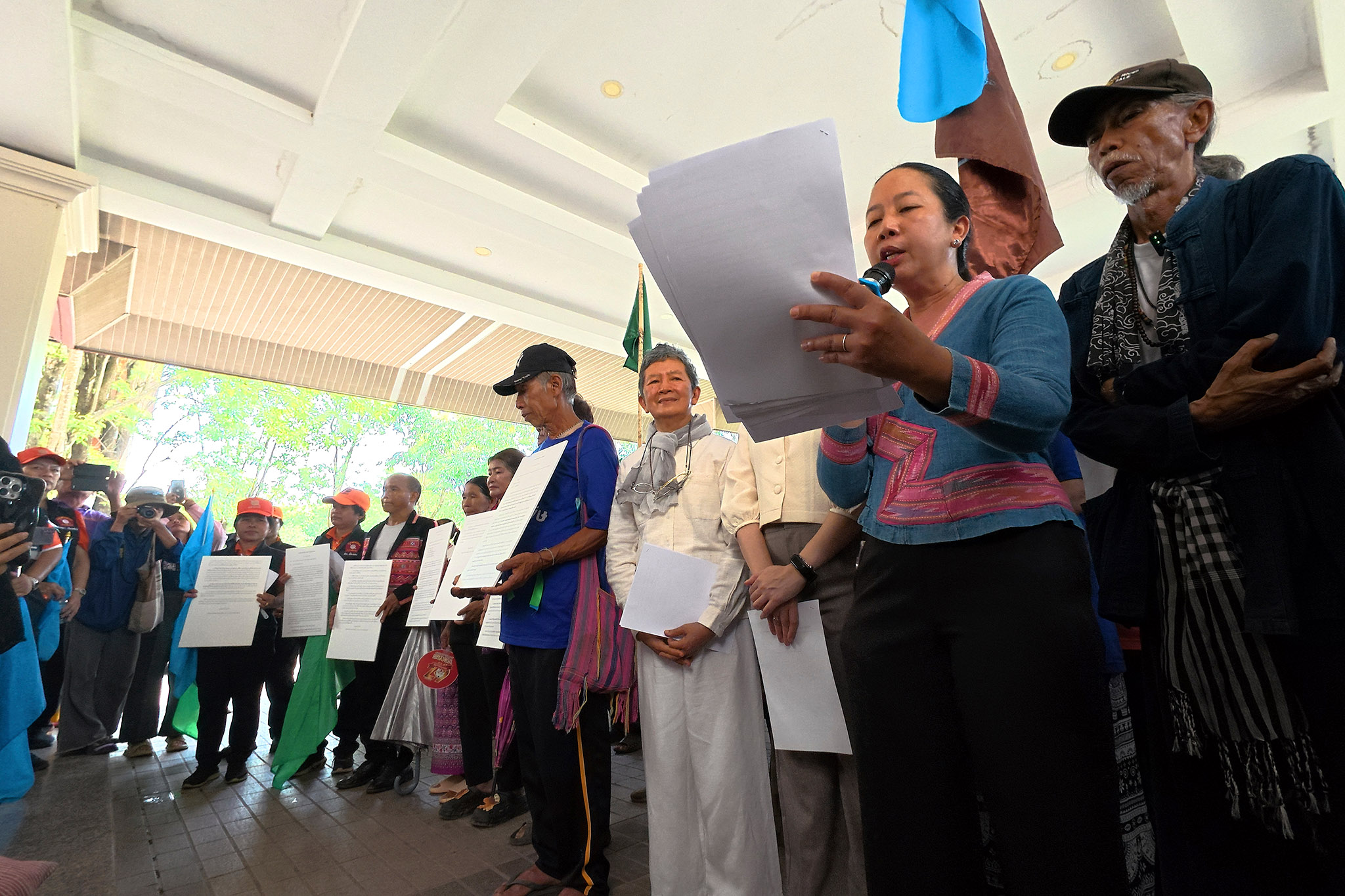
Photo: Sayan Chuenudomsavad
Photo: Sayan Chuenudomsavad

Indie • in-depth online news agency
to “bridge the gap” and “connect the dots” with critical and constructive minds on development and environmental policies in Thailand and the Mekong region; to deliver meaningful messages and create the big picture critical to public understanding and decision-making, thus truly being the public’s critical voice