
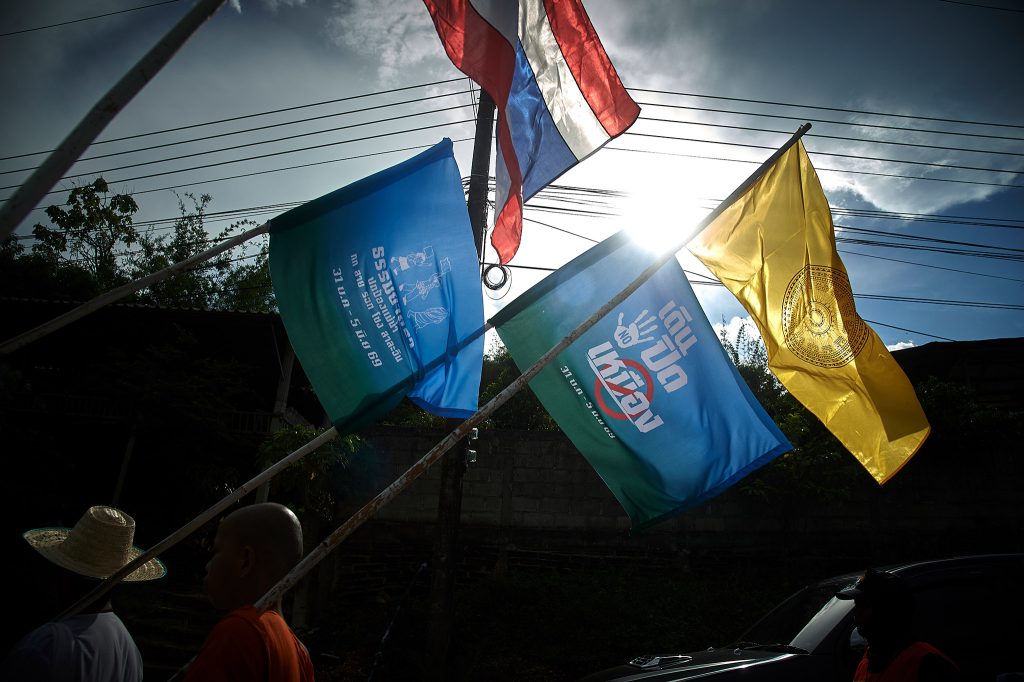
In his 62nd year, Phra Maha Nikhom has taken Dhamma on the road.
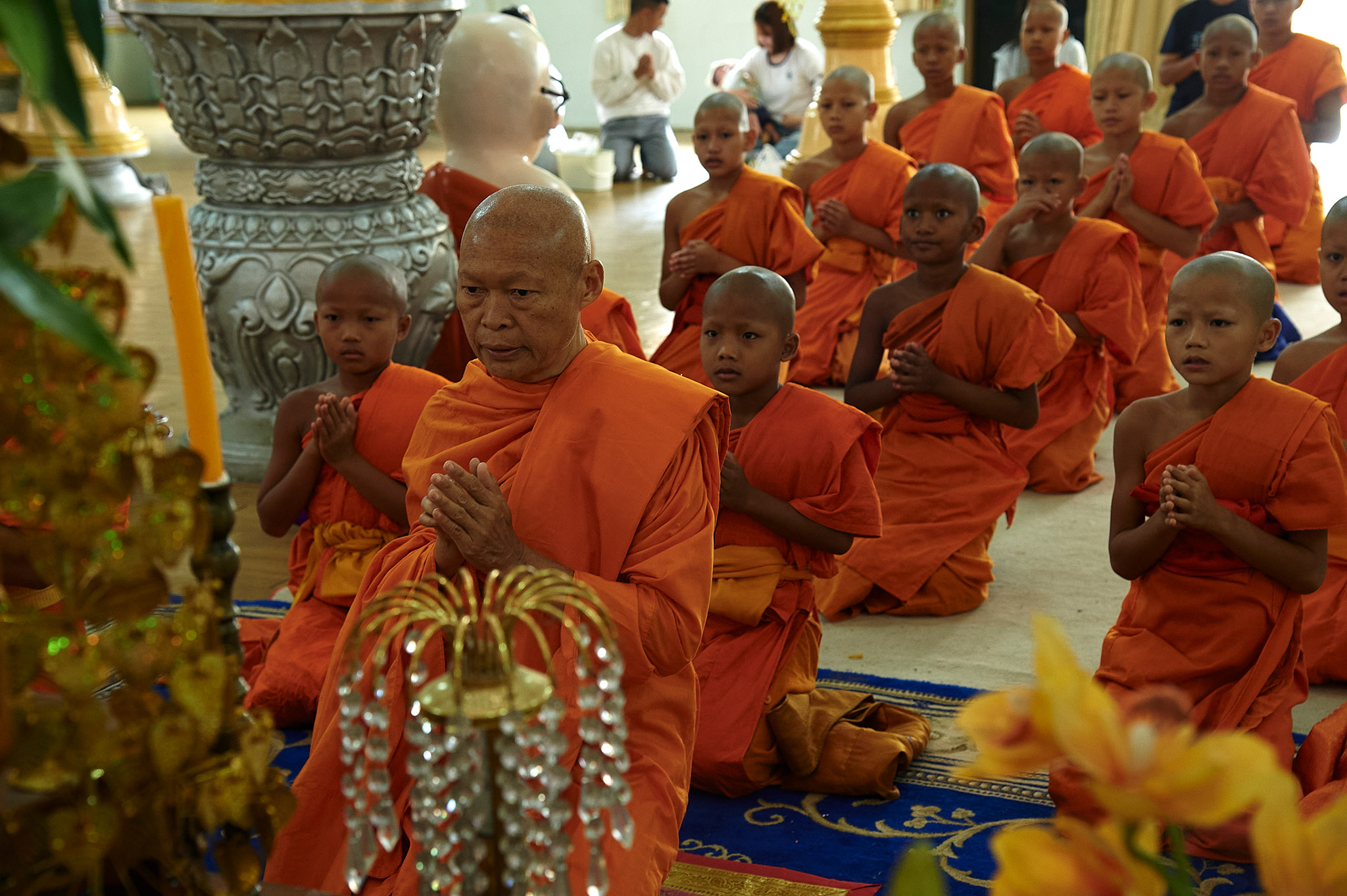
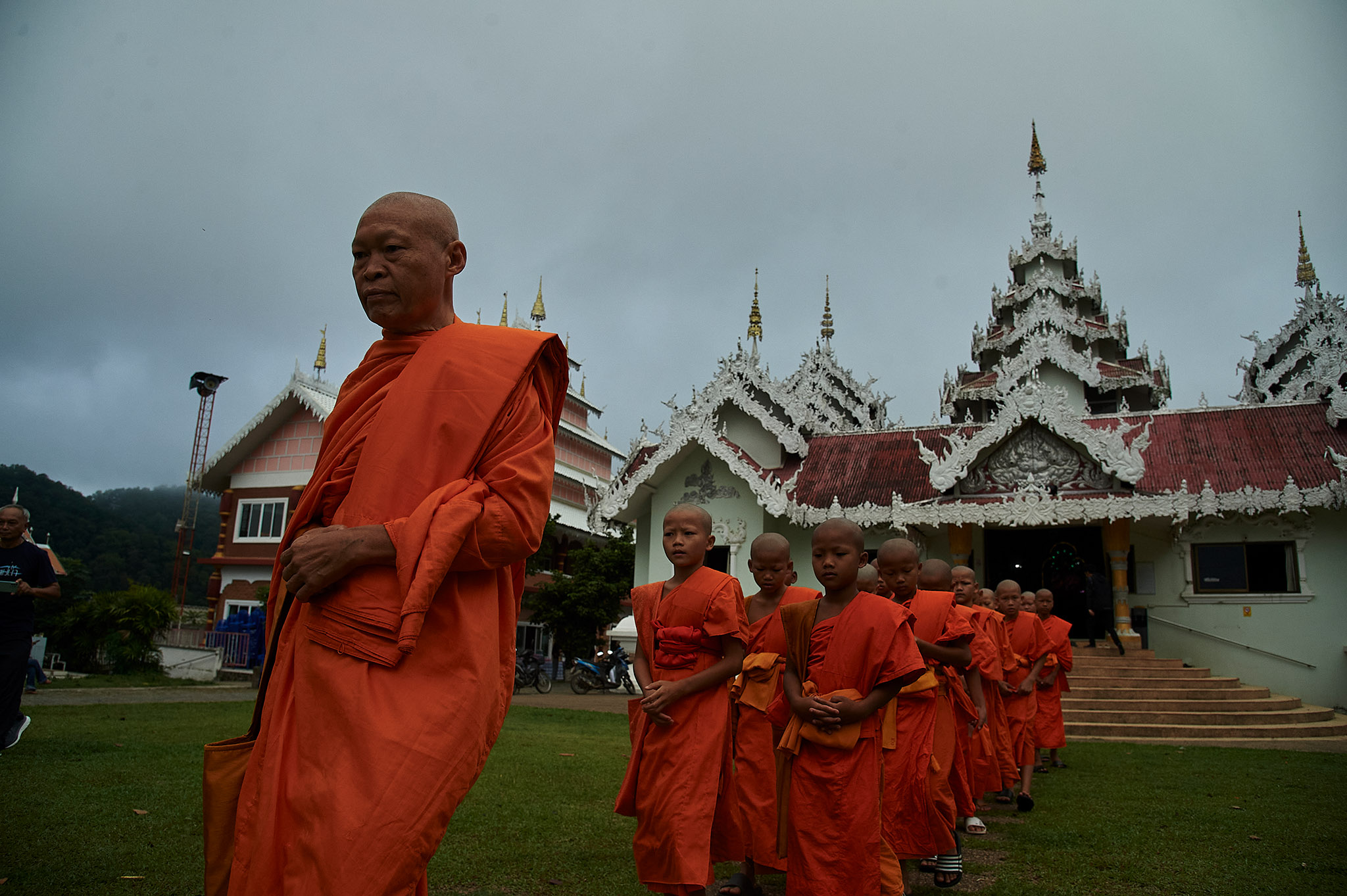
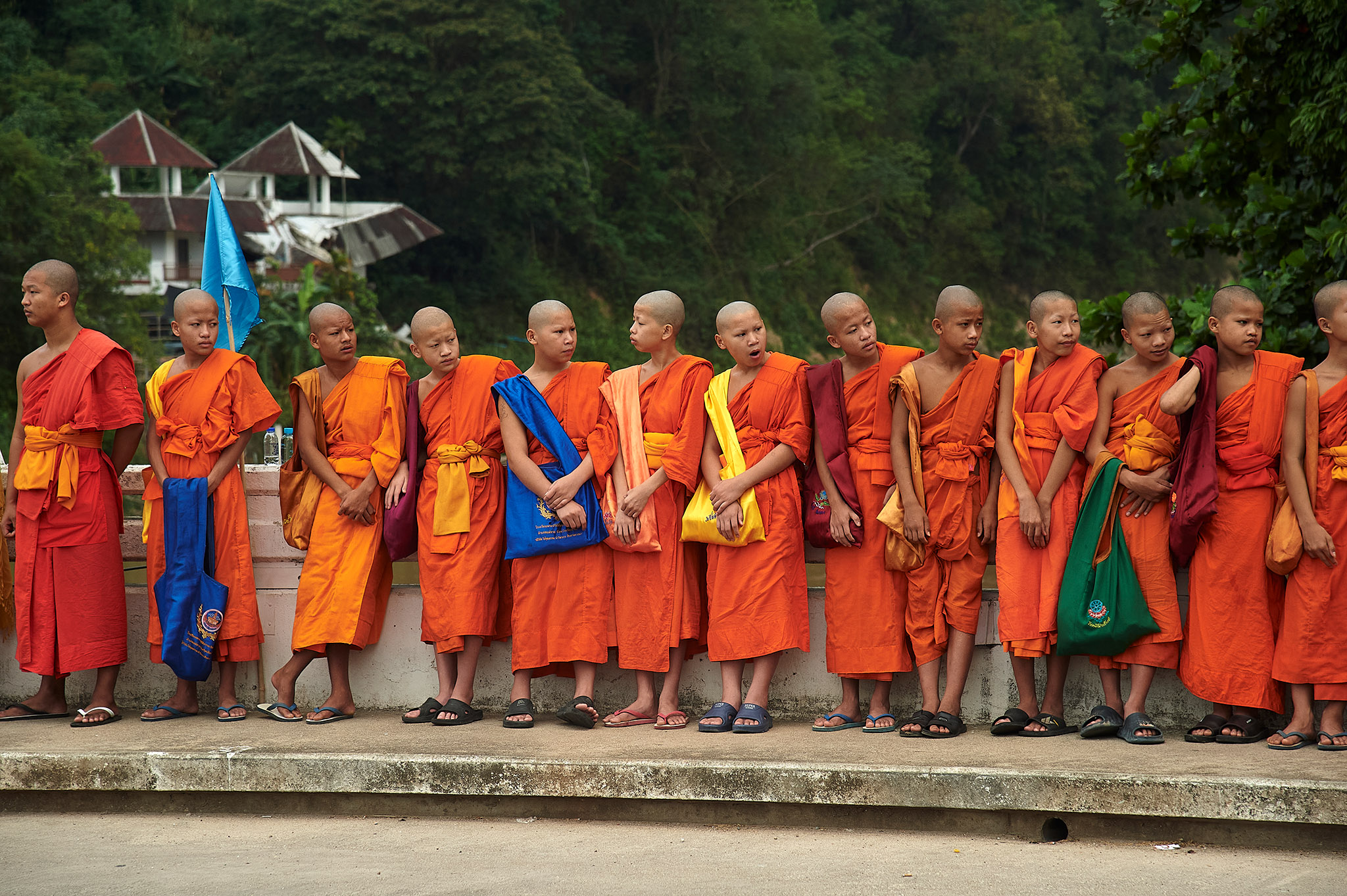
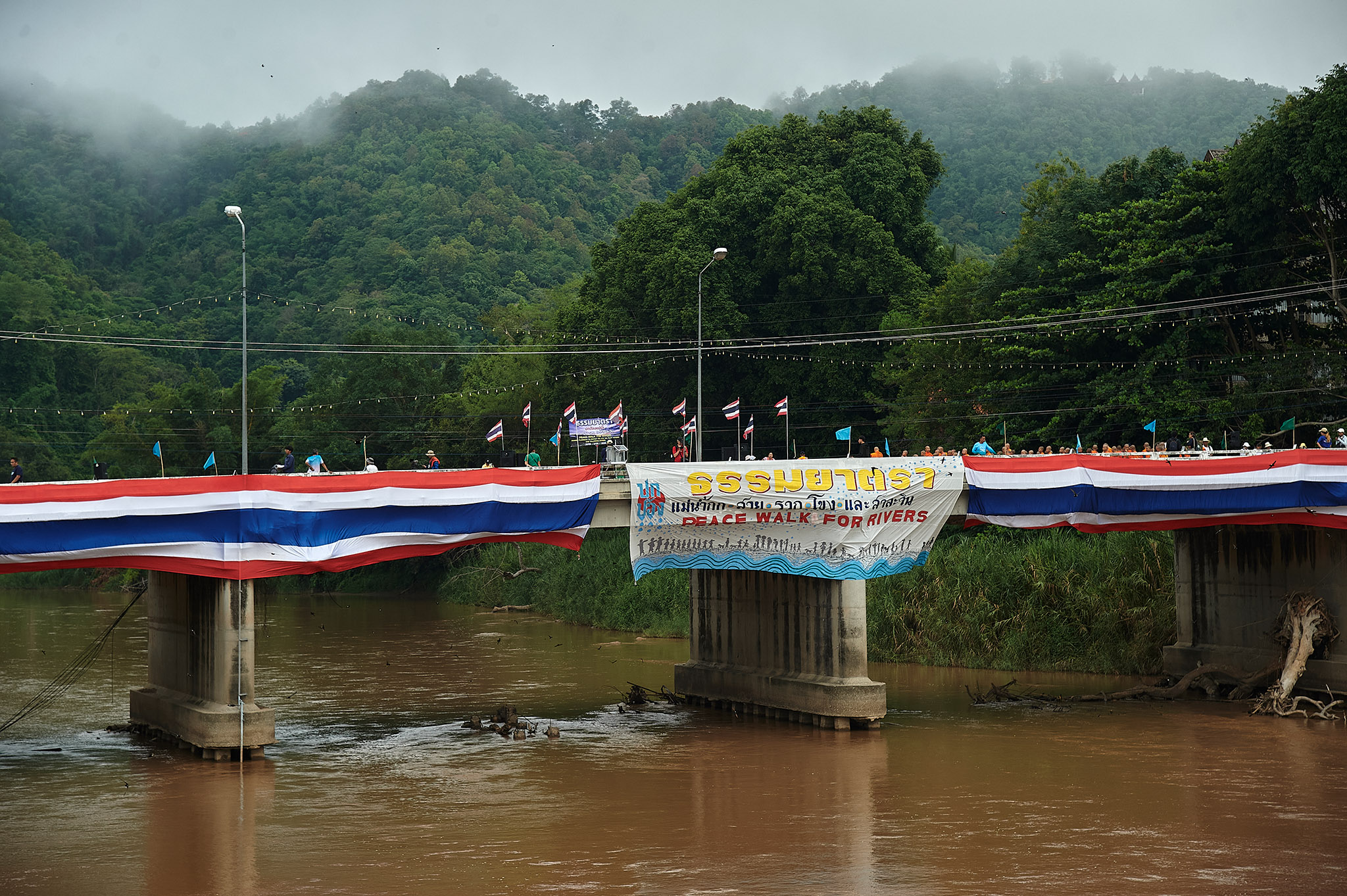
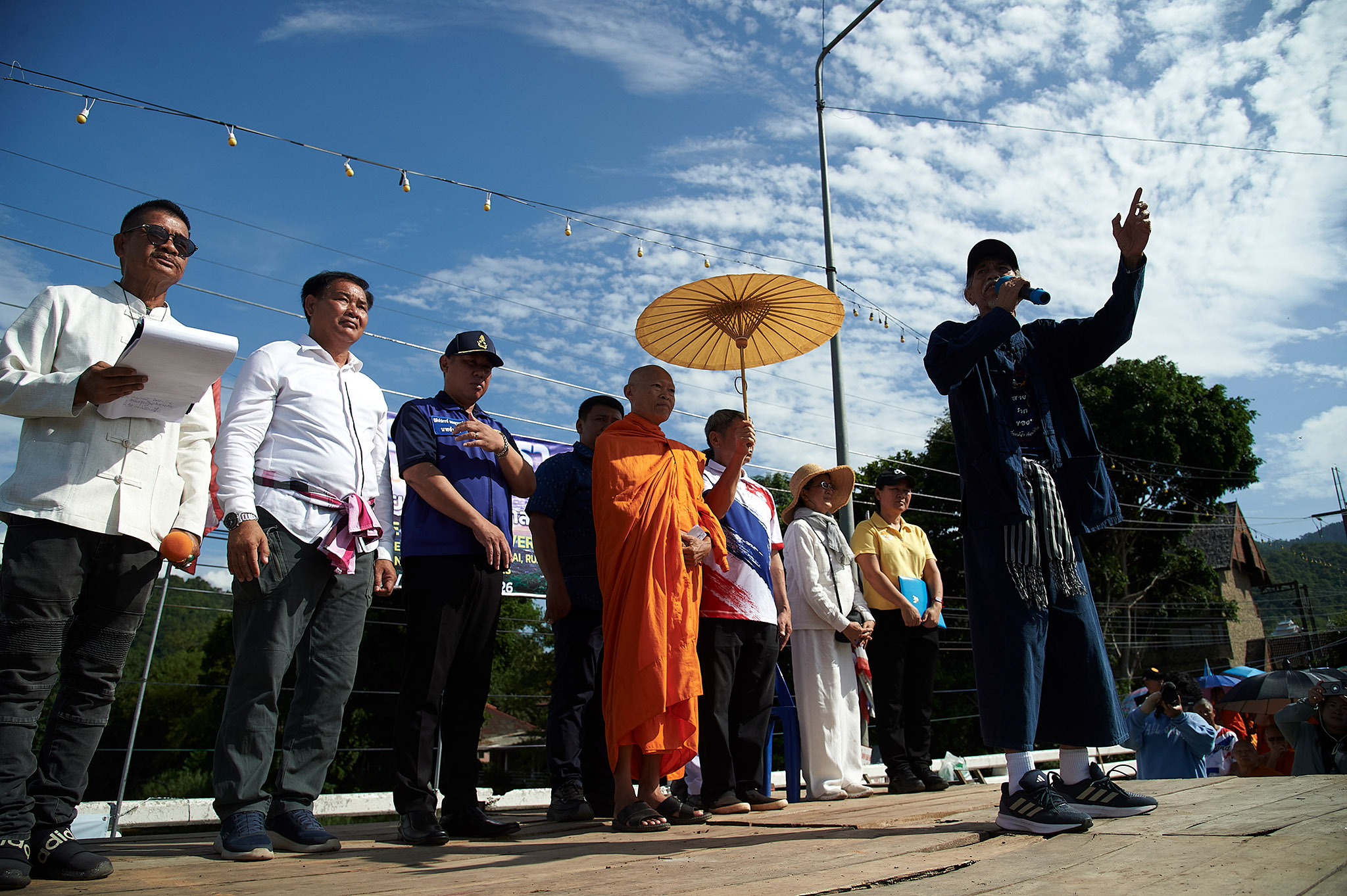
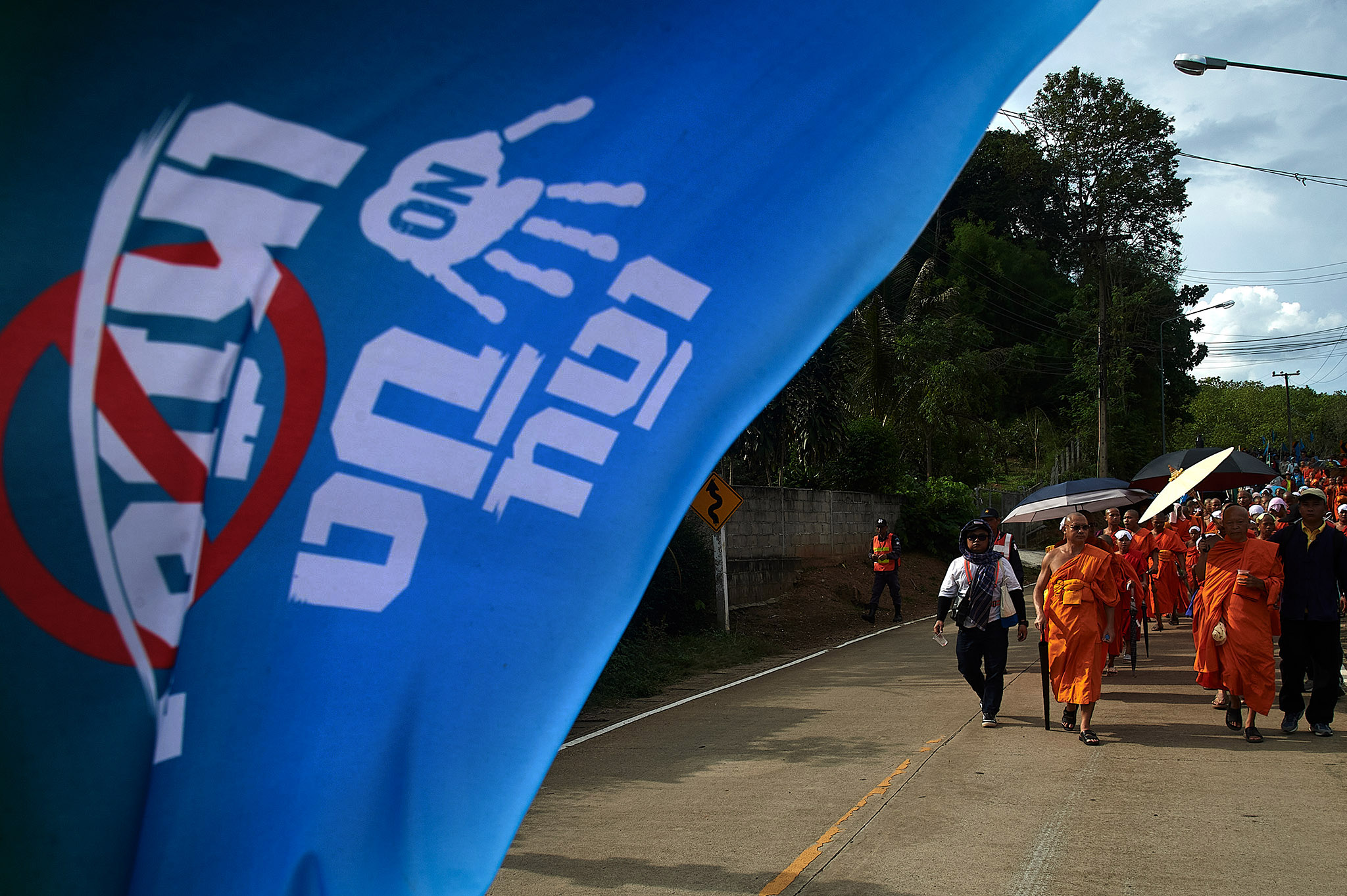
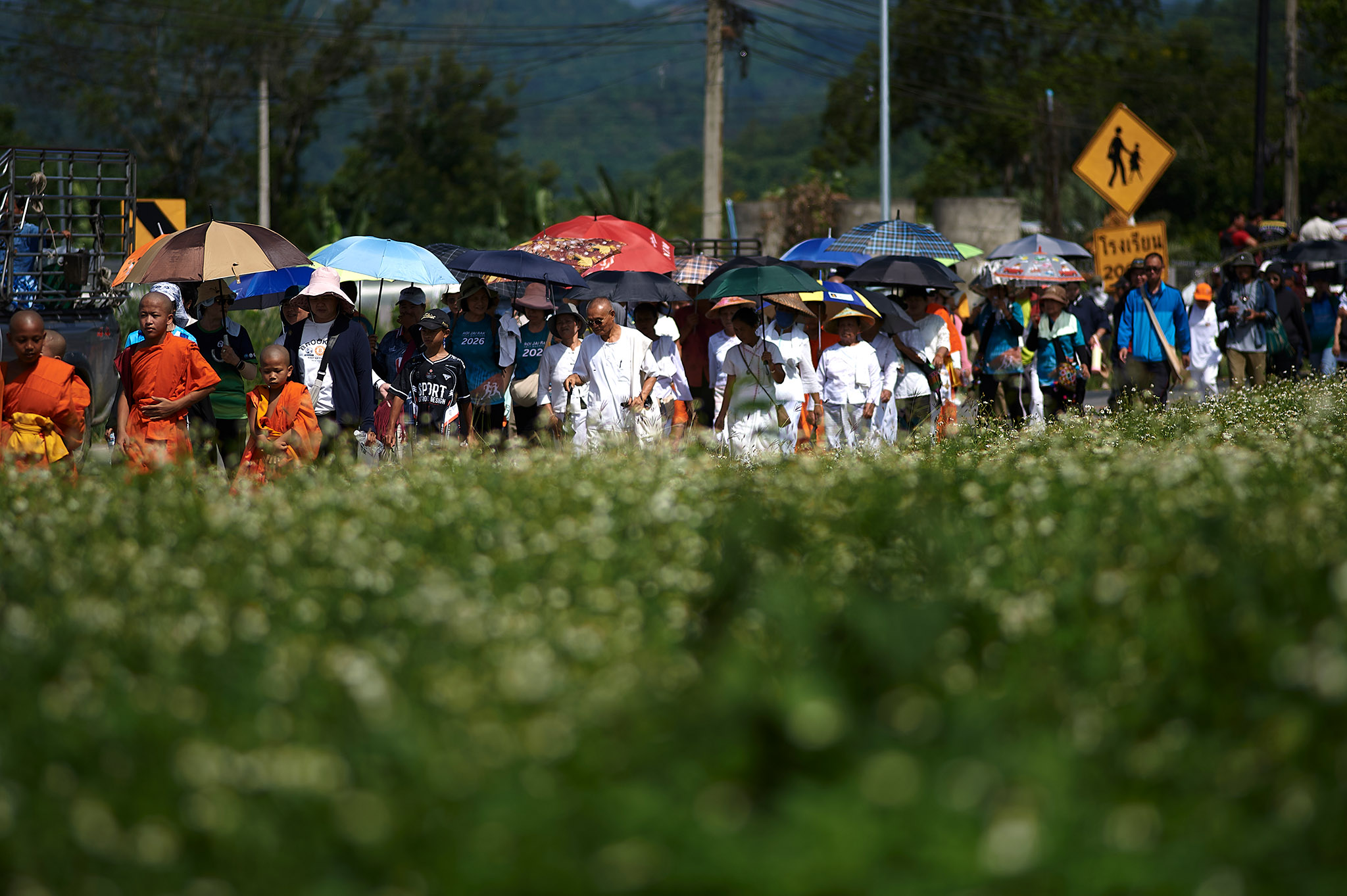
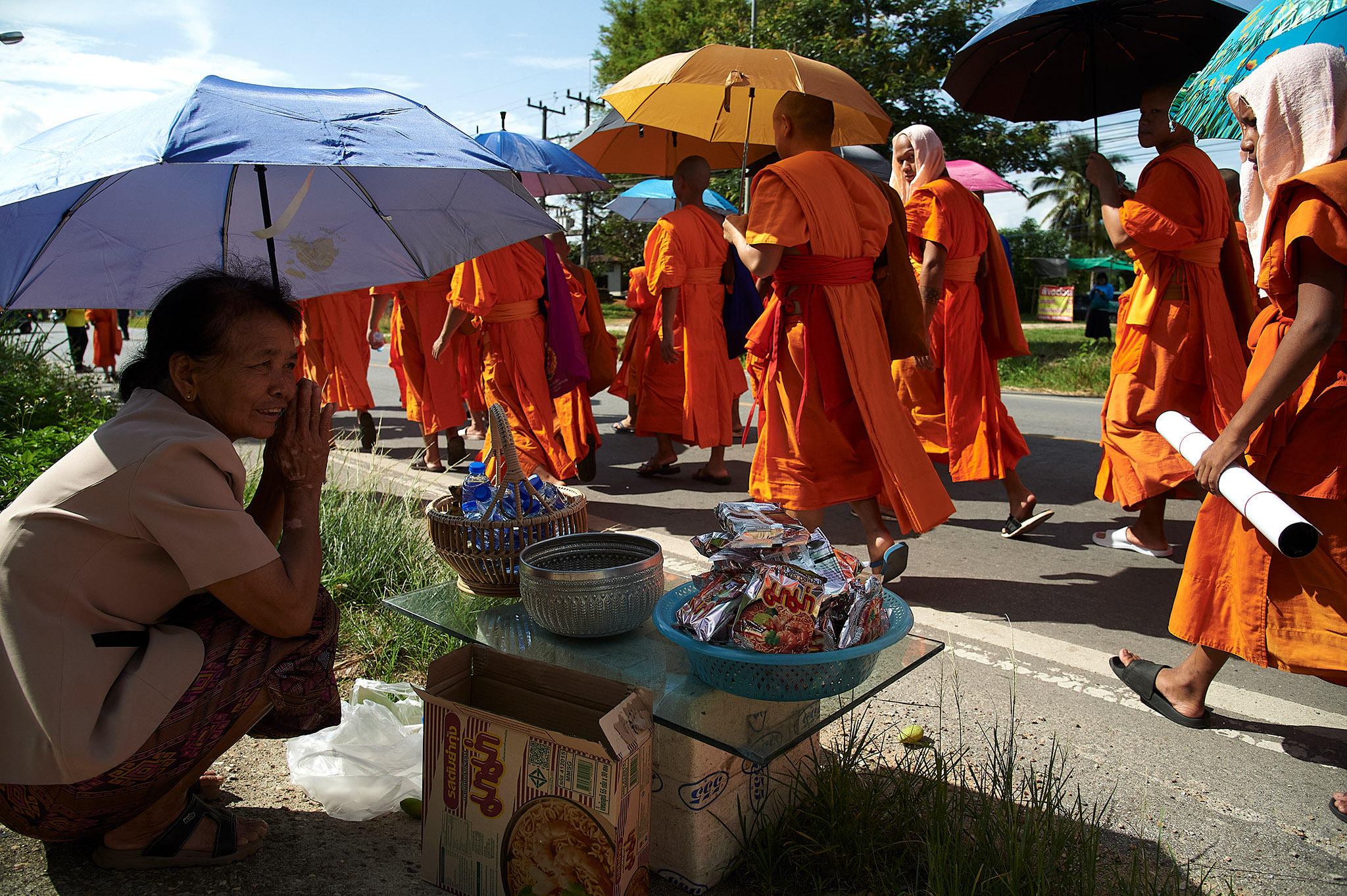
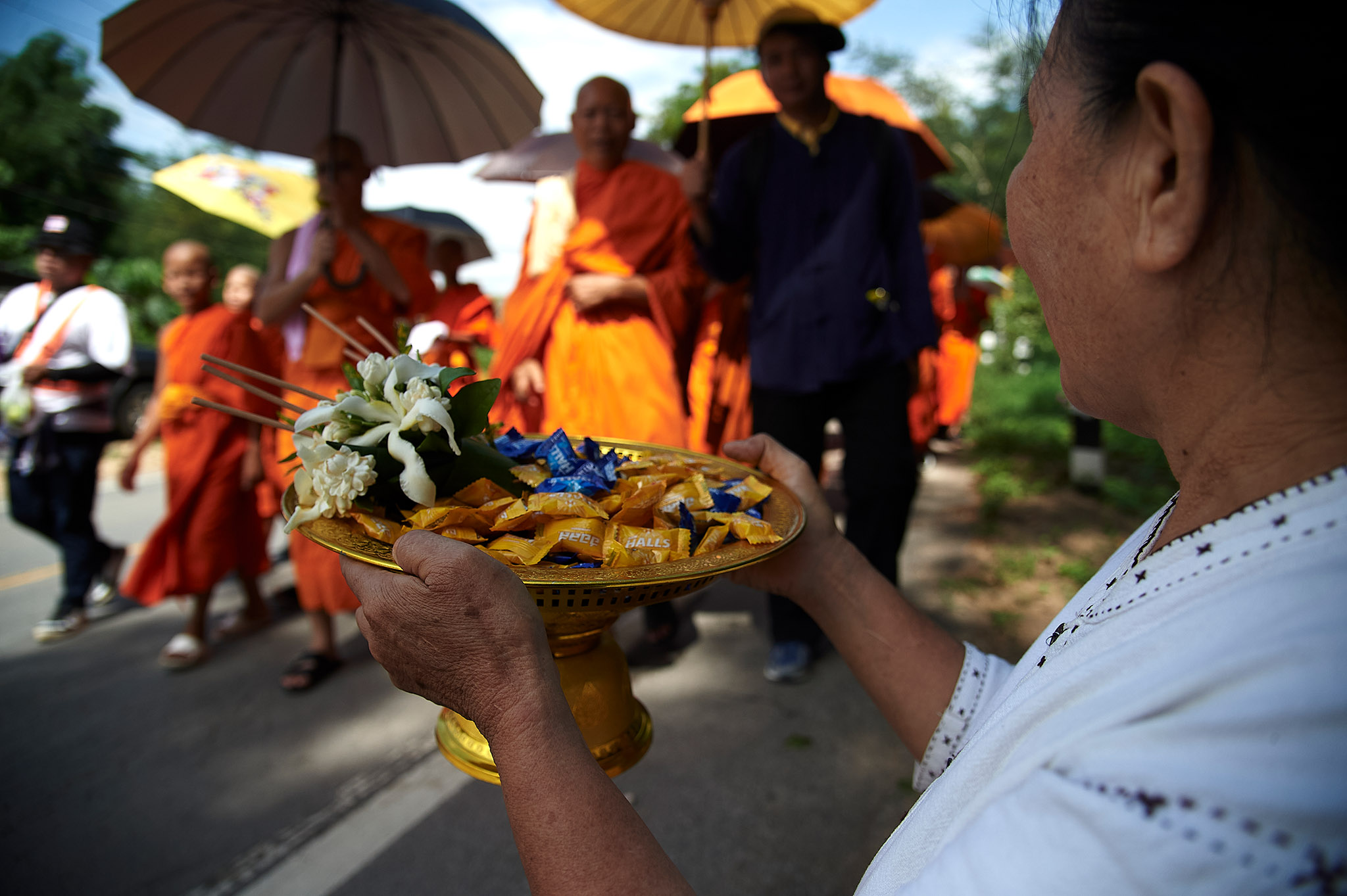
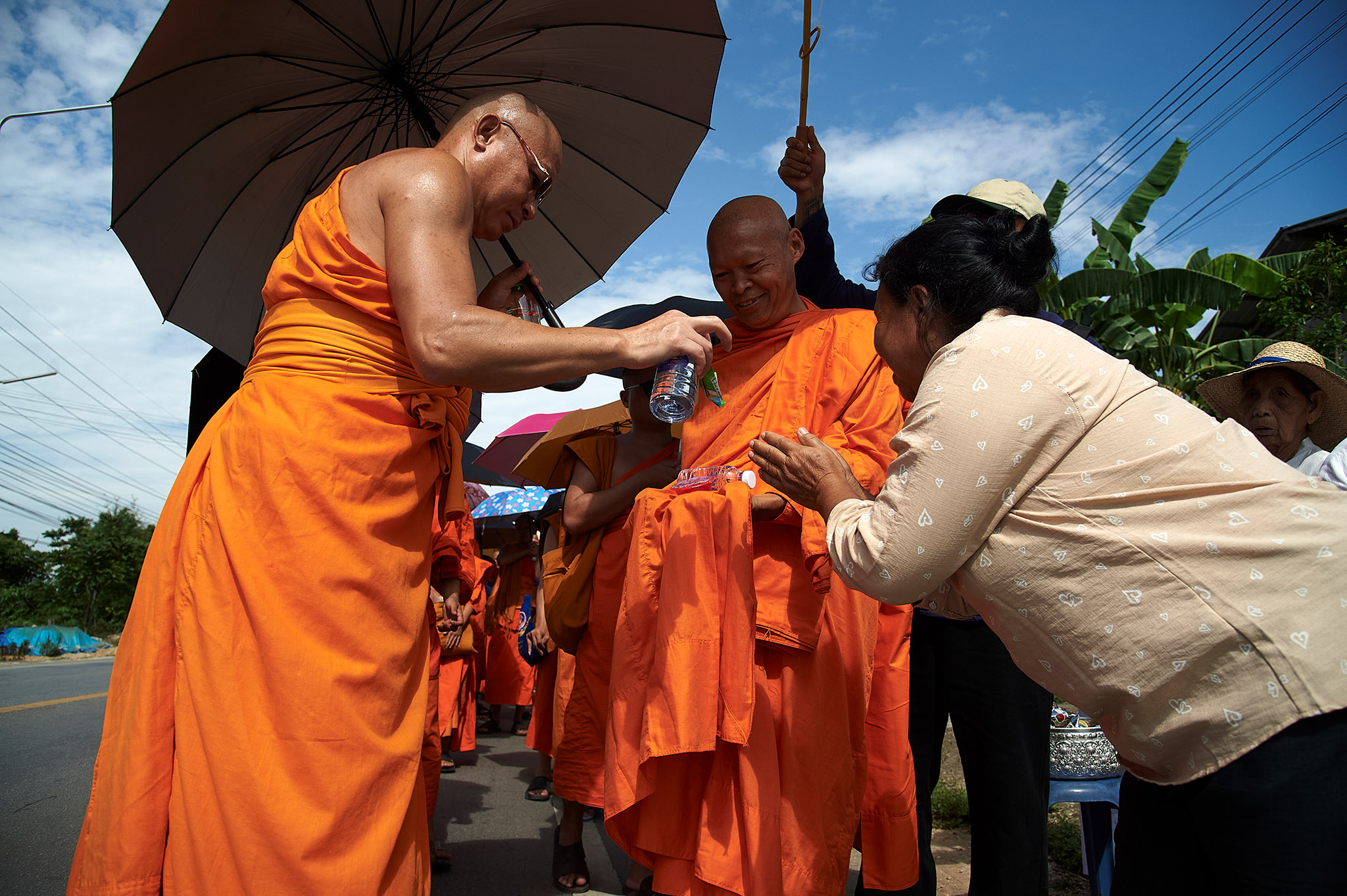
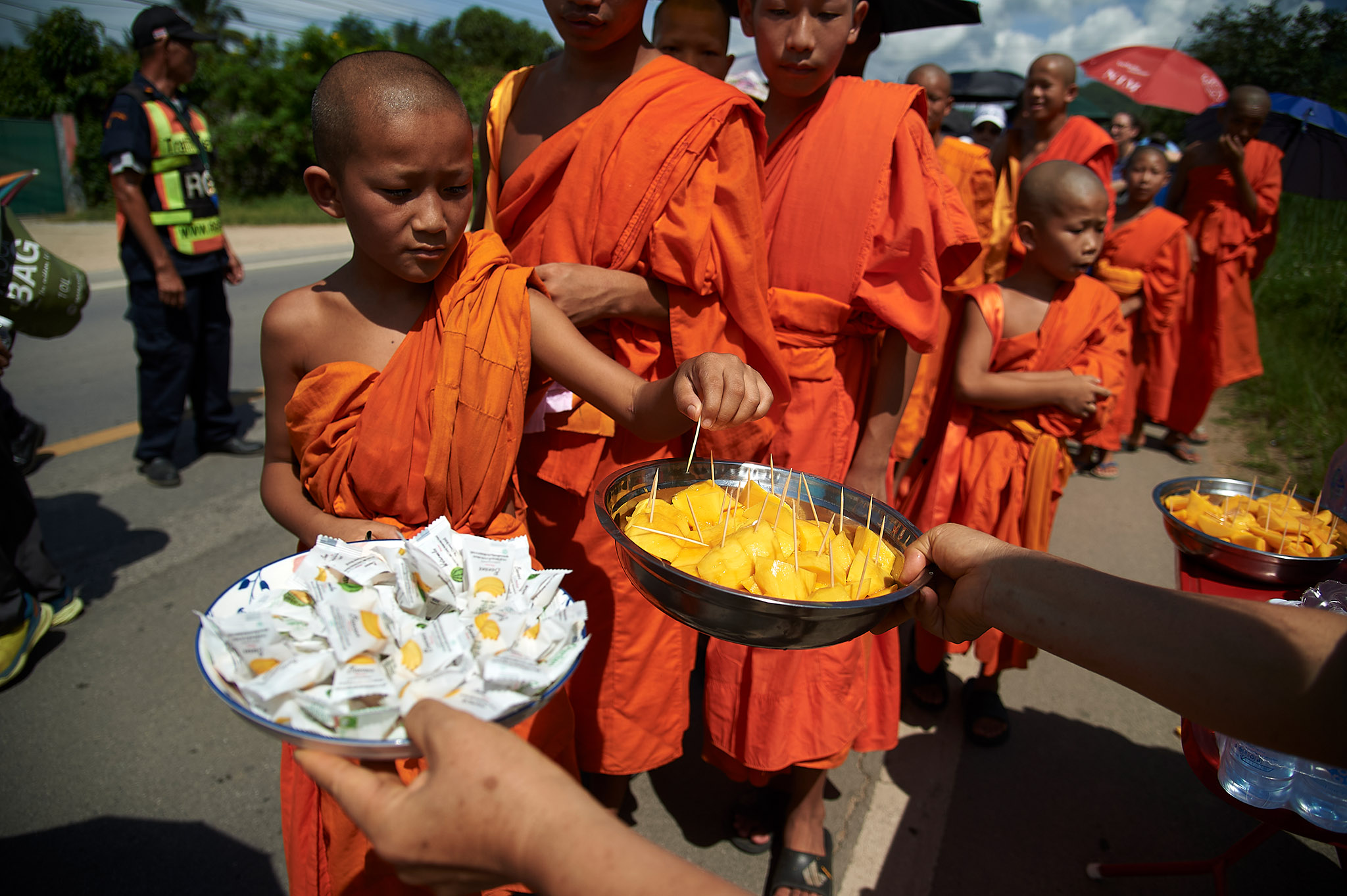
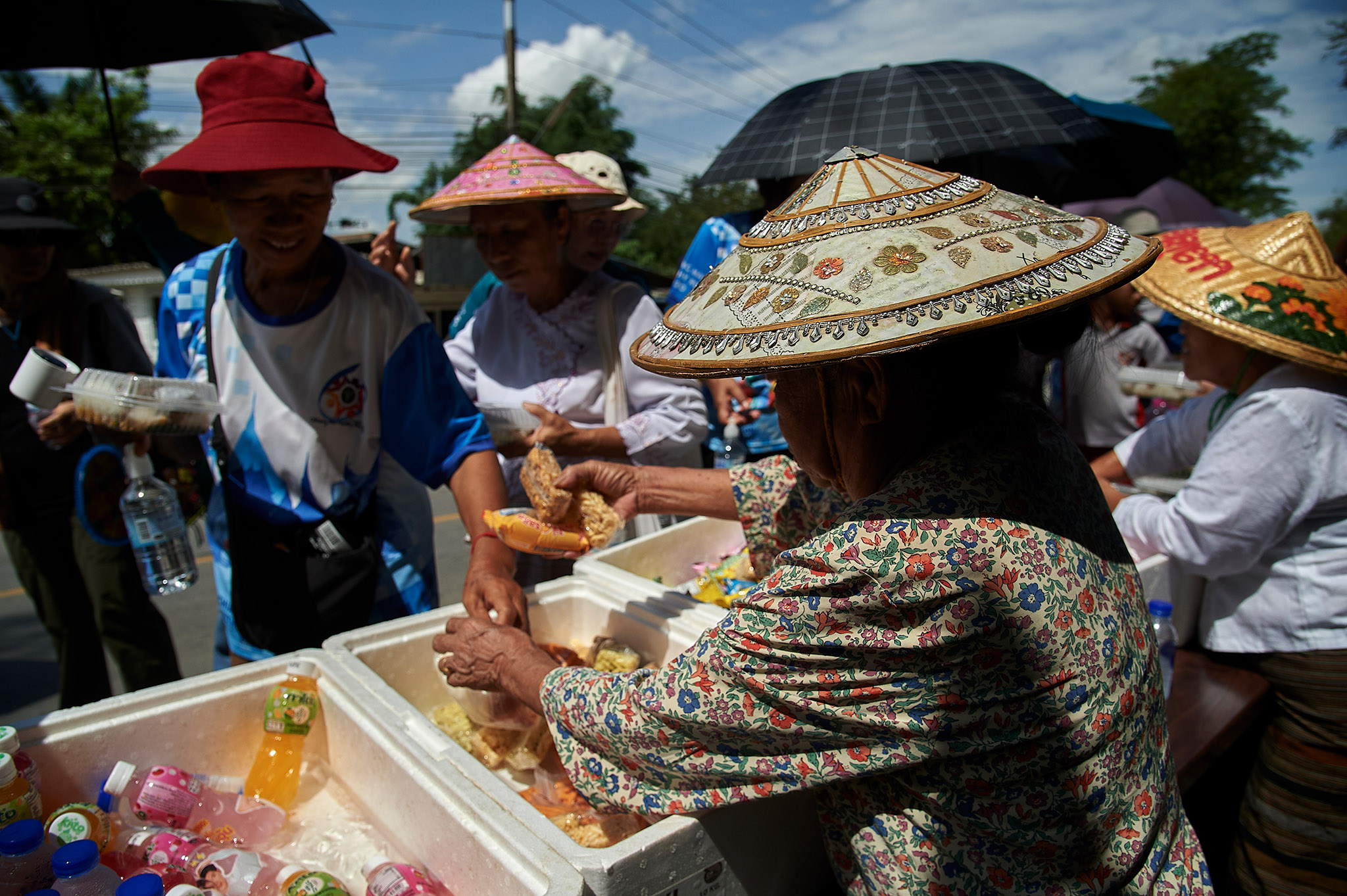
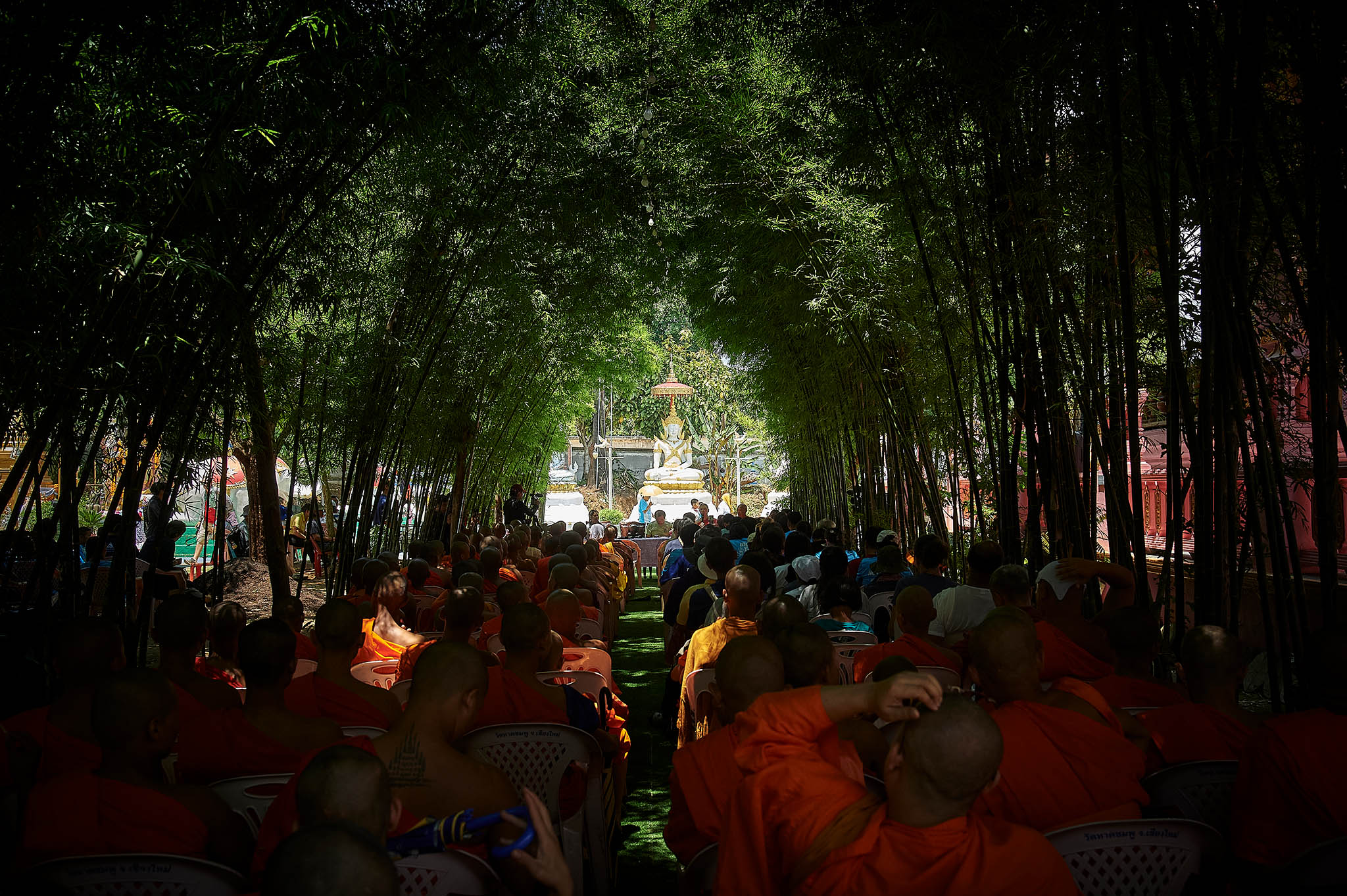
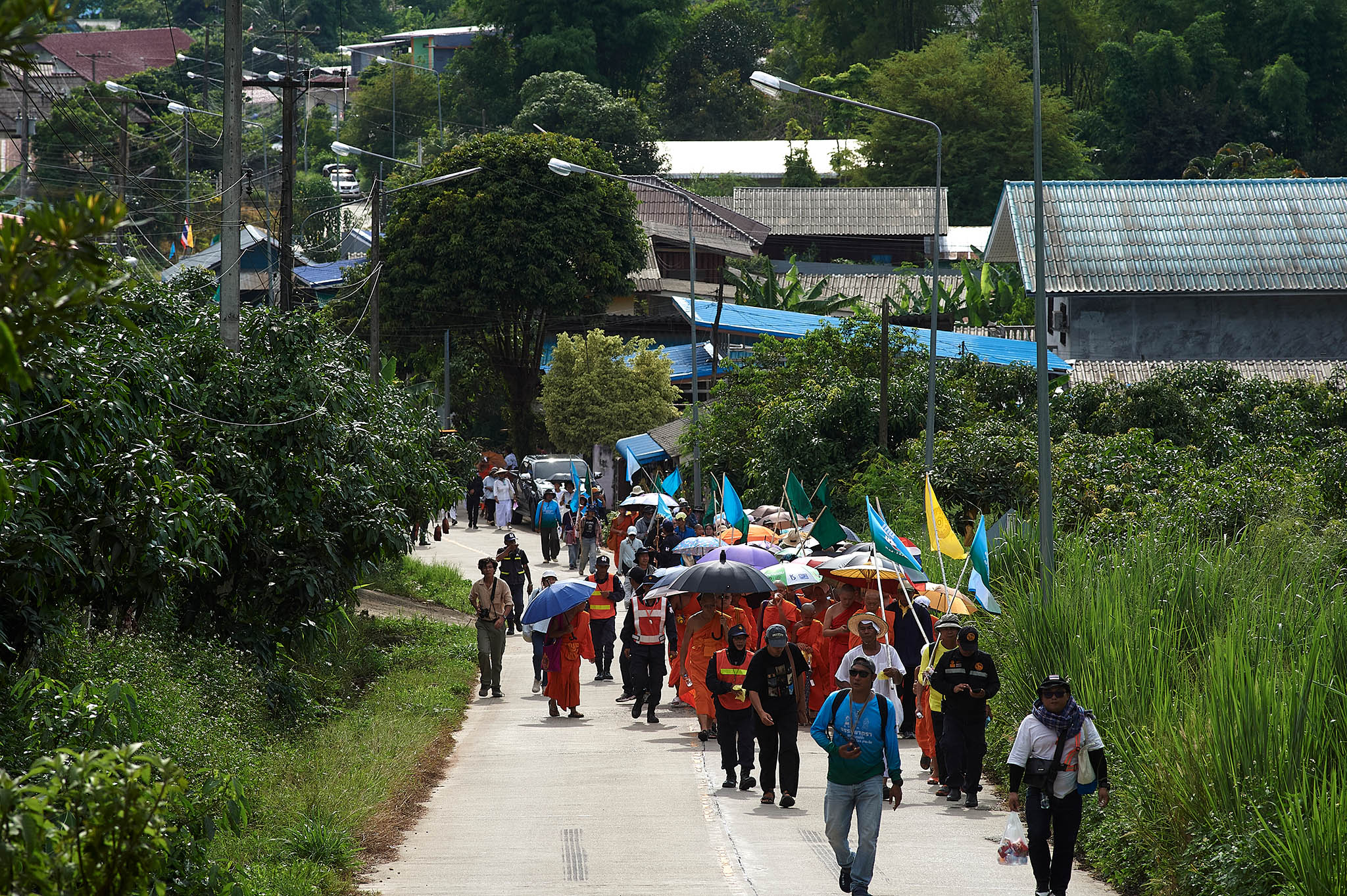
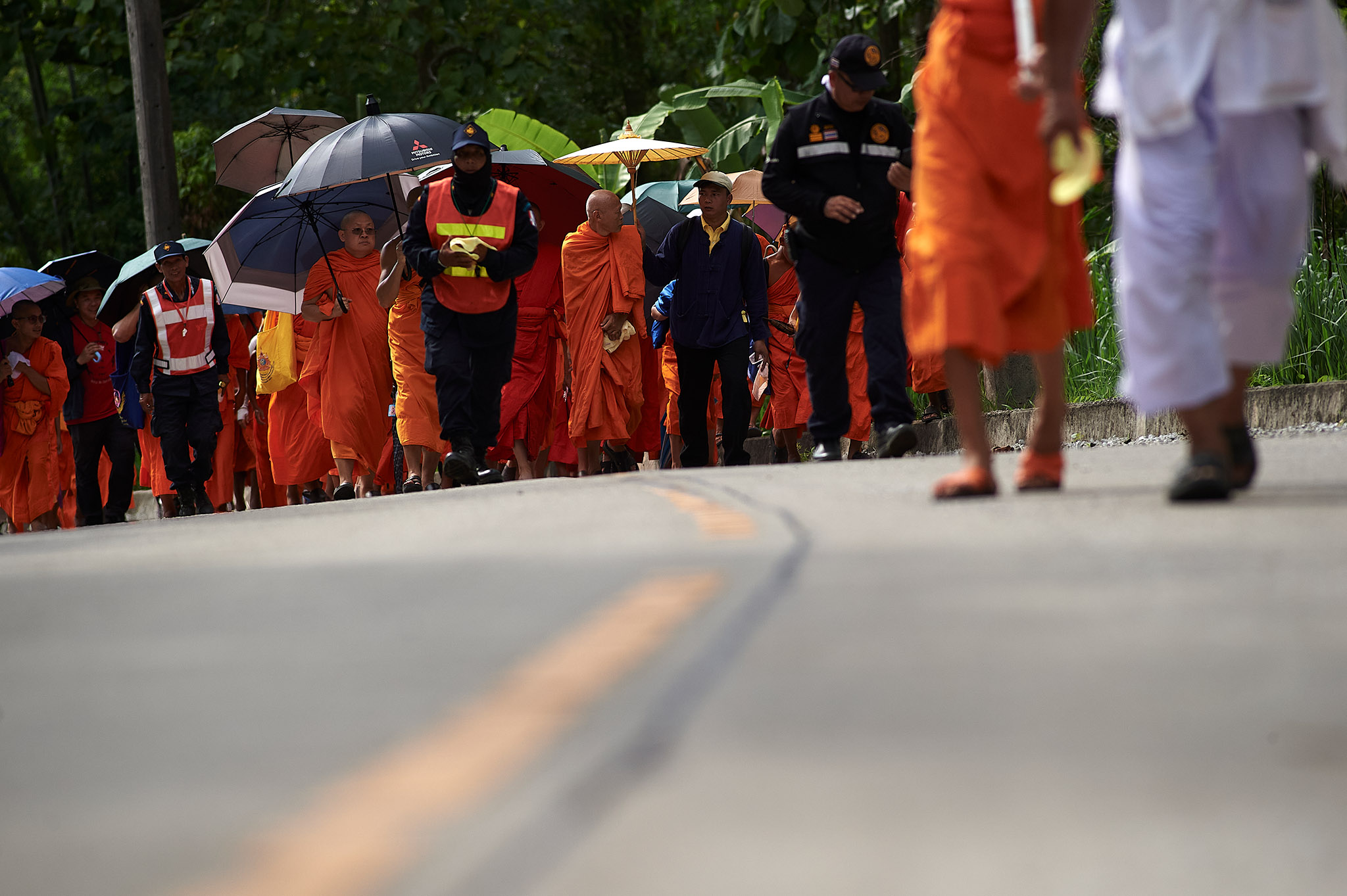
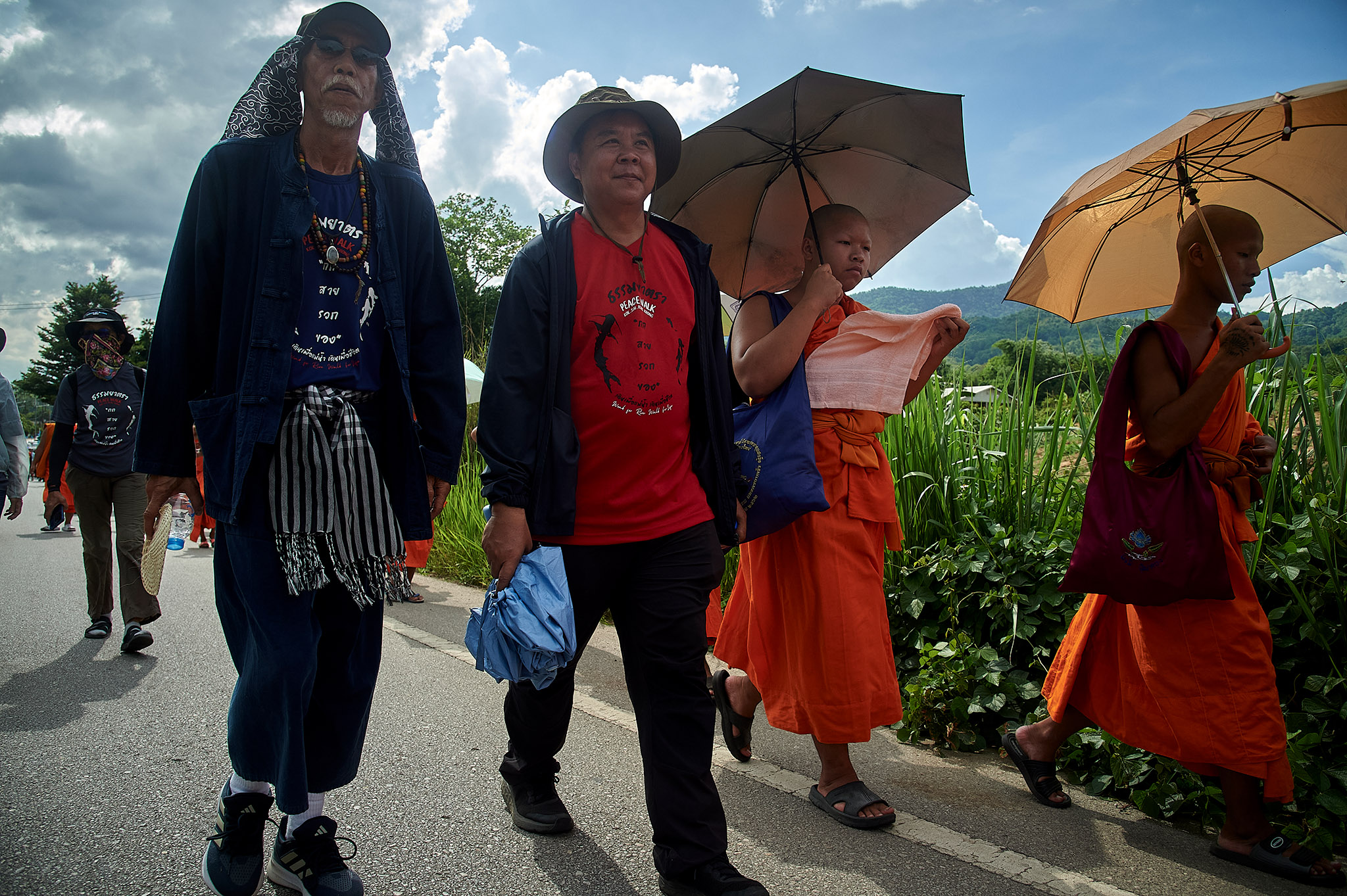
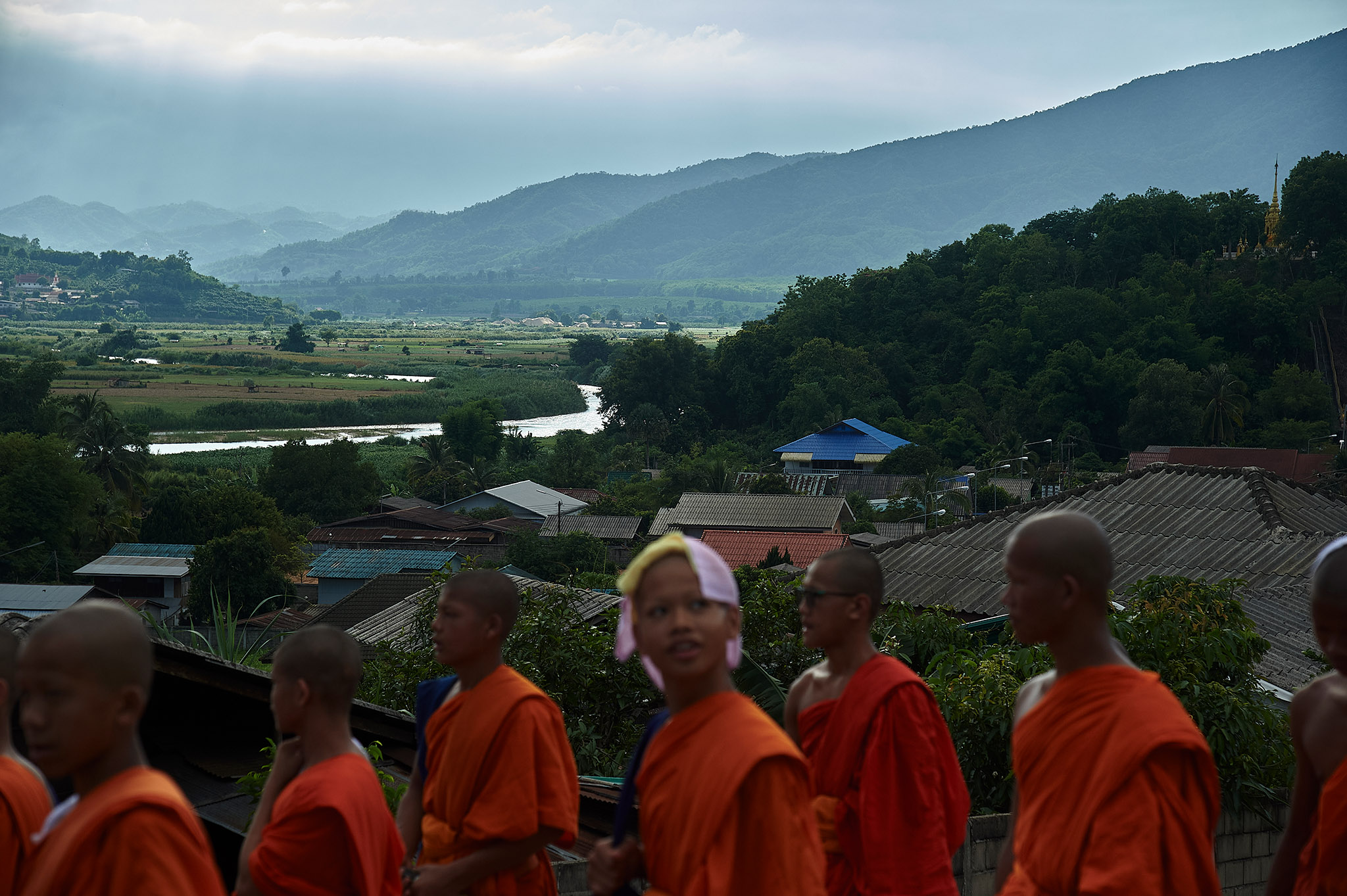
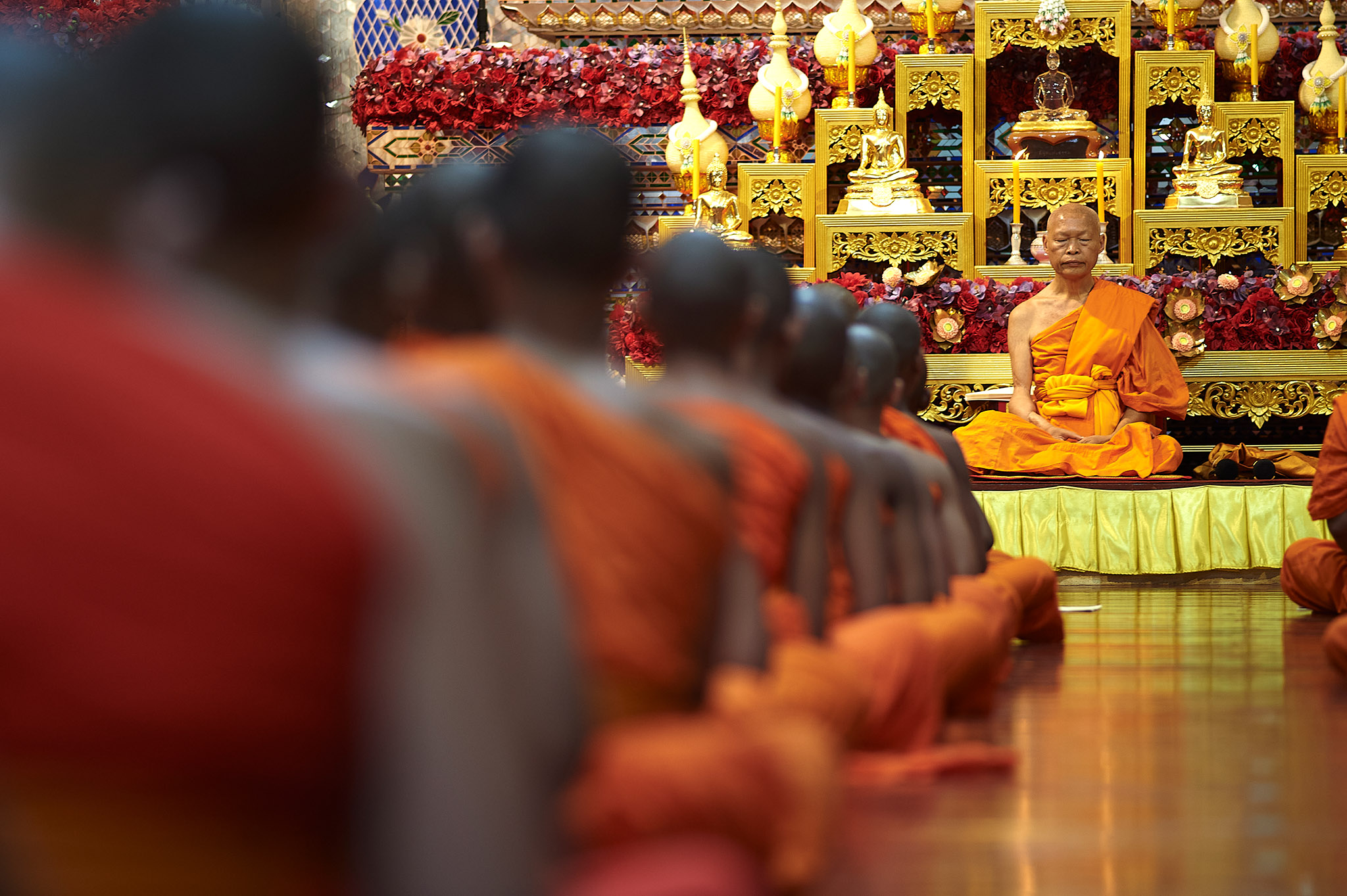
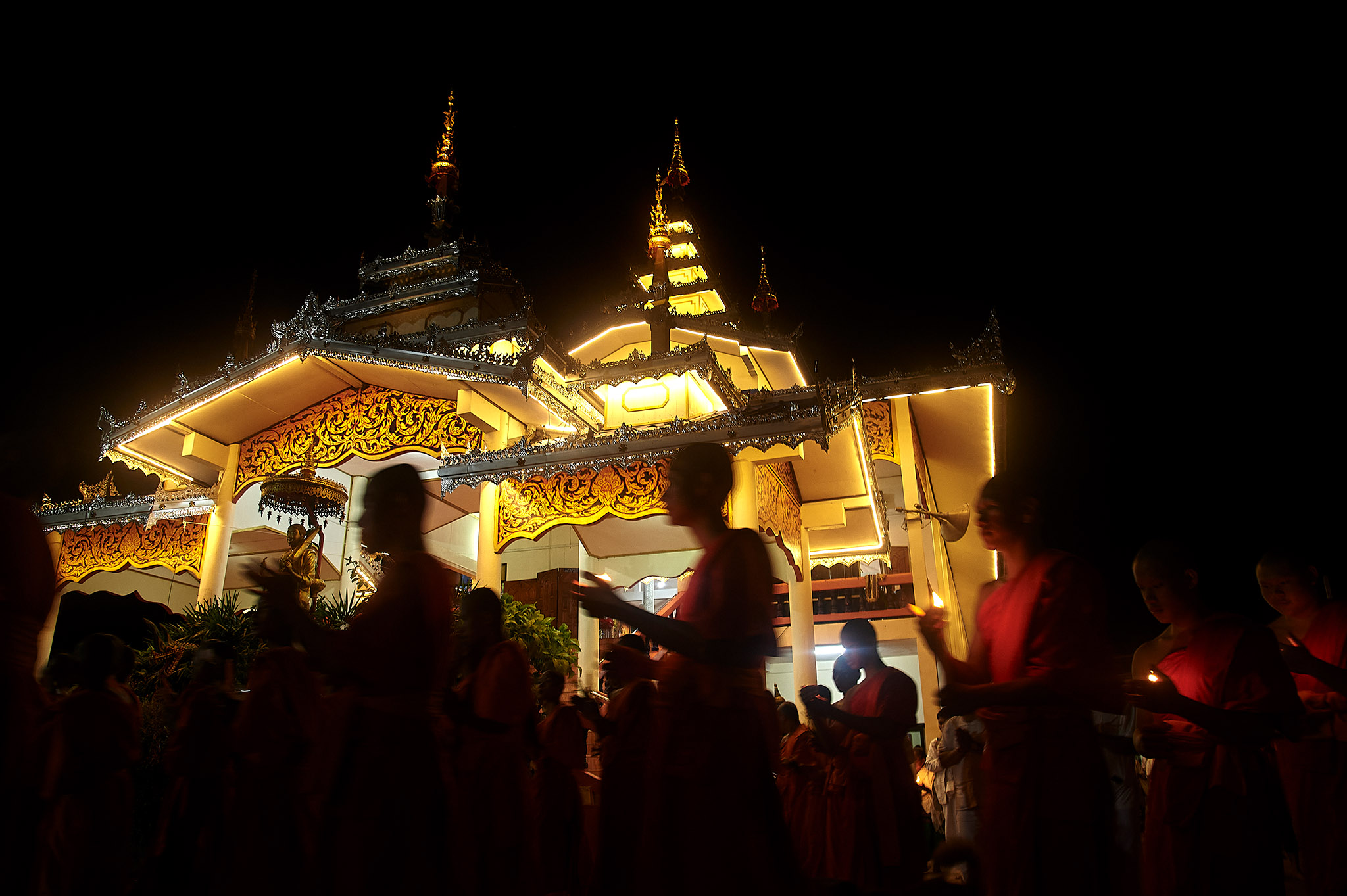
Shortly after leading a group of more than 50 novices in prayer before a Buddha statue at Phawana Nimitra Temple, where he serves as abbot, the revered monk and his novices left the temple to join a crowd in Tha Ton Subdistrict of Mae Ai District, Chiang Mai, near the Myanmar border. On Visakha Bucha Day, they led the area’s first-ever Dhamma Yatra — a peaceful pilgrimage encompassing both outer and inner spiritual journeys guided by Buddhist teachings.
“Dhamma Yatra means a walk with Dhamma. It is a form of Dhamma practice and Dhamma Puja that embodies the Buddhist principles of patience, diligence, unity, and gratitude (to nature).
“In Buddhist philosophy, Dhamma is nature and nature is Dhamma — they are one and the same truth. To walk with Dhamma on Visakha Bucha Day, therefore, is not only to pay homage to the Lord Buddha and his teachings, but also to honour nature and the environment,” said Phra Maha Nikhom.
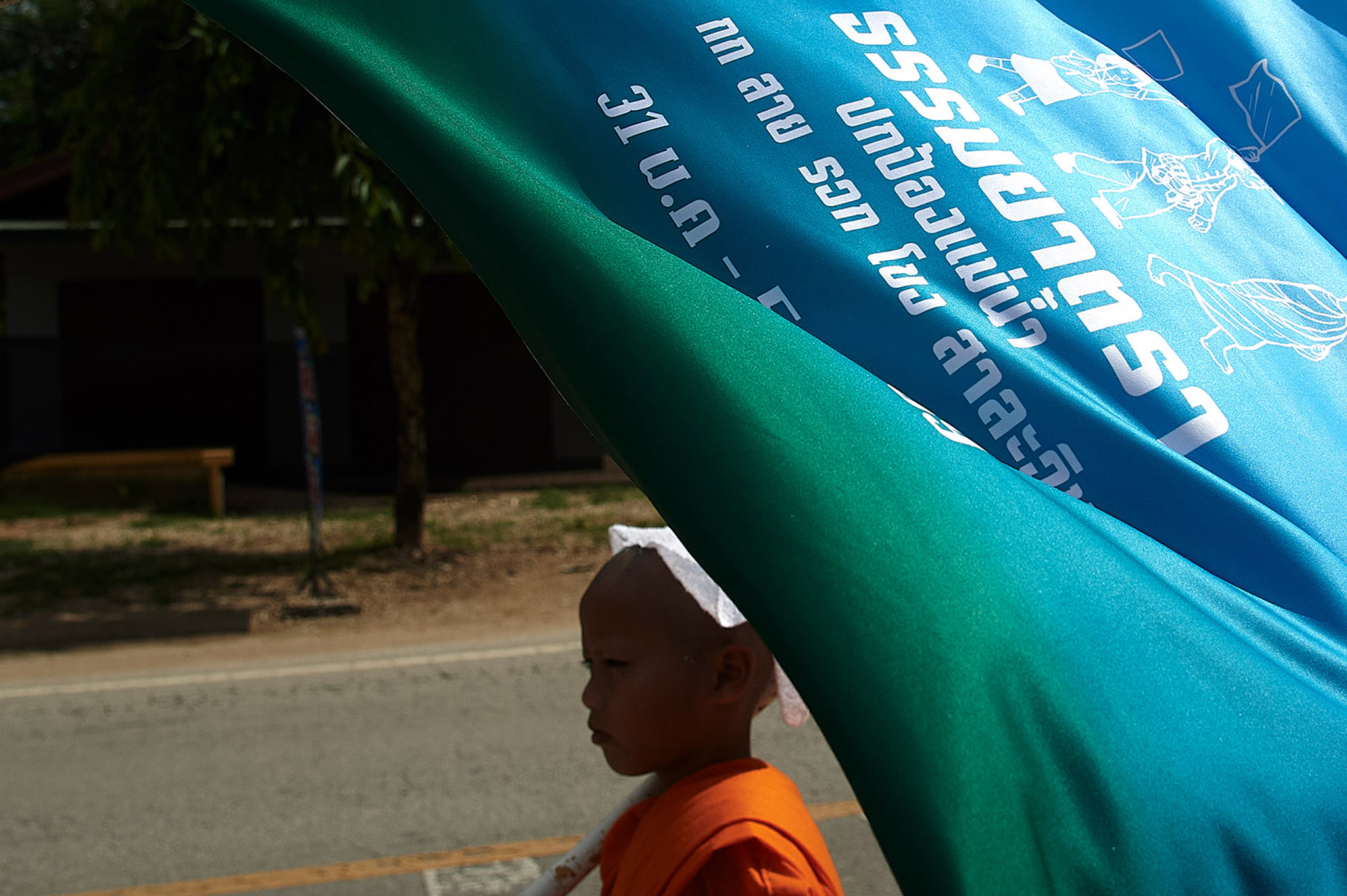
From Visakha Bucha Day on May 31 to World Environment Day on June 5, Phra Maha Nikhom will lead followers on a series of Dhamma Yatras from Chiang Mai to Chiang Rai, culminating in a long-distance peace walk covering nearly 70 kilometers in total. Organised by his followers, including the People’s Network for the Protection of the Kok, Sai, Ruak, and Mekong Rivers and its allies, the initiative places special emphasis on the plight of polluted rivers, including the Kok, Sai-Ruak, Mekong, Salween, and other rivers contaminated by toxic heavy metals due to unregulated mining in Myanmar and Lao PDR. (Read: SPECIAL REPORT SERIES: The Poisoned Rivers: From gold to rare earth, unregulated mining in Myanmar poisons the Mekong and its tributaries in Northern Thailand)
Dhamma Yatra echoes the religious pilgrimages traditionally undertaken by revered monks seeking solitude and deeper Dhamma practice. Yet this spiritual journey also addresses social and environmental causes and concerns, reflecting the Buddhist understanding that human well-being is inseparable from the health of the natural world.
The practice gained popularity during the 1990s, particularly in northeastern Thailand, where veteran monks led by Phra Paisal Visalo, abbot of Wat Pa Sukato in Chaiyaphum Province, organised annual Dhamma Yatra pilgrimages to highlight environmental degradation and raise public awareness of ecological issues.
“Dhamma Yatra is not a parade, nor is it a protest. It is a peaceful, mindful walk. Dhamma Yatra means “walking with Dhamma.” But before we can walk with Dhamma — that is, walk with mindfulness, walk with goodwill towards nature and the people around us — we must first walk for the sake of Dhamma. And Dhamma in this context primarily refers to nature,” Phra Paisal once noted the meaning of Dhamma Yatra in his educational blog.
Phra Maha Nikhom’s Dhamma Yatra is no different. It also aims to raise public awareness of this transboundary river pollution and foster unity among concerned parties to address a shared challenge.
Phra Maha Nikhom said Dhamma Yatra also seeks to promote the well-being of society. Rivers, he said, are the source of life on Earth and sustain all communities. Today, the Kok, Sai-Ruak, Mekong, and Salween rivers are facing a severe pollution crisis that is spreading beyond local communities such as Tha Ton to other provinces and across national borders.
Walking with Dhamma, or undertaking a Dhamma Yatra, may seem like a simple act, but the feet, he noted, are not as insignificant as many people think. They can lead people toward higher levels of spiritual awareness through an inner journey, thereby elevating their consciousness and moral values.
“That is why I would like to invite everyone — ordinary people, organisations, governments — to walk with Dhamma alongside me, so that together we may find a way out of this crisis and help restore the health of our rivers and communities,” said Phra Maha Nikhom.
Check for more information about the activity @https://www.facebook.com/share/p/1DEYqZv5Ac/
Read more reports @bkktribune.com


Indie • in-depth online news agency
to “bridge the gap” and “connect the dots” with critical and constructive minds on development and environmental policies in Thailand and the Mekong region; to deliver meaningful messages and create the big picture critical to public understanding and decision-making, thus truly being the public’s critical voice