
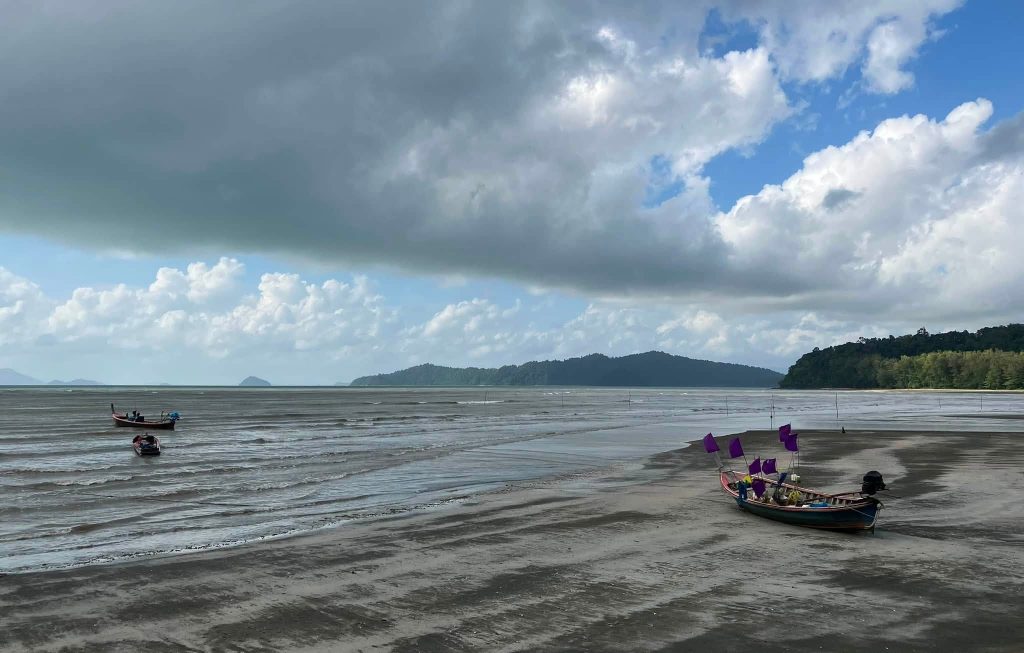
The project can be revived when the timing is right and geopolitical conditions are favourable, says PM Anutin
PM Anutin Charnvirakul reversed course on the project yesterday after his deputy prime minister publicly announced on Friday that the project would be cancelled.
PM Anutin said the Land Bridge project has not been scrapped. However, based on the current circumstances, the so-called “Missing Link” project would instead be implemented more quickly. The Land Bridge project could be revived when the timing is right and geopolitical conditions are favourable, the prime minister said.
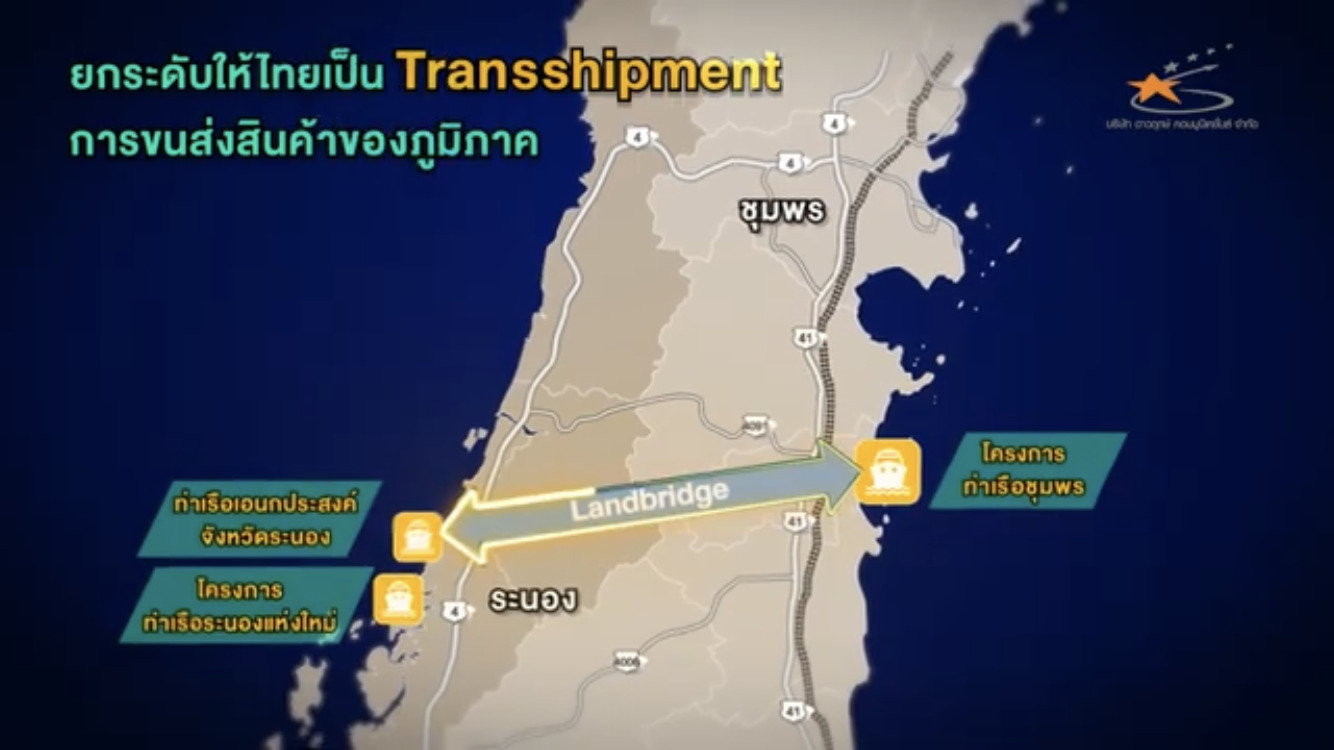
PM Anutin said he has not yet discussed the matter with Deputy Prime Minister Ekniti Nitithanprapas regarding the panel chaired by Mr. Ekniti to review the Land Bridge project, as appointed by the government. He added that the designated ports on both sides of the route still require further study, including whether the existing ports, such as Ranong Port, should be upgraded or whether new ports need to be constructed.
PM Anutin highlighted the area’s potential, saying many more projects could be developed there, including the Missing Link. He said the Missing Link project could facilitate railway connectivity between the two oceans, helping connect the western region to the rest of the country while supporting transport and trade.
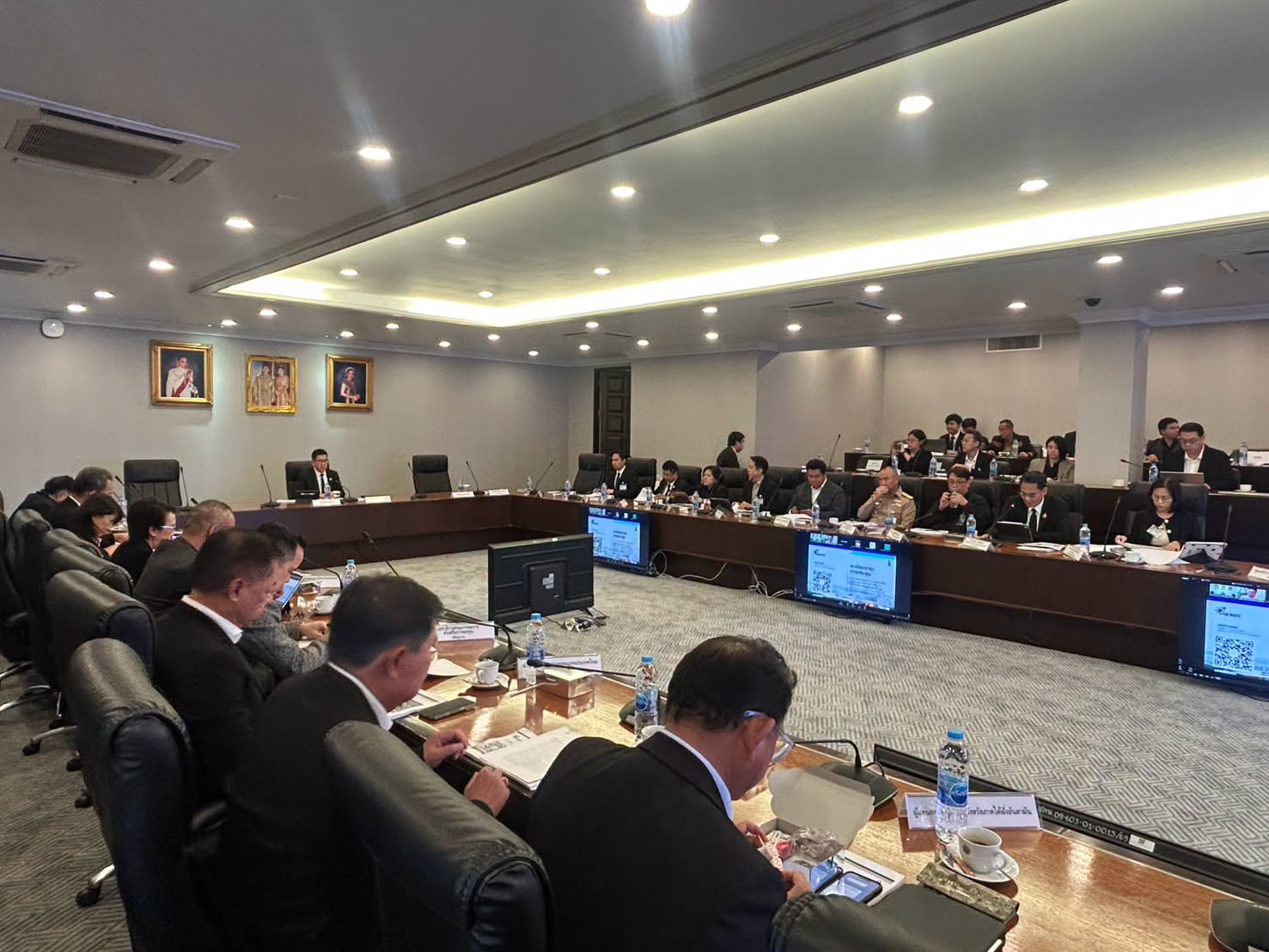
Ekniti panel’s decision
Appointed in May and given three months to complete the study, the panel chaired by Mr. Ekniti decided on Friday to release its findings ahead of the August deadline. Led by Mr. Ekniti, the panel held a press conference to announce that the Land Bridge project is not economically feasible, carries significant environmental risks, and remains divisive within society.
Mr. Ekniti said that, following the Prime Minister’s directive, the study was completed ahead of the 90-day deadline. Three sub-panels examined three key aspects: economic and investment feasibility, environmental feasibility, and public consultation and community participation.
The panel concluded that the Land Bridge project has low economic feasibility and could impose a significant burden on the national budget while carrying considerable risks. Its review of the project’s economic and investment feasibility found that the project carries risks because developments in the Middle East have reduced global trade, meaning the previously projected positive return on investment could become negative, posing a significant economic risk.
The panel also identified risks related to competitiveness and management. Initially, it was expected that shipping lines would switch to using the project, but this is now considered less likely because many operators have already entered partnerships elsewhere.
Management risks were also identified, particularly regarding transport efficiency. The need for rapid cargo movement presents a significant challenge, as the project has relatively low transport efficiency. As a result, the panel concluded that the project has low commercial viability and carries high risks.
Regarding environmental concerns, Mr. Ekniti said the project poses relatively high environmental risks and requires comprehensive strategic environmental assessments. The panel also found that environmental issues — including marine ecosystems, coastal community livelihoods, food security, and protected forests — have not yet been considered in an integrated and comprehensive manner.
On public consultation, the panel found that differing views remain. While some groups, including the private sector and manufacturing industries, support the project, the majority remain concerned or undecided. Their key concerns include environmental impacts and transparency. Opponents include marine conservation groups. The panel therefore recommended that, should the project proceed in the future, measures be taken to build public trust and address misinformation.
Mr Ekniti said the panel ultimately concluded that the project has low economic feasibility, carries a high risk of negative impacts, and continues to face differing views within society.
However, he noted that the private sector still requires access to the Andaman Sea through Ranong Port. Therefore, consideration should be given to improving Ranong Port to maximise its potential, including developing a railway connection and the so-called “Missing Link” rail system, which could provide opportunities to connect northern Thailand with China while also linking to ports on the eastern coast.
The panel also recommended that future large-scale infrastructure investments should begin with a clear national strategy before individual agencies undertake project studies. It said the review highlighted the importance of conducting strategic environmental assessments and incorporating lessons learned from public consultations.
When asked by reporters whether the Land Bridge project had been scrapped, Mr Ekniti replied, “You could say that.”
Mr. Ekniti said the panel had held its final meeting and would submit its summary report to the Prime Minister. If approved, the report would then be forwarded to the Cabinet in accordance with the order establishing the panel.
l Credit: OTP
Land Bridge project
The Land Bridge project was first approved in principle by the Prayut Chan-o-cha administration on August 21, 2018, as part of the government’s strategy to develop transport infrastructure in the South. It was aimed at enhancing transport logistics between the Gulf of Thailand and the Andaman Sea by capitalising on Thailand’s access to the Indian and Pacific Oceans, while promoting economic growth in the provinces of Chumphon, Ranong, Surat Thani and Nakhon Si Thammarat, which are designated as part of the Southern Economic Corridor (SEC).
Since then, the Ministry of Transport and its Office of Transport and Traffic Policy and Planning (OTP) have conducted feasibility studies and developed plans, including a new business development model for the project, known simply as the Land Bridge.
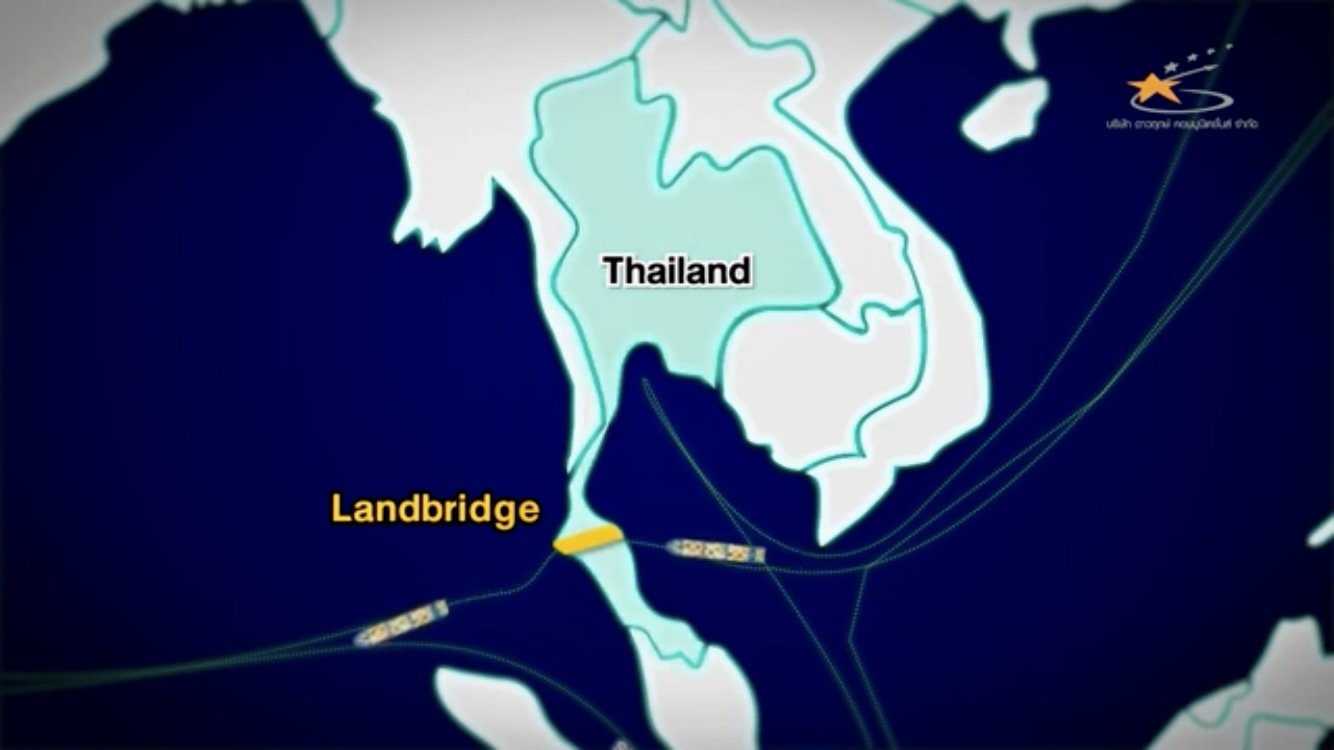
The OTP explained that Thailand’s strategic geographical location could be developed into a gateway for imports and exports, facilitate transhipment between the Indian and Pacific Oceans through integrated rail and road networks, and support a port industry capable of attracting foreign investment for industrial development in the South. The project would also seek to position itself as an alternative route for shipping companies wishing to avoid congestion in the Strait of Malacca, through which it claims would become congested with more than 85,000 vessels passing each year.
Under the plan, it included the construction of two deep-sea ports in Ranong and Chumphon, a network of double-track railways and motorways, and supporting infrastructure. The development of new industrial estates had also been proposed, with limited details available. The two deep-sea ports would be built at Laem Ao Ang in Ranong and Laem Riew in Lang Suan district of Chumphon. Separated by about 89.35 kilometres, the ports would be linked by elevated motorways and railways, as well as pipeline systems and service roads.
The Srettha government in late 2023 placed the project high on its agenda, promoting it as a new engine of economic growth and touting it to potential investors at major international events, including APEC and the World Economic Forum. The renewed push came as the government’s flagship 500-billion-baht Digital Wallet programme faced repeated delays.
The Land Bridge project was not included in the government’s policy statement delivered to Parliament upon taking office, although it pledged to develop transport infrastructure and economic corridors. It was not until mid-October 2023 that the cabinet approved the project in principle and instructed the Ministry of Transport to gauge investor interest through international roadshows before inviting private-sector participation through a request for proposals (RFP) process.
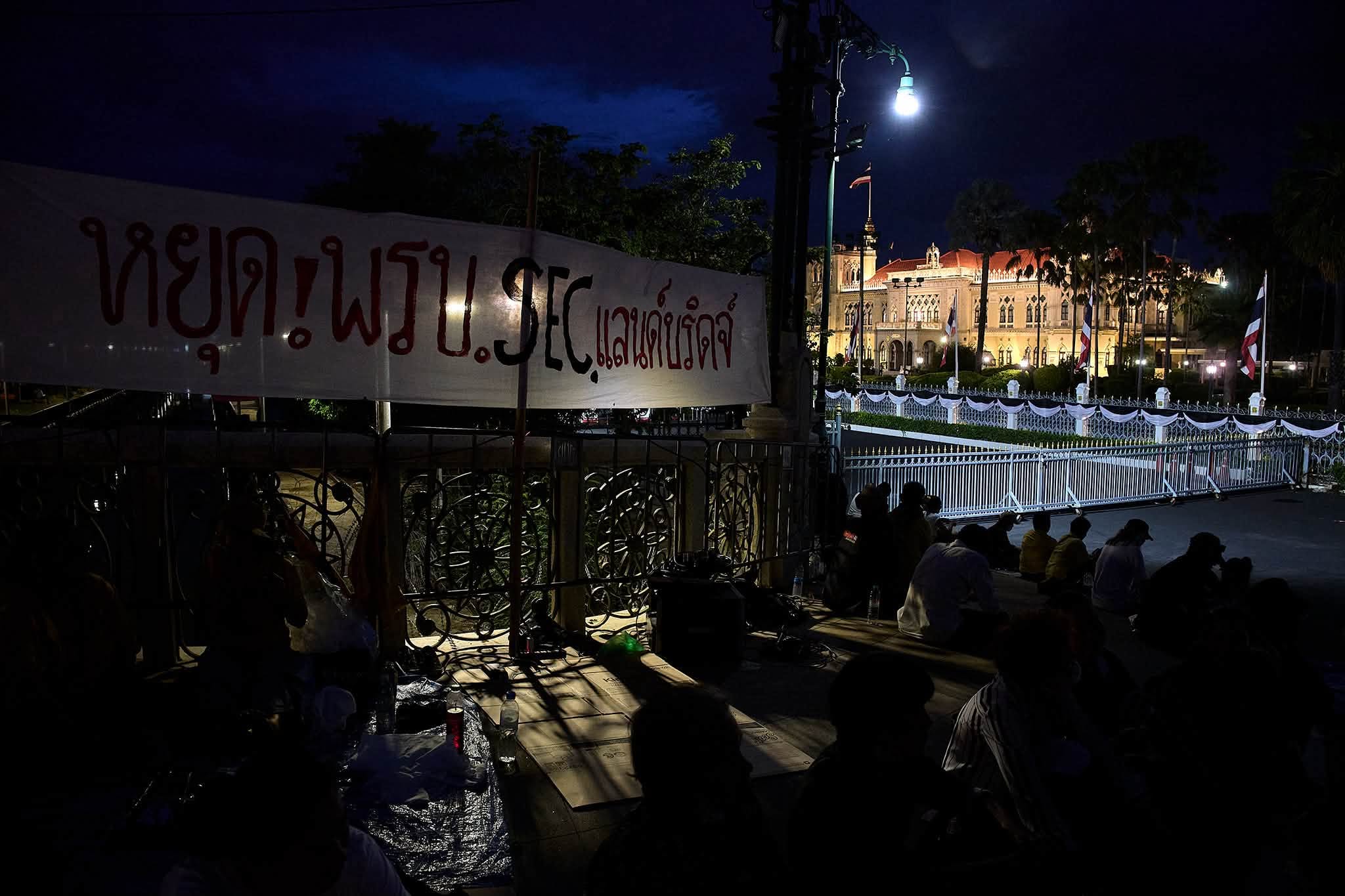
Since then, strong opposition to the project and the Southern Economic Corridor (SEC) has grown among local residents and civil society groups. The latest protest took the form of a civil disobedience campaign outside Government House from June 22 to 30, ending only after the protesters signed a memorandum of agreement (MoA) with the transport minister, who pledged not to pursue the project.
After hearing the Prime Minister’s renewed push for the project, the groups have renewed their campaign and announced that they will mobilise supporters to travel to Bangkok on Aug 4 to protest the project. (Read: Draft SEC Act axed after facing “civil disobedience” outside Government House)
The Missing Link
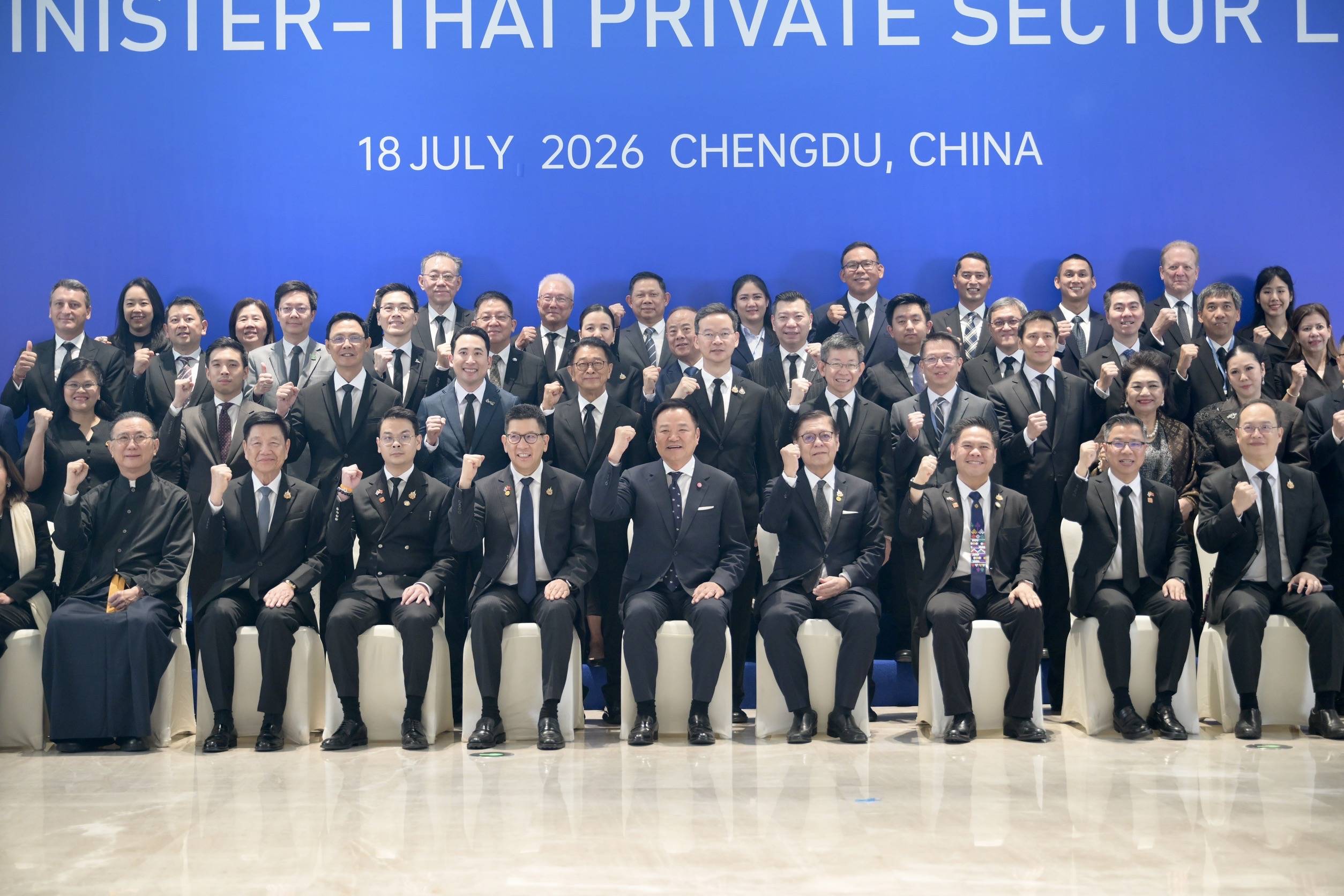
So far, PM Anutin has not elaborated on his idea about the Missing Link project to the public. However, according to news reports by media outlets that accompanied the Thai delegation during its official visit to China, PM Anutin made remarks about the project during a luncheon in Chengdu, where he exchanged views with more than 150 Thai private-sector executives.
The Prime Minister was quoted as saying by Bangkok Biz News that he had invited them to look ahead with confidence in the country’s geographical position. “Let us look ahead with confidence. We are in the centre of ASEAN. We can go north, south, right, or left,” he said.
The Prime Minister told the executives that some people had expressed concerns when the government was planning the Land Bridge project, questioning where the funding for the investment would come from.
PM Anutin further said he had met representatives from the Federation of Thai Industries, the Thai Chamber of Commerce, and the Thai Bankers’ Association. They told him there was no need to pursue the Land Bridge project at this stage. Instead, the government should focus on connecting routes that remain disconnected, particularly railway lines linking the western region with the East and the main north-south railway network.
Together with upgrades to ports on the western and eastern coasts of southern Thailand, these measures should be sufficient to meet the country’s investment needs over the next five to 10 years, he was told.
The Prime Minister said the government had listened to these recommendations and considered them a way forward. If it continued pushing the Land Bridge project, it would still take three to five years to begin implementation, even without opposition. However, upgrading ports and connecting missing railway and road links could be done immediately.
“These were what we heard from the private sector — that this would be sufficient,” the Prime Minister told the executives at the luncheon.
“When the government was in talks with various countries, they saw Thailand as having well-developed infrastructure. Please be assured that this government will do everything — not just to facilitate, but to provide pathways for you to achieve your goals, enabling investment and business expansion to the highest level, proving that you are second to none.”
PM Anutin later told reporters in an interview that the Land Bridge project remained part of the government’s policy agenda and required further study.
However, he said the current priority was to accelerate the connection of disconnected transport infrastructure, which he referred to as the “Missing Link”, including railway systems. He said Thailand’s location at the heart of ASEAN made it the only country capable of connecting with neighbouring countries by both land and sea.
Asked whether the government would proceed with the western port first, the Prime Minister said it would begin by upgrading the seaport on the western coast of Ranong province, along with other land logistics systems, to connect with Chumphon province and neighbouring countries.
He also said the Ministry of Transport was studying the project in parallel to assess its cost-effectiveness and appropriate investment timeline, with the aim of maximising benefits for the country.
Read more special reports @bkktribune.com

Indie • in-depth online news agency
to “bridge the gap” and “connect the dots” with critical and constructive minds on development and environmental policies in Thailand and the Mekong region; to deliver meaningful messages and create the big picture critical to public understanding and decision-making, thus truly being the public’s critical voice