
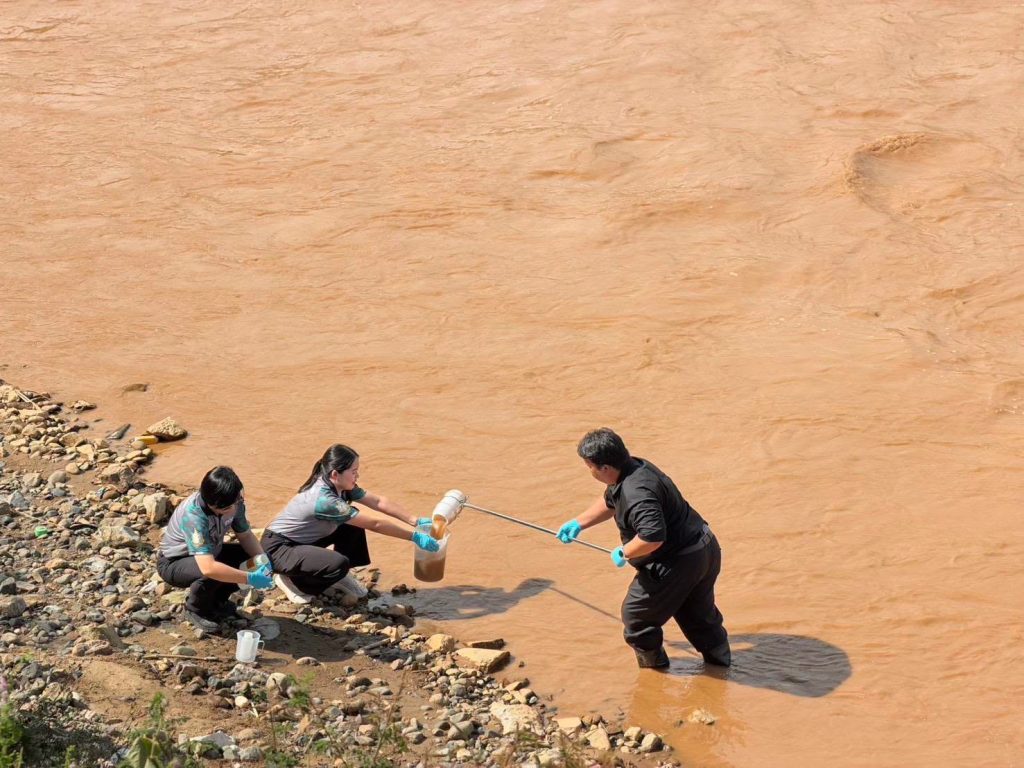
The official visit to Myanmar by Thailand’s Minister of Foreign Affairs, H.E. Sihasak Phuangketkeow, saw a commitment made by Thailand and Myanmar to address the transboundary toxic river pollution together. Meanwhile, critics are urging Thailand and China to also work together on the issue during the Chinese premier’s visit on November 13-15
Deputy Prime Minister and Minister of Foreign Affairs H.E. Mr. Sihasak Phuangketkeow made an official visit yesterday to the Republic of the Union of Myanmar yesterday, where he met Myanmar’s President, Senior General Min Aung Hlaing, and other senior officials including Union Minister for Foreign Affairs Tin Maung Swe, Union Minister for Defence and Chairman of the National Solidarity and Peacemaking Negotiation Committee, Lieutenant General Yar Pyae.
Accompanying him were the Secretary-General of the National Security Council, Deputy Chief of Defence Forces, Commander of Army Region 3, and high-level officials from the Ministry of Foreign Affairs, reflecting the importance that the Thai Government attaches to relations with Myanmar as close neighbours, the Ministry of Foreign Affairs stated in its press release.
According to the ministry, both sides stressed the close friendship between the two countries and agreed to consult closely to address challenges on the basis of mutual trust, mutual respect and common interest.
Among the key challenges discussed was the transboundary toxic river pollution. The two sides had discussed the issue, under which the Thai side emphasised the importance of addressing transboundary pollution, particularly river pollution affecting communities in both countries.
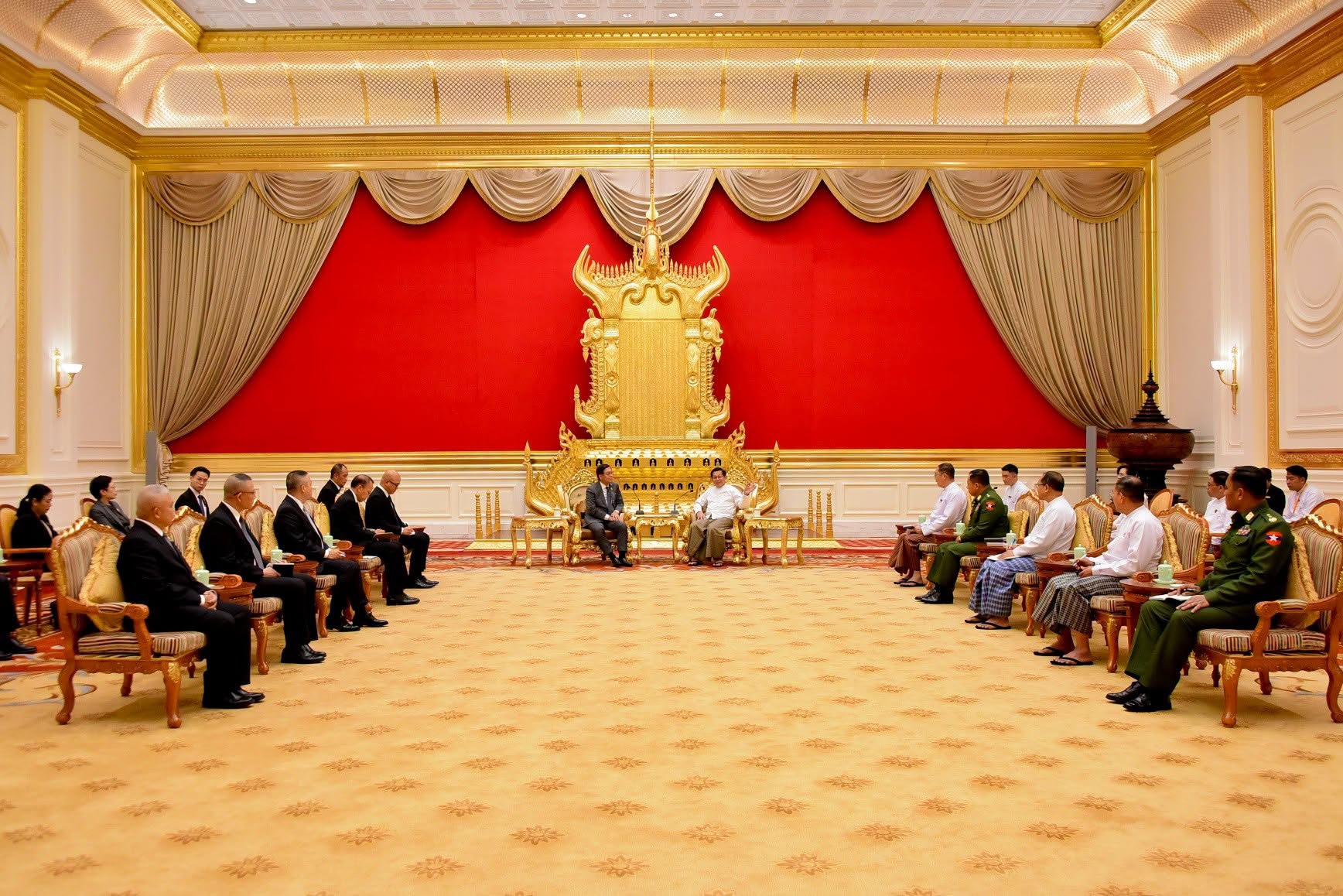
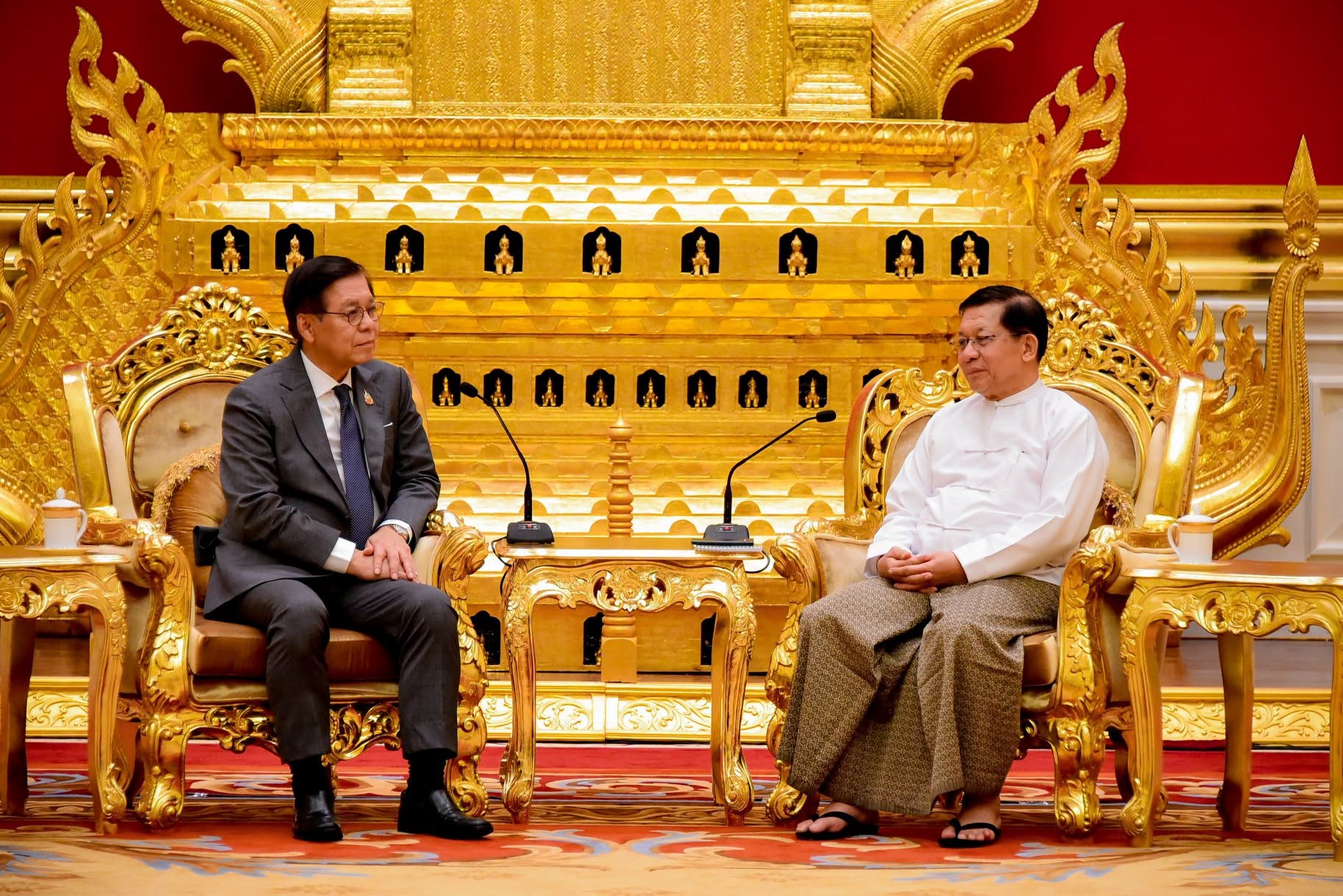
Both sides agreed to convene the Joint Working Group on Water Quality Management for Boundary and Transboundary Rivers as soon as possible to concretely address problems, the ministry said. High-level representatives of both countries would undertake a joint field visit to follow up on the progress, it further said. The JWG was offiicially established under the TOR signed by Thailand and Myanmar during an official visit to Thailand of Myanmar’s President in early August, but no official meetings have been convened since.
Aside from this issue, both countries had underscored the importance of promoting security and stability along the Thailand–Myanmar border, and the Thai side stressed the need to ensure the safety of the Thai people living along the border and called on Myanmar to exercise utmost caution to prevent impacts on the people living on the Thai side of the border. The recent attacks near the border in the North have spilt over into Thai territory and caused property damage in certain areas. Both sides agreed to increase cooperation to combat illicit drugs and online scams, in addition.
They also discussed ways to enhance economic cooperation, particularly trade and border trade facilitation, labour management, energy security. Relevant agencies would coordinate closely to address problems and deliver concrete outcomes, the ministry added.
The Thai side reaffirmed its support for Myanmar’s peace process and Myanmar’s constructive engagement with ASEAN and the international community. It also encouraged Myanmar to continue to make positive developments, in particular steps to reduce violence, especially impacts on civilians, and expanding humanitarian access to those in need, according to the ministry.
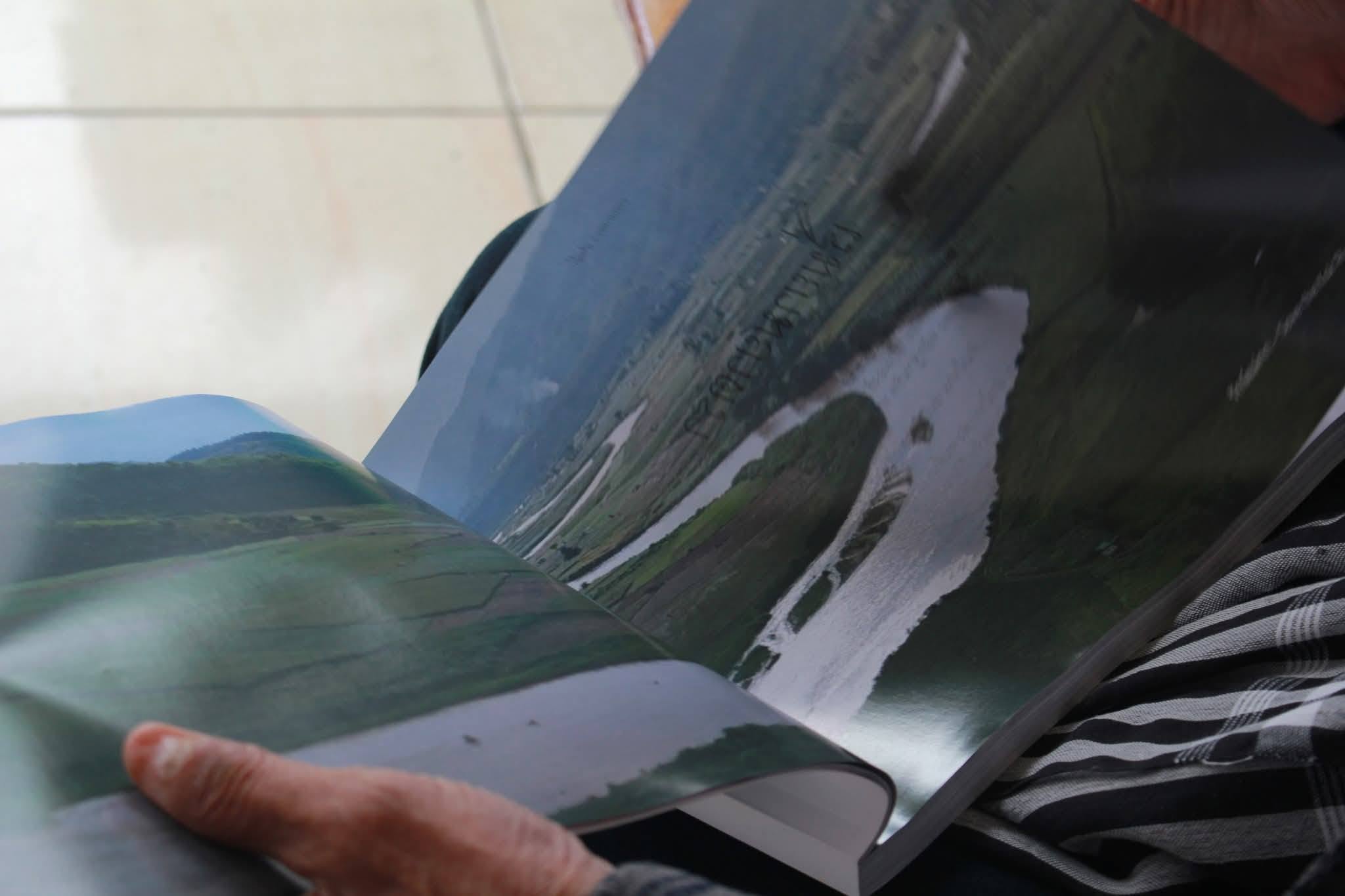
Chinese Premier’s visit
Meanwhile, China’s Premier, H.E. Mr. Li Qiang, is scheduled to pay an official visit to Thailand as a guest of the Thai Government from November 13–15. According to the government, a visit marks the first official visit to Thailand by a Chinese Prime Minister in seven years, following the last one in 2019 by former Chinese Premier Li Keqiang.
The visit will be an important opportunity to build upon the outcomes of the Prime Minister’s visit to China in July, and further advance the Thailand-China Comprehensive Strategic Cooperative Partnership at both the bilateral and regional levels, the government’s spokesperson noted.
On this occasion, the two Prime Ministers will sign a number of Memorandum of Understanding (MOUs) which covers several areas, including security, agriculture, vocational education, the automotive industry, and the environment.
They will also exchange views on areas of mutual interest, including high-level exchanges, cybersecurity and online crime, trade, investment and finance, digital economy, suppression of illicit business activities, promotion of tourism and people-to-people and cultural ties, sustainable environmental management, cooperation within the ASEAN and multilateral frameworks, and perspectives on regional developments.
Today, on November 13, Prime Minister Anutin Charnvirakul will officially welcome the Chinese Premier and his delegation at the Government House.
“This visit reflects the longstanding and close friendship between Thailand and China as countries that enjoy a special brotherhood, particularly through their Comprehensive Strategic Cooperative Partnership. It also represents another significant milestone in the bilateral relations that lays a strong foundation for long-term cooperation in all dimensions, and enhances the two countries’ constructive role in promoting stability and security at both the regional and global levels,” stated the government’s spokesperson Ekkapob Pienpises on Wednesday.
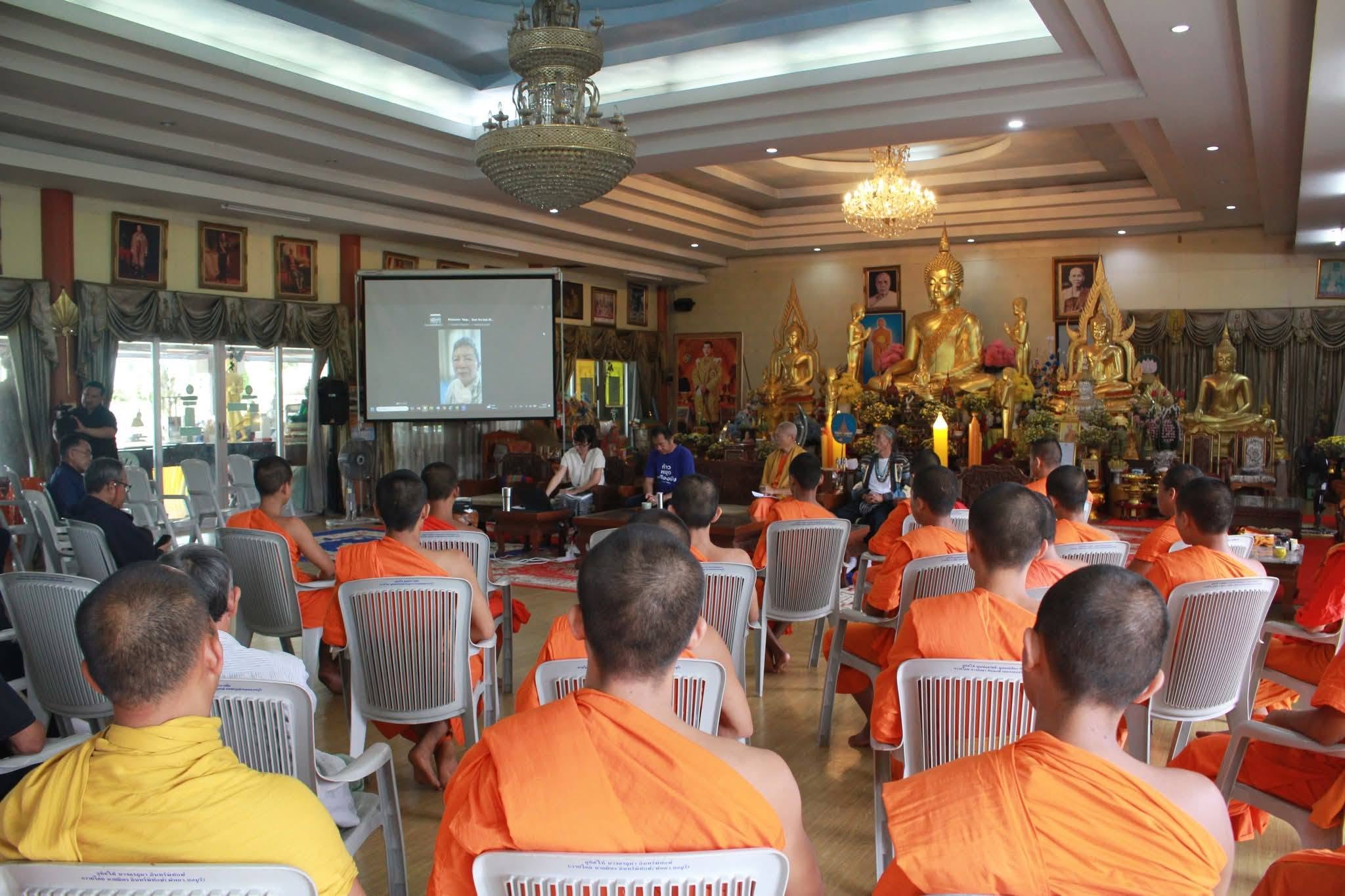
Tuenjai Deetes, former senator and founder of the Hill Area and Community Development Foundation (HADF), who has been advocating on the issue to raise public awareness along with community leaders and civil society groups, has publicly called on the Thai PM to raise the problem during the Chinese premier’s visit, saying cooperation between Thailand and China could help address the damage at its source and protect communities downstream.
The ex-senator said this visit offers an opportunity to agree on concrete steps: tracing mineral supplies, investigating sources of contamination, preventing further discharges and supporting the restoration of damaged rivers. And cooperation must also involve the relevant authorities and parties in Myanmar, as well as the communities who live with the consequences.
“I believe China can make a substantial contribution. Its commitment to an “ecological civilisation” provides a basis for extending environmental responsibility throughout the supply chains that serve its industries.
“Thailand and China have a long friendship. I hope that friendship gives us the confidence to speak frankly about the suffering of people downstream and the patience to work together on a solution,” said the ex-senator, Tuenjai.
Read more of her views @“We drink from the same river” — but is it safe?
Also read: Thailand and Myanmar sign TOR to tackle transboundary toxic river pollution amid public criticism

Indie • in-depth online news agency
to “bridge the gap” and “connect the dots” with critical and constructive minds on development and environmental policies in Thailand and the Mekong region; to deliver meaningful messages and create the big picture critical to public understanding and decision-making, thus truly being the public’s critical voice